The Ceuta migrant crossings have triggered a political fight across Europe, as Spain, Italy and others argue over migration, borders and social media.
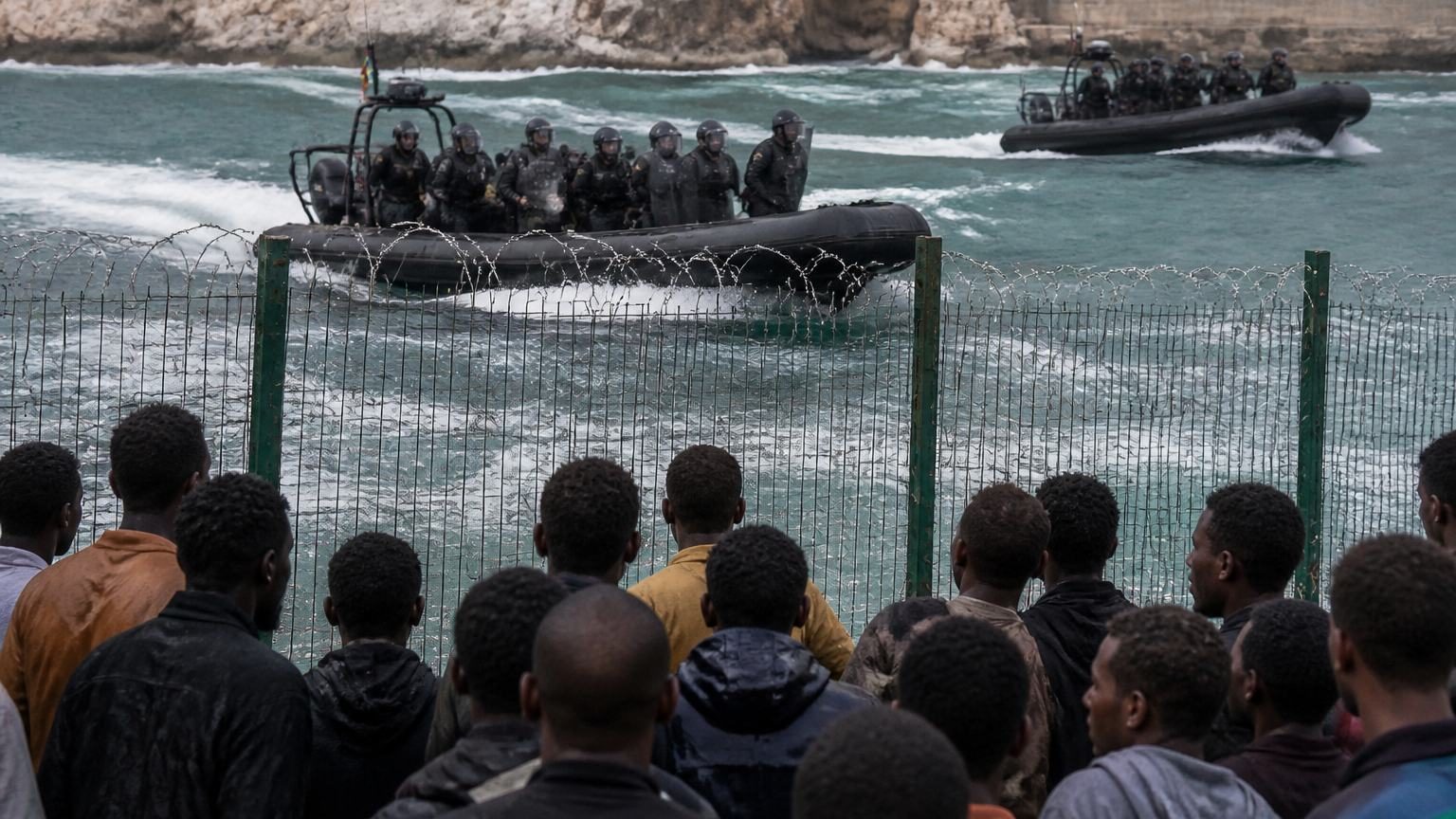
The Ceuta migrant crossings have turned into a political storm in Spain and across the European Union, after thousands of people swam into the Spanish enclave from Morocco and most were later sent back. The dramatic scene in Ceuta left at least 67 people dead, with bodies recovered from the sea, and quickly shifted into a wider argument over migration policy, border security and the power of social media.
Spanish soldiers and police escorted most of the arrivals back to the border after the surge on Thursday. Spain’s socialist prime minister, Pedro Sanchez, has accused some EU figures of attacking his country rather than backing it through the crisis. He says his government is being punished politically for how it has handled migration, while critics across Europe say Spain has sent the wrong signal.
Italy’s hard-right Fratelli d’Italia party moved fast to seize on the images from Ceuta, posting pictures of migrants running through the streets. Giorgia Meloni then said she was suspending Italy’s Schengen arrangement with Spain, citing a security threat. Spain argues that Ceuta is not inside the Schengen zone and that the arrivals were never headed for mainland Europe without further steps.
The Ceuta migrant crossings have also fed into a broader debate over whether migration to Europe is being encouraged by official policy. A call from Meloni for an urgent meeting of interior ministers on Tuesday was backed by nearly two dozen EU heads of state, who want policies they see as “pull factors” to be removed. That pressure is aimed in part at Spain’s decision to let hundreds of thousands of undocumented migrants apply for residence and work permits and regularise their status.
“The Ceuta migrant crossings have triggered a political fight across Europe, as Spain, Italy and others argue over migration, borders and social media.”
Spain says the policy is practical, not ideological. The country is ageing and needs workers. Sanchez, meanwhile, points to a recent ruling from Spain’s Supreme Court that said people who enter by sea cannot be pushed back immediately. He argues smugglers distorted that ruling to suggest an easy route into Europe. In this case, he says, many of the people who rushed toward Ceuta were Moroccan and did not need smugglers because the route was already familiar.
Reporters have seen migrants showing social media posts that appeared to promise that “Spain is Open,” along with images of people in wetsuits and flippers heading into the water or filming themselves swimming. Some of the accounts were recently created, and several gathered tens of thousands of likes. That has raised a hard question for European leaders: whether the Ceuta migrant crossings were fueled by viral online posts or by something more deliberate and organized.
Once on the shore, many found no food, no shelter and no way to move on to continental Europe, so most soon turned back. Sanchez has not blamed Morocco directly, calling it a good ally, while Morocco has pointed the finger at criminal organizations. Still, Spanish officials are acting to prevent a repeat, including extending the border fence out to sea with orange buoys that ships will patrol. The issue will return to the table next week when EU interior ministers discuss stronger external borders. For Americans watching Europe wrestle with migration, the takeaway is simple: border policy, online messaging and political weakness can combine fast, and the fallout rarely stays local.
Frequently asked questions
What happened during the Ceuta migrant crossings?
Thousands of people swam into the Spanish enclave of Ceuta from Morocco. Spanish soldiers and police later escorted most of them back, and at least 67 people died, with bodies recovered from the sea.
Why did the crossings become a political dispute in Europe?
The episode quickly turned into a fight over migration policy, border security, and social media’s role. Some EU leaders and Italian politicians said Spain’s approach encouraged migration, while Spain said it was being attacked instead of supported.
How did Spain respond to criticism?
Prime Minister Pedro Sanchez said his government was being punished politically and argued Spain’s policies were practical because the country is ageing and needs workers. He also said many of the people involved were Moroccan and did not need smugglers because the route was already familiar.
What are EU leaders planning to do next?
Giorgia Meloni called for an urgent meeting of interior ministers, and nearly two dozen EU heads of state backed the push to remove policies they see as ‘pull factors.’ EU interior ministers are expected to discuss stronger external borders next week.
We value your privacy 🍪We use cookies for essential features and, if you allow it, to send you a notification whenever we publish a new story. See our Privacy Policy.
📨
Never Miss a Story
Get the headlines that matter delivered straight to your inbox.
📱 On iPhone: tap the Share icon, choose “Add to Home Screen”, then open TheTrueDefender from your Home Screen and tap 🔔 to turn on notifications. (Apple only allows notifications for saved web apps.)
📱 Add TheTrueDefender to your home screen for one-tap access.