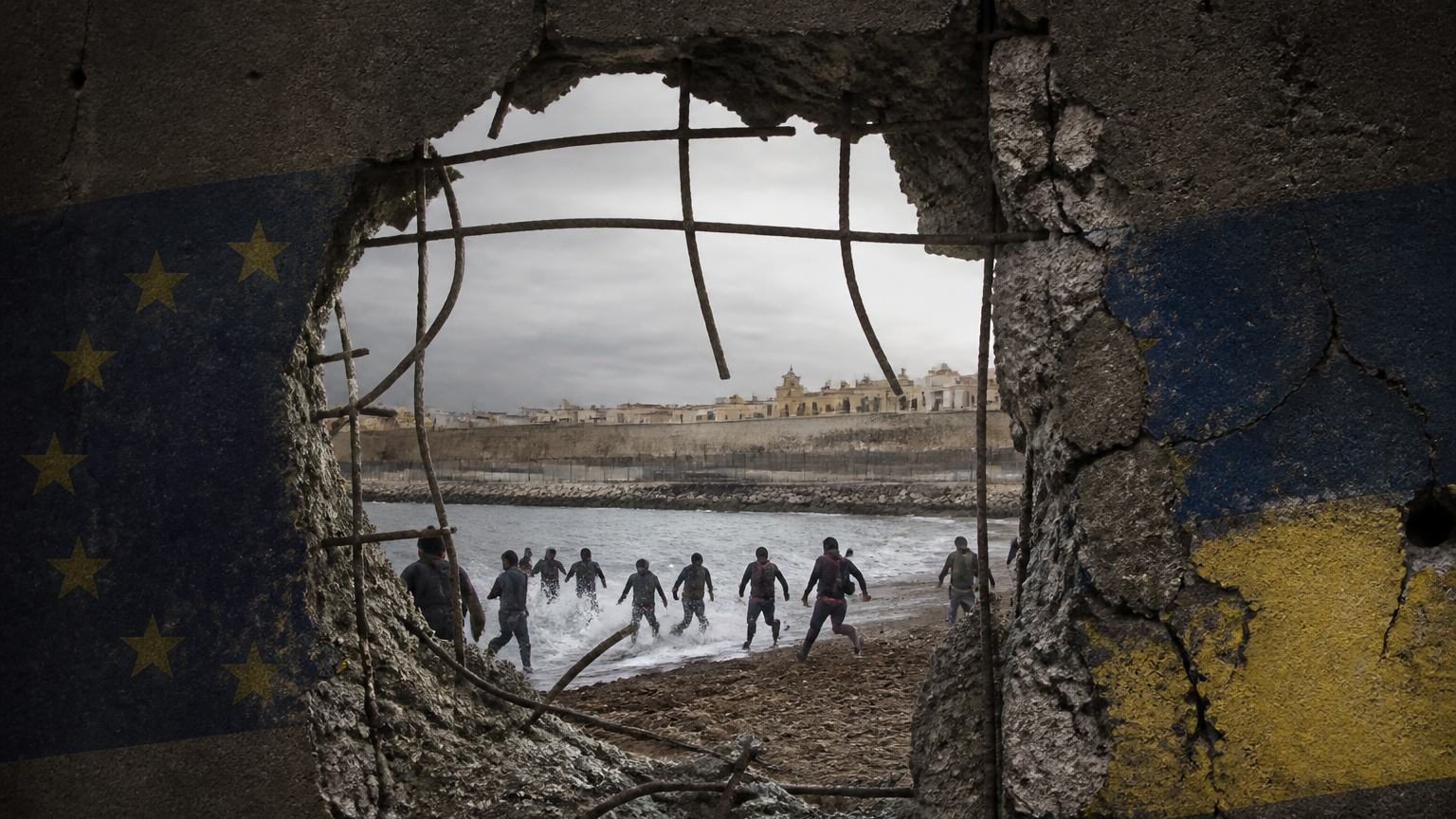
The Ceuta migrant crossings have pushed Europe into emergency talks, and that should concern anyone who still believes borders matter. When a Spanish enclave becomes the center of a wider European dispute, the issue is no longer just local. It becomes a test of whether governments can protect their frontiers and still act with basic order.
According to the context at hand, Spain and other EU member states have clashed over how to respond. That disagreement is not surprising. Some governments want a shared European answer. Others want a harder line and clearer control at the border. Both instincts come from a real place. No nation can manage migration well if it ignores humanitarian obligations. But no nation can manage it at all if it loses control of who enters and when.
Supporters of a more open response will argue that sudden crossings are often driven by desperation. They will say Europe, with its resources and legal standards, should avoid treating every arrival as a threat. That view has force. Civilized nations do not turn away from human suffering. They should act with restraint, dignity, and due process. But compassion is not the same as surrender. A border without enforcement invites chaos, and chaos harms migrants, residents, and public trust alike.
Those pushing for firmer controls have the stronger case. The first duty of a state is to keep order on its own territory. If leaders cannot explain who is coming in, why they are coming, and how long they may stay, then the public will lose confidence fast. That is true in any country, and it is especially true in a union as politically fragile as the EU. Emergency meetings may produce statements, but they do not replace policy.
Be the first to share your opinion on this story.