The Justice Department withdrew Air Force One subpoenas aimed at New York Times reporters after a judge questioned the government’s push for their records.
The Justice Department has withdrawn Air Force One subpoenas that targeted New York Times reporters after a federal judge raised sharp questions about the government’s effort to obtain records tied to their reporting on security concerns surrounding the new presidential plane.
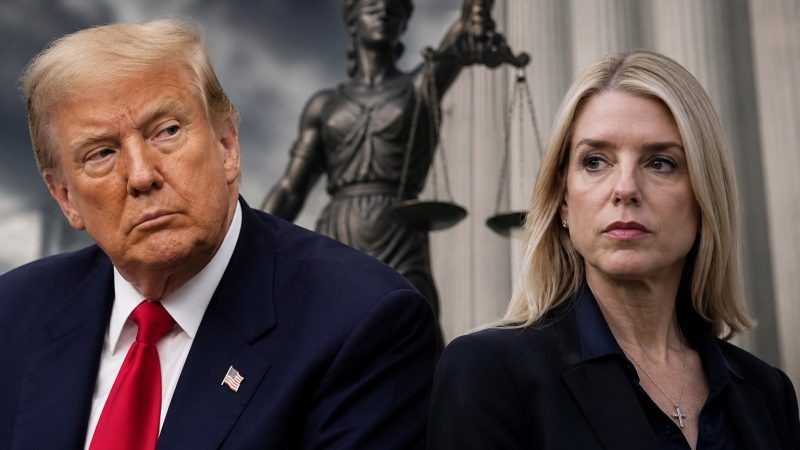
The move came during a court hearing on Thursday, where Judge Arun Subramanian pressed federal lawyers on why Trump officials were seeking information from three journalists and even from members of their families. Lawyers for the government later backed away from the subpoenas, though the department said the leak investigation is still active.
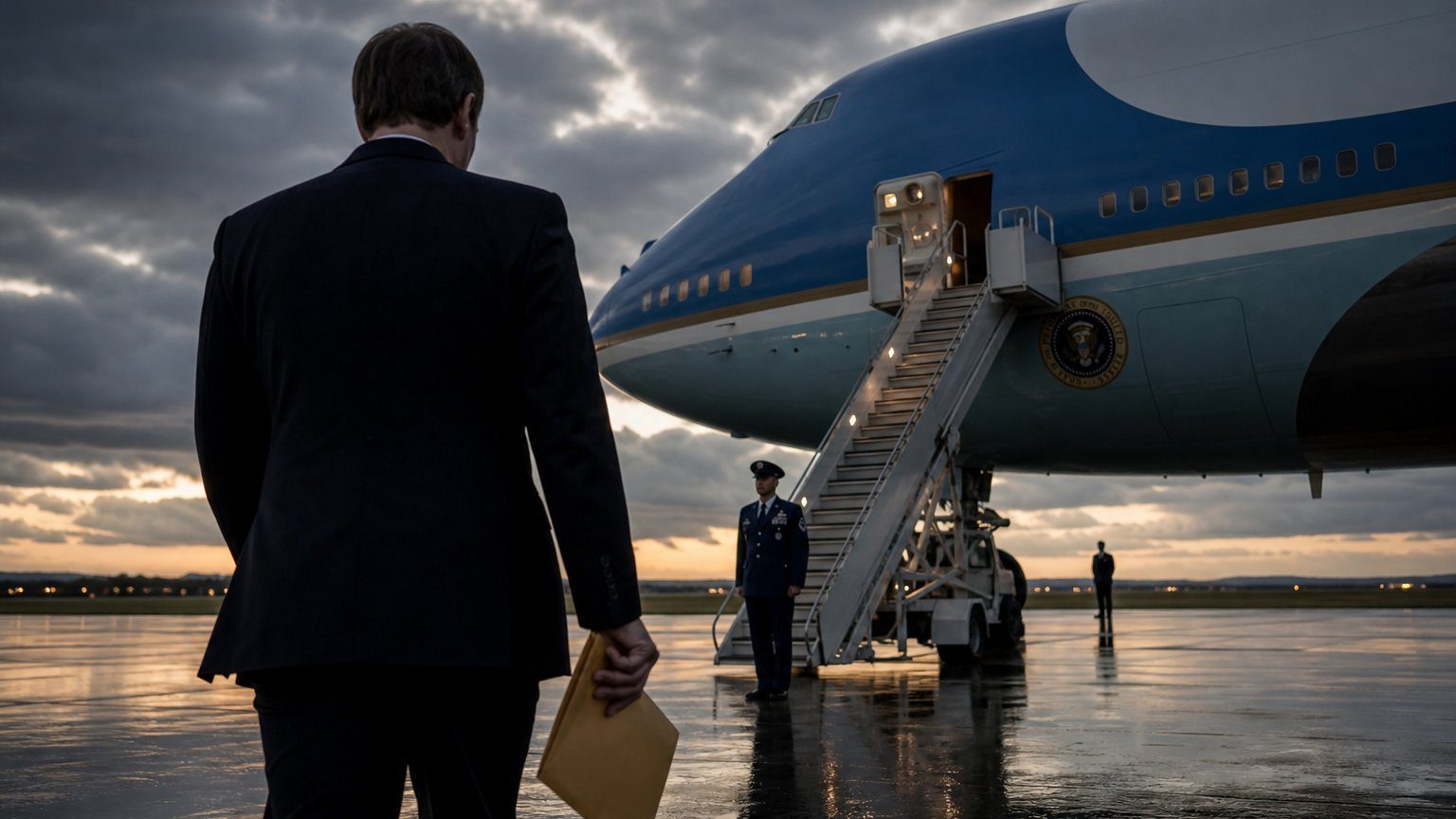
At issue was reporting by the Times that said the new Air Force One, a Boeing 747-8 donated by Qatar, was not secure. The paper reported that the Secret Service urged Trump to change aircraft for the trip home from a Nato summit in Turkey. It also said security officials had concerns that the newer jet lacked advanced protections, including antimissile capabilities.
Trump officials had argued that the subpoenas were needed to stop leaks of government secrets. The Times called the move abusive and improper. In court, Sean Buckley, chief counsel to the US attorney for the Southern District of New York, acknowledged that the Justice Department had made procedural mistakes in issuing the legal summonses. Subramanian told the government it could return with new subpoenas if it chose to refile them.
“The Justice Department withdrew Air Force One subpoenas aimed at New York Times reporters after a judge questioned the government’s push for their records.”
The challenged subpoenas would have forced the journalists to testify before a grand jury, the government panel that decides whether there is enough evidence to bring criminal charges. In court papers, Times lawyers said federal agents were also seeking records from phones belonging to one reporter’s mother and another reporter’s spouse, a detail that deepened the paper’s objections.
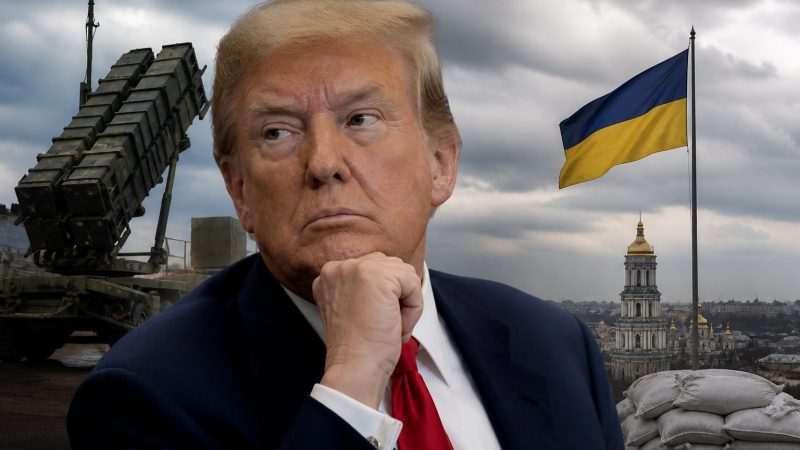
After the hearing, a Justice Department spokesperson said the probe would continue. The statement said the department would pursue justice against anyone threatening national security by leaking classified information, which it described as a serious federal crime. The government’s message made clear that, even with the subpoenas pulled, the underlying fight over leaks and press access is not over.
The New York Times has been challenging the government’s case from the start, while Reporters Without Borders called the outcome a victory for the paper and for journalists who depend on confidential sources to report in the public interest. David McCraw, the Times’s top newsroom lawyer, said the proceedings affirmed the country’s commitment to a free press and argued the subpoenas should never have been issued.
The dispute grew out of the same reporting that said Trump flew to the Nato summit in Turkey on the new plane, but returned on an older aircraft on Secret Service advice. Trump had unveiled the $400 million jet last month and said the Qatari government donated it last year as an unconditional gift for use as the new Air Force One. He has said the plane will eventually go to his yet-to-be-built presidential library. For Americans, the key issue is whether the government can pressure journalists over sensitive reporting without crossing the line on press freedom and legal process.
Frequently asked questions
Why did the Justice Department withdraw the subpoenas?
Judge Arun Subramanian raised sharp questions about why the government sought records from three journalists and even their family members. After that hearing, government lawyers backed away from the subpoenas.
What reporting triggered the subpoenas?
The subpoenas were tied to New York Times reporting about security concerns surrounding the new Air Force One. The story said the plane, a Boeing 747-8 donated by Qatar, lacked advanced protections such as antimissile capabilities.
Did the government end its investigation?
No. The Justice Department said the leak investigation is still active and said it would pursue people who threaten national security by leaking classified information.
What records were the government seeking from the reporters?
Court papers said federal agents sought testimony before a grand jury and records from phones belonging to one reporter’s mother and another reporter’s spouse. The Times said that deepened its objections.
We value your privacy 🍪We use cookies for essential features and, if you allow it, to send you a notification whenever we publish a new story. See our Privacy Policy.
📨
Never Miss a Story
Get the headlines that matter delivered straight to your inbox.
📱 On iPhone: tap the Share icon, choose “Add to Home Screen”, then open TheTrueDefender from your Home Screen and tap 🔔 to turn on notifications. (Apple only allows notifications for saved web apps.)
📱 Add TheTrueDefender to your home screen for one-tap access.