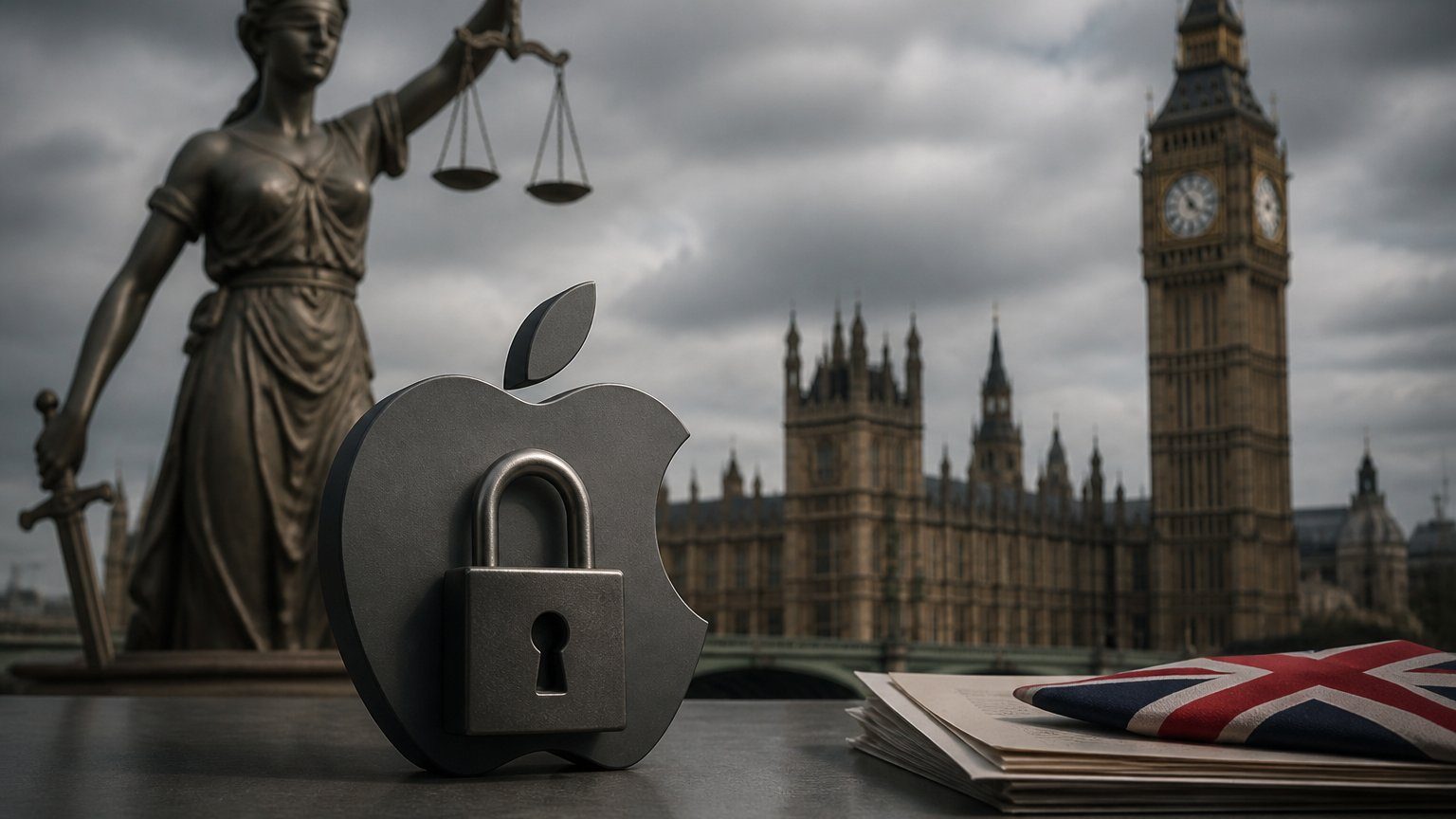
Apple has filed a new legal complaint in the UK as the dispute over access to encrypted Apple user data continues to intensify.
Apple has launched a new legal challenge in the UK over access to encrypted Apple user data, deepening its standoff with the Home Office over privacy and surveillance powers. The company has confirmed it filed a fresh complaint with a court that hears objections to covert surveillance measures, though it has not said publicly what the filing specifically covers.
The move appears to be tied to the government’s push for what critics call “backdoor” access to highly encrypted data protected by Apple’s Advanced Data Protection feature. That feature is designed to give iCloud users stronger protection for backups, Drive storage, photos and voice memos, and Apple says even it cannot view the contents because the system uses end-to-end encryption.
The fight over Apple user data has been running since early 2025. The UK government has argued it supports strong encryption and privacy, but says law enforcement must still be able to reach communications when it is necessary and proportionate to protect the public from terrorism, serious crime and child sexual abuse. Officials said they would not comment on the legal proceedings or what they described as operational matters.
Apple referred reporters back to a statement it issued last year after its first challenge to the government’s request. In that statement, the company said it was “gravely disappointed” that it still could not offer Advanced Data Protection to new UK users after withdrawing the feature in February 2025. Apple also said it has never built a backdoor or master key into its products or services, and never will.
“Apple has filed a new legal complaint in the UK as the dispute over access to encrypted Apple user data continues to intensify.”
At the center of the dispute is the Investigatory Powers Act, which allows the UK government to issue secret technical capability notices that can require companies to give security services a way into customer data. The government first tried to keep its legal fight with Apple private, but that effort failed. The original notice was later withdrawn after US politicians raised alarm that it could affect their citizens’ data.
In October, however, the government issued a new request that did not apply to US users. That step kept the tension alive and signaled that London is still determined to preserve some form of access to data held under advanced encryption, even after the earlier order was pulled back.
Privacy groups welcomed Apple’s latest complaint. Privacy International said it was pleased to see Apple challenge the UK’s system of secret orders again, while Liberty called the case hugely important and said it could shape privacy rights for years to come. Both groups argue that end-to-end encryption protects sensitive information such as bank details, health records, private messages and images.
Sir Brian Leveson, the Investigatory Powers Commissioner, has previously pushed back on the use of the phrase “backdoor.” He has said such notices would only be issued if a secretary of state judged them necessary and proportionate, with an independent judicial commissioner reviewing the decision. For Americans, the case matters because it sits at the crossroads of digital security, law enforcement access and cross-border pressure on U.S. tech firms. The next moves could help shape how far governments can go in demanding access to encrypted data.
Frequently asked questions
What is Apple challenging in the UK?
Apple has filed a new legal complaint in a court that handles objections to covert surveillance powers. The company has not publicly detailed the filing, but it appears tied to the Home Office’s access request.
What is Advanced Data Protection?
It is an opt-in Apple feature that gives iCloud data stronger protection using end-to-end Encryption. It covers items such as backups, Drive storage, photos and voice memos.
Why is the UK government pushing for access?
The government says law enforcement needs access to communications when necessary and proportionate to protect the public from terrorism, serious crime and child sexual abuse.
How has the dispute affected users?
Apple withdrew Advanced Data Protection in February 2025 and said it still cannot offer the feature to new UK users.
We value your privacy 🍪We use cookies for essential features and, if you allow it, to send you a notification whenever we publish a new story. See our Privacy Policy.
📨
Never Miss a Story
Get the headlines that matter delivered straight to your inbox.
📱 On iPhone: tap the Share icon, choose “Add to Home Screen”, then open TheTrueDefender from your Home Screen and tap 🔔 to turn on notifications. (Apple only allows notifications for saved web apps.)
🔔
Never miss a breaking storyGet free alerts the moment big US news breaks.
1Tap the ••• menu at the bottom of the screen, then tap Share(in Safari, just tap Share in the bottom bar directly)2Scroll down the menu and tap Add to Home Screen3Tap Add in the top-right corner4Open TheTrueDefender from your Home Screen, then tap 🔔 Subscribe and choose Allow
📱 Add TheTrueDefender to your home screen for one-tap access.