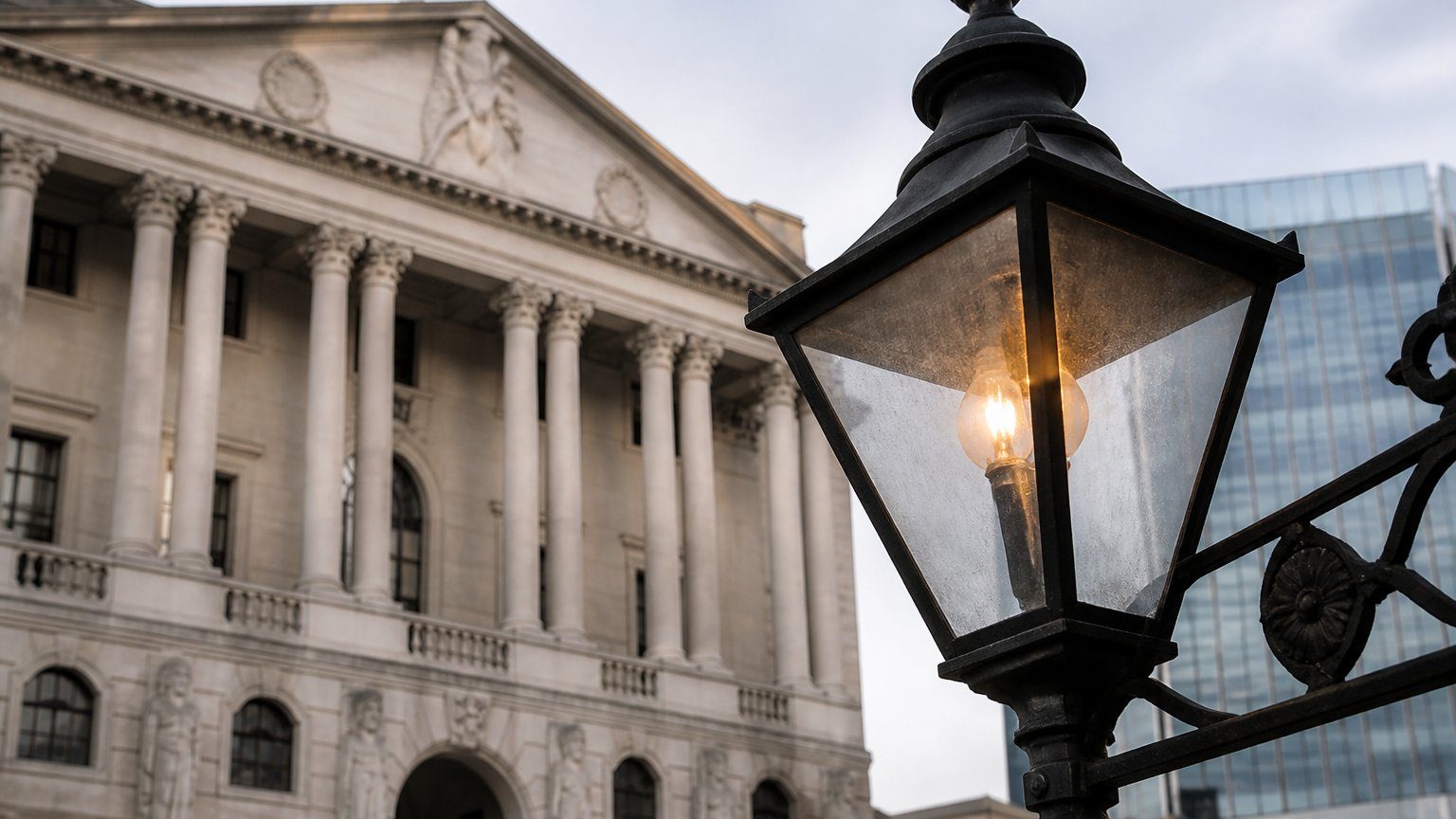
Bank of England interest rates stayed at 3.75% on Thursday, marking the fifth meeting in a row without a change as officials weighed the fallout from the Iran war and the strain it could put on prices. The decision leaves the Bank in wait-and-see mode, but Governor Andrew Bailey made clear that a longer conflict and higher energy costs could still force the central bank to move up.
The Bank said inflation is likely to rise again because oil and gas prices have been swinging sharply with the conflict in the Middle East, even though its latest outlook suggests the peak will be a little lower than it had expected before. Bailey told the BBC that if the fighting continues and oil stays above $100 a barrel, higher interest rates become more likely. He also said a ceasefire and memorandum of understanding that holds would change the outlook. At the same time, he told reporters not to read Thursday’s decision as a sign the Bank is already leaning toward a hike.
The vote inside the Bank’s nine-member rate-setting committee showed some pressure building. Three members backed a rate increase, one more than at the previous meeting, and one of them specifically tied that position to the collapse of the US-Iran memorandum of understanding. Even so, Bailey stressed that the Bank was not currently moving toward a rise, saying people should not leave the room thinking a hike was already on the table.
The interest rate decision comes against a backdrop of unstable oil markets. Prices fell on Monday after President Donald Trump said there were very friendly negotiations between Washington and Tehran. They jumped again on Wednesday after Trump said the US would be hitting Iran hard. That kind of back-and-forth has made it difficult for policymakers and households alike to plan with confidence.
Recent data showed UK inflation eased to 2.6% in the year to June, helped by lower diesel and petrol costs during a brief lull in hostilities between the US and Iran. Bailey said inflation had fallen faster than expected, but warned that the Middle East conflict still points to high and volatile energy prices that could push inflation up again this year. The Bank’s job, he said, is to make sure any increase proves temporary and returns to its 2% target.