⚡ LATEST
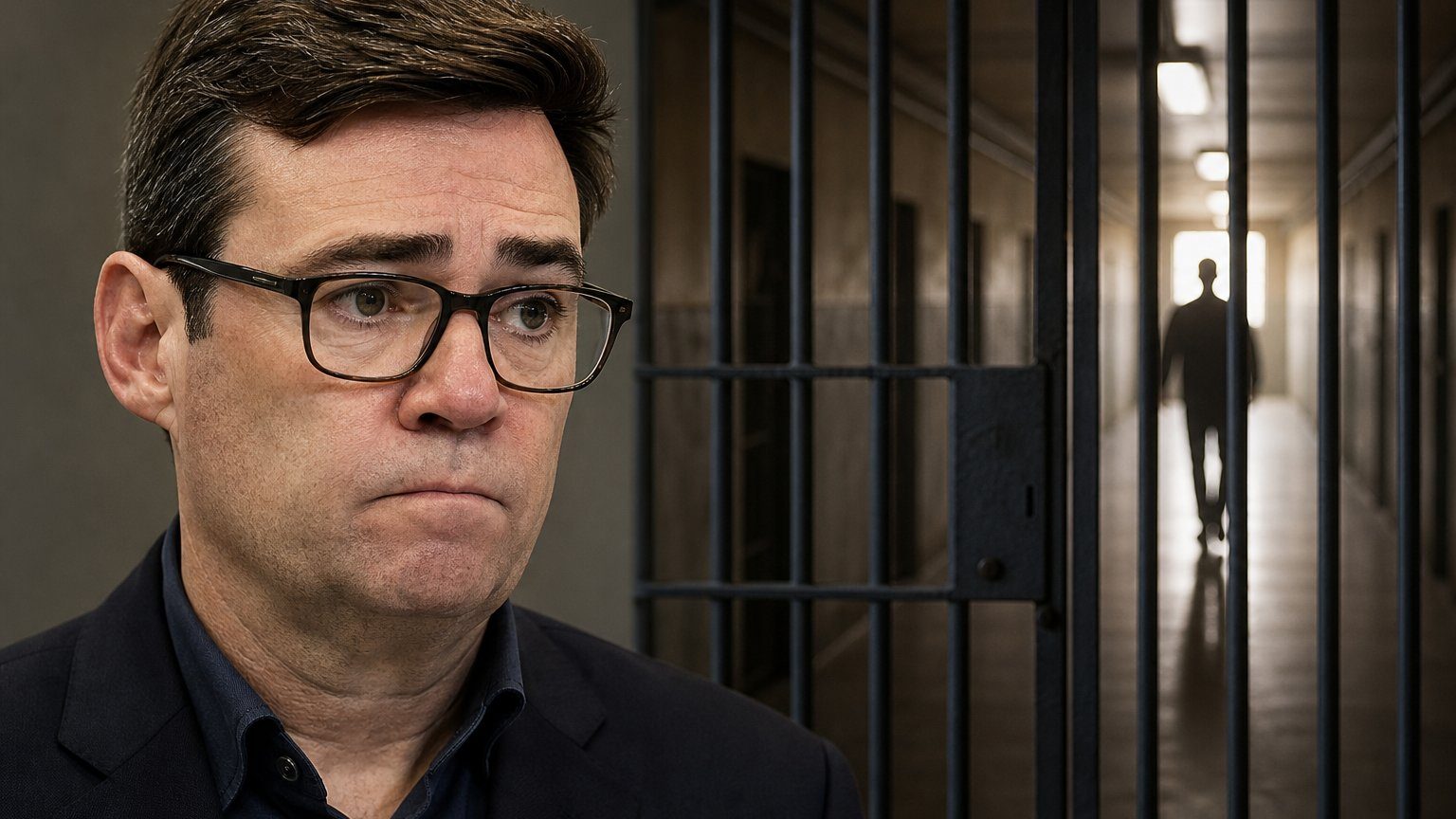
Burnham Pauses Prison Early Release Plan

Burnham Pauses Prison Early Release Plan

The prison early release plan in England and Wales has been paused after victim backlash, with officials promising an urgent review before anyone is freed.

The prison early release plan in England and Wales has been put on hold, with Andy Burnham saying no inmates will be freed under the policy until an urgent review is finished and public risk has been reduced. The move halts a scheme that would have made thousands of prisoners eligible for earlier release as the government tried to ease overcrowding in the prison system.

The decision came after strong criticism from survivors and victims’ families, including the widow of PC Andrew Harper, who called the prospect of his killers’ early release “deplorable.” Burnham said the pause was necessary to make sure the policy was handled properly. He said the government would not move ahead until it had “done everything we can to minimise risk to the public,” and added that any needed changes would be made without hesitation.

Under the Sentencing Act, which was due to take effect in September, some offenders would have been released after serving one third of their sentence rather than half. More serious offenders on fixed terms would have been released after serving half their sentence instead of two thirds. The rest of their sentence would have been spent in the community under monitoring, with the possibility of being returned to prison if they offended again. The most serious offenders, including life prisoners and those under extended monitoring, would not have been eligible.

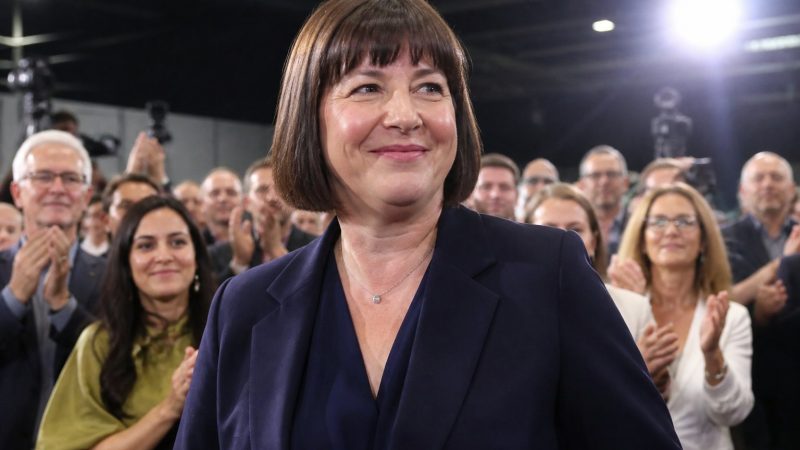
The new Justice Secretary, Alex Norris, said the pause was meant to “give victims and survivors certainty” and to make sure the government got the policy’s implementation right. He also said the review would examine what information victims and survivors’ families receive during the early release process. Norris, who voted for the Sentencing Act under Starmer’s government, said the change followed listening to victims and survivors across the country. He declined to explain why he had not raised concerns earlier, but said Burnham was right to review the scheme.

The backlash has been personal and intense. The family of PC Harper, a Thames Valley Police officer killed in Berkshire in 2019 after he was dragged along a country road by three teenagers, were among the loudest critics. Two of the men convicted of his killing, both sentenced to 13 years, would have been affected by the scheme from June 2027 when longer fixed sentences came under its terms. Harper’s widow, Lissie, said politicians were making decisions from behind a desk that would have lasting consequences for families. His mother said he had not been given proper justice and argued that every victim would feel the same way about the plan.
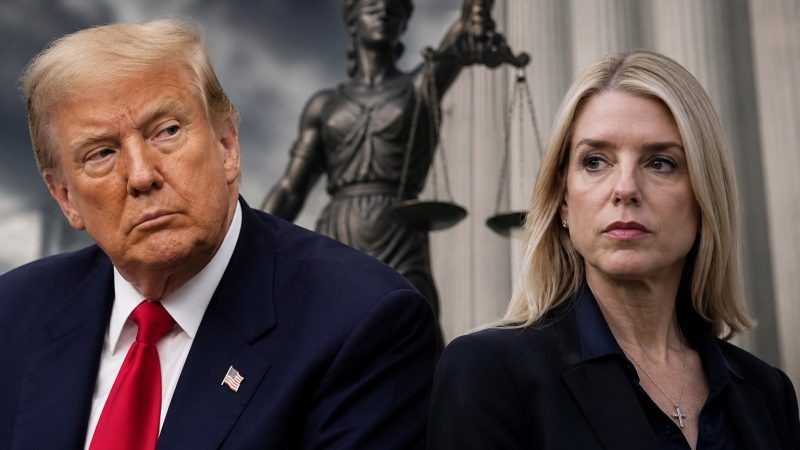
Victims had already begun receiving warning letters in recent weeks telling them the early release scheme was due to start in September. That has left many with fresh anxiety, according to campaigners and victims’ advocates. Jade Belgrove, a survivor of sexual assault who has been campaigning against the plan, said receiving a letter telling her that the person who attacked her might be released early was horrific, and she said it even made her question whether reporting the assault had been worth it.

Victims’ Commissioner Claire Waxman welcomed the pause and said the original version of the plan was the wrong course of action. She said thousands of victims had already been told that the offenders who harmed them could be released early, leaving them with renewed fear and uncertainty. Conservative Party leader Kemi Badenoch also backed the pause, but said killers and rapists should be permanently excluded from any future version of the scheme. Prison officers were split. The general secretary of the POA union said the government was right to pause early releases to protect the public and put victims first, while one officer warned prisons were already close to full capacity and said delaying releases could create a critical point later in the year.

The argument now is not just about prison numbers. It is about whether the state can lower pressure on overcrowded jails without undermining confidence in justice, especially for victims who were already told to brace for an early release system. The wider test for the government is whether it can tighten the policy without losing sight of public safety and basic fairness. For Americans watching similar debates at home, the lesson is simple: when punishment, protection, and overcrowding collide, victims demand more than bureaucracy — they demand certainty and safety first.

Frequently asked questions

Why was the prison early release plan put on hold?
Andy Burnham said no inmates will be freed under the policy until an urgent review is finished and public risk has been reduced. He said the government must do everything it can to minimise risk to the public.
Who would have been eligible for earlier release under the plan?
Some offenders would have been released after serving one third of their sentence instead of half. More serious fixed-term offenders would have been released after half their sentence instead of two thirds, while the most serious offenders would not have been eligible.
How did victims and families react to the scheme?
Many strongly criticized it, including the widow of PC Andrew Harper, who called the prospect of his killers’ early release “deplorable.” Victims’ groups said warning letters caused fresh anxiety and fear.
What will the review look at?
Justice Secretary Alex Norris said the review will examine the policy’s implementation and what information victims and survivors’ families receive during the early release process.

More from Politics

View all →
📨

Never Miss a Story

Get the headlines that matter delivered straight to your inbox.