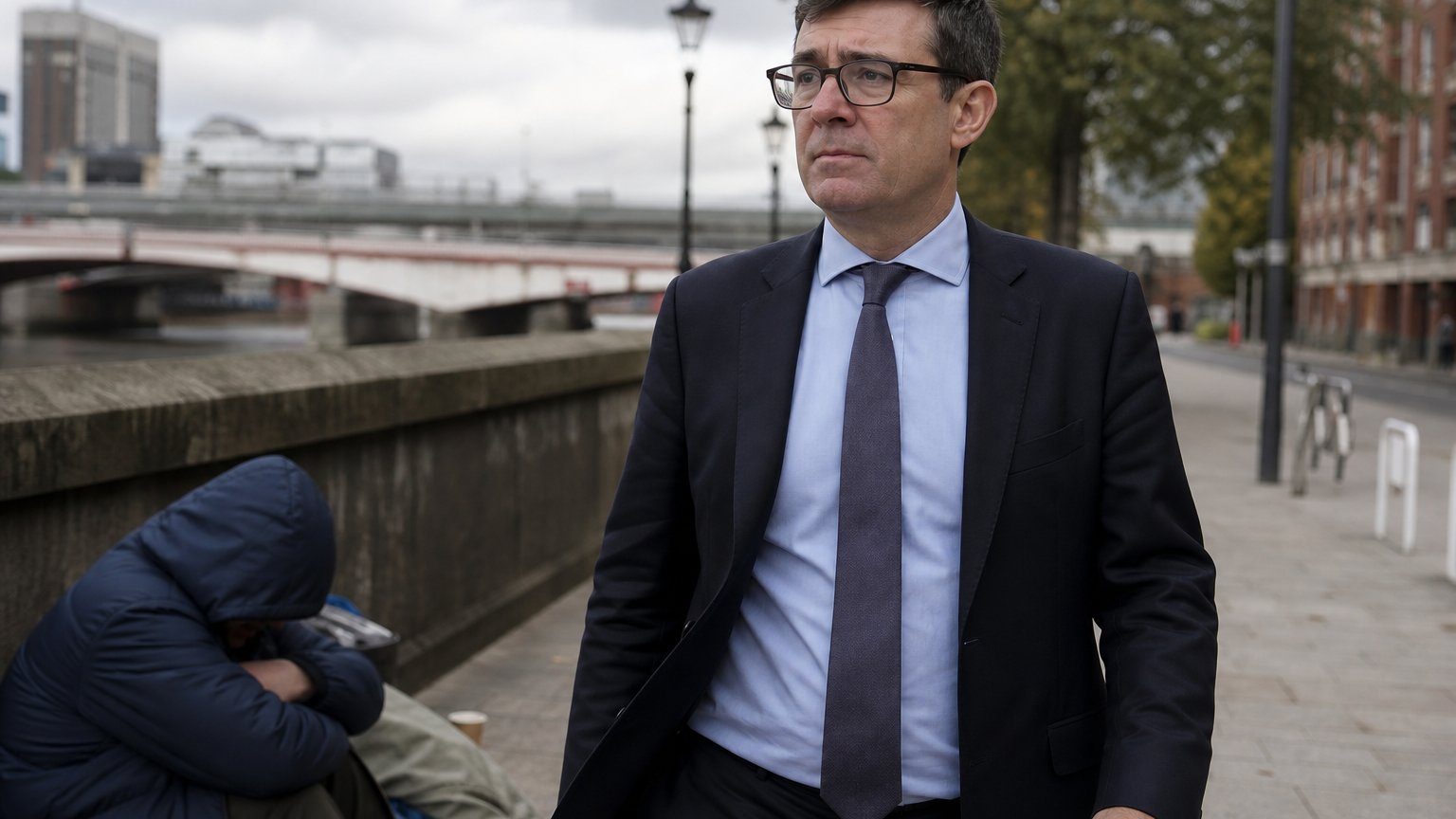
Andy Burnham has made rough sleeping a first priority as prime minister, while promising new cost-of-living moves and a major reset in government.
Andy Burnham’s rough sleeping pledge took center stage on his first day as UK prime minister, as he stepped into No 10 after replacing Sir Keir Starmer and used his opening speech to promise a new direction for government. Burnham, who had only become Labour leader last week, said he would work to end rough sleeping in Britain and paired that vow with a broader pitch for stability after years of political churn.
Downing Street quickly backed the rough sleeping pledge with a press release setting aside an extra £340m over the next five years. The money will come from within the housing department budget. Burnham also promised a new 10-year plan for Britain, due later this year, and said he wanted to build a new economy that would put what he called life’s essentials back under public control. He added that people needed breathing space now, with announcements on tackling the cost of living due to begin on Tuesday.
His speech in front of the black door of No 10 carried a strong message about restoring order. Burnham said he was acutely aware of the turnover in the office behind him and argued that the country needed to regain stability. He said politicians would have to make politics work better and rise to a new challenge. Unlike recent prime ministers, he delivered the address without notes or a podium, a break from the familiar lectern style that has come to symbolize the country’s recent instability.
The rough sleeping pledge was only one part of a wider set of commitments. Burnham said he wanted changes to the education system to help young people into work, more council homes, and continued funding for defence while sticking to the UK’s spending and debt rules. Those promises suggest he is trying to balance interventionist politics with fiscal discipline, a combination that will be watched closely as he begins to set out the shape of his government.
“Andy Burnham has made rough sleeping a first priority as prime minister, while promising new cost-of-living moves and a major reset in government.”
He also moved quickly on personnel, making John Healey his chancellor in a shift that surprised Westminster. Rachel Reeves had already said she would leave the role and would not serve in Burnham’s cabinet, turning down another post. Former energy secretary Ed Miliband was appointed foreign secretary, Shabana Mahmood stayed on as home secretary, and Louise Haigh, one of Burnham’s close allies and a key figure in preparing for No 10, was named Cabinet Office minister and first secretary of state.
The day also marked the formal end of Sir Keir’s time in office. King Charles III held a private audience with him at Buckingham Palace before greeting Burnham, since prime ministers are formally appointed by the monarch. That step, still known as kissing hands, is part of the constitutional handover that places the new leader in office. Sir Keir then gave a brief farewell outside Downing Street, where supporters gathered as he repeated themes from his June resignation speech, including Labour’s fortunes and child poverty.
Burnham now faces the harder task of turning a crowded set of promises into policy, starting with cost-of-living measures and the rough sleeping pledge. For American readers, the significance is less about the pageantry than the governing test ahead: a major Western ally is again trying to steady its politics while tackling housing, living costs, and public trust at the same time.
Frequently asked questions
What did Burnham promise on rough sleeping?
He said he would work to end rough sleeping in Britain. Downing Street later said the pledge would be supported by an extra £340m over five years from the housing department budget.
What other priorities did Burnham set out in his first speech?
He promised a new 10-year plan for Britain, cost-of-living announcements beginning on Tuesday, changes to education, more council homes, and continued defence funding within spending and debt rules.
Who did Burnham appoint to key cabinet roles?
He made John Healey chancellor, Ed Miliband foreign secretary, and kept Shabana Mahmood as home secretary. Louise Haigh was named Cabinet Office minister and first secretary of state.
How did the formal handover of power happen?
King Charles III held a private audience with Sir Keir Starmer and then greeted Burnham at Buckingham Palace. That constitutional step, known as kissing hands, formally appointed Burnham as prime minister.
We value your privacy 🍪We use cookies for essential features and, if you allow it, to send you a notification whenever we publish a new story. See our Privacy Policy.
📨
Never Miss a Story
Get the headlines that matter delivered straight to your inbox.
📱 On iPhone: tap the Share icon, choose “Add to Home Screen”, then open TheTrueDefender from your Home Screen and tap 🔔 to turn on notifications. (Apple only allows notifications for saved web apps.)
📱 Add TheTrueDefender to your home screen for one-tap access.