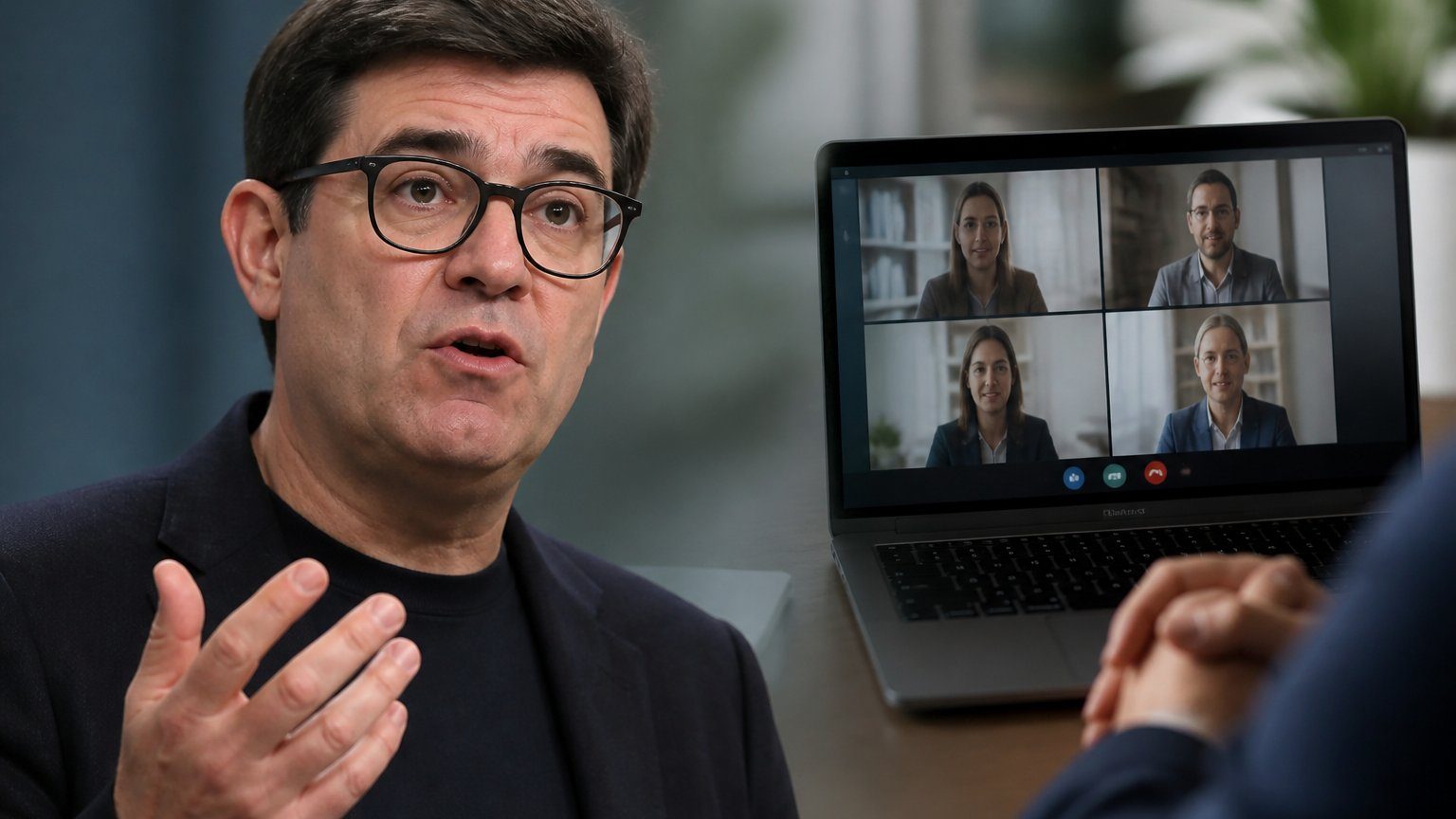
Andy Burnham says virtual job interviews can hide young applicants’ personality and passion as employers lean more on AI hiring tools.
Virtual job interviews are under fresh scrutiny after Andy Burnham argued they can make it harder for young people to show what they can bring to a workplace. Speaking on a careers podcast, Burnham said employers should not depend too heavily on video interviews such as Zoom or Teams, because they do not always reveal a candidate’s personality, drive or potential. The dispute lands at a time when many firms are leaning harder on AI hiring tools and online screening as they process large numbers of applications.
Burnham said he disliked the growing habit of interviewing by video, asking how a young person is supposed to stand out in that setting. He said technology was not necessarily making recruitment more fair, and suggested that online formats can favor applicants who give polished, formulaic answers rather than those whose energy or character comes across better in person. He also said he had seen the issue close to home through his own children’s experiences.
The comments arrive against a difficult backdrop for young workers in the UK. More than one million people aged sixteen to twenty-five are not in work, education or training, and vacancies are at a five-year low. Burnham’s remarks also come as some eighty-nine percent of UK recruiters say they plan to use more AI in hiring this year, according to LinkedIn data. For many young applicants, the process can already feel harsh and impersonal. Some told the BBC that sending out hundreds of applications and hearing nothing back feels robotic and brutal.
There is, however, no consensus on whether virtual hiring is the problem or part of the solution. The Recruitment and Employment Confederation said online interviews can be useful, especially in the early stages of recruitment, even if they cannot replace the value of meeting a candidate face to face. Maxine Bligh of the REC said AI tools can be important when employers are handling huge numbers of applications, but stressed that recruiters still need judgment and professionalism. Her group’s message was clear: use digital tools where they help, but keep the human element where it matters.
“Andy Burnham says virtual job interviews can hide young applicants’ personality and passion as employers lean more on AI hiring tools.”
Others argued that online interviews can widen access rather than narrow it. Elizabeth Anderson, chief executive of the Digital Poverty Alliance, said video interviews give people outside major cities a better chance to compete for jobs. She warned that requiring young people to travel into London or other big cities could shut out those who can only look for local roles, which are often limited. She also said AI itself is the bigger issue, arguing that AI used in job interviews and CV sorting can be unfair to school leavers who do not know how to write in a way that gets them shortlisted.
That split reflects a larger debate over whether modern hiring is becoming more efficient or simply more detached. Amy Davies of Talent People said video interviews are not a perfect substitute for meeting someone in person, but she said they can improve access for candidates who may need more control over the process, including neurodivergent applicants and young people who cannot afford to travel for an early-stage interview. Denis Machuel, chief executive of the Adecco Group, said employers should be judged less on whether an interview happens on a screen or in a room and more on whether the process is fair, transparent and focused on real skill.
The controversy also ties into a broader concern about youth opportunity. A major review by former minister Alan Milburn said chances for young people are shrinking, not growing, and warned that one in six could be out of work, education or training in five years unless action is taken. Burnham has separately said he wants employers who provide six-week work placements for teenagers to be given priority for government contracts, and he has called for more 45-day placements, along with greater access to senior leaders through shadowing. He has also unveiled plans to open new technical education routes for fourteen-year-olds, linking core academic subjects with training tied to jobs in their area. The big question for Americans watching this debate is straightforward: as hiring becomes more automated here too, will technology make opportunity broader, or push promising young people further to the margins?
Frequently asked questions
Why did Andy Burnham criticize virtual job interviews?
He said video interviews can make it harder for young people to show personality, drive, and potential. He argued that online formats may reward polished, formulaic answers instead of real character.
What challenges are young job seekers in the UK facing?
The article says more than one million people aged 16 to 25 are not in work, education or training, and vacancies are at a five-year low. Some young applicants also described the application process as robotic and brutal.
What did the Recruitment and Employment Confederation say about video interviews?
The REC said online interviews can be useful, especially in the early stages of recruitment. It said digital tools should be used where they help, but employers still need human judgment and professionalism.
Why do some people support video interviews?
Supporters said they can widen access for people outside major cities, neurodivergent applicants, and young people who cannot afford to travel. Elizabeth Anderson and Amy Davies both said online interviews can remove some barriers even if they are not a perfect substitute for meeting in person.
We value your privacy 🍪We use cookies for essential features and, if you allow it, to send you a notification whenever we publish a new story. See our Privacy Policy.
📨
Never Miss a Story
Get the headlines that matter delivered straight to your inbox.
📱 On iPhone: tap the Share icon, choose “Add to Home Screen”, then open TheTrueDefender from your Home Screen and tap 🔔 to turn on notifications. (Apple only allows notifications for saved web apps.)
📱 Add TheTrueDefender to your home screen for one-tap access.