In his first major interview as prime minister, Andy Burnham said Britain’s national interest comes first and he would challenge Donald Trump if needed.
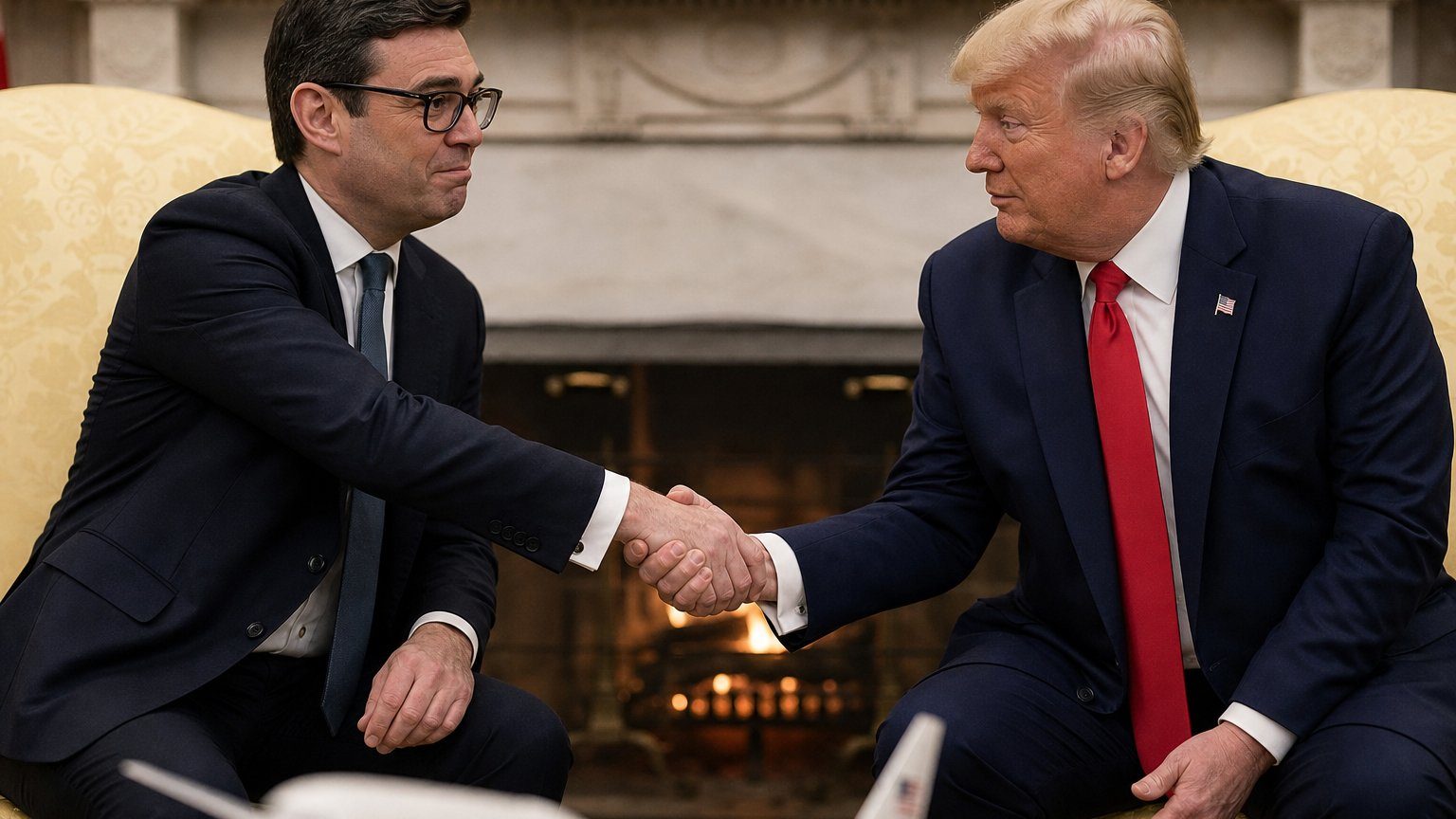
Andy Burnham has used his first major interview as prime minister to draw a clear line on the Trump relationship, saying the UK must put its own national interest first and that he would be ready to say so if Donald Trump took a path he believed was wrong. The interview, given exclusively to the BBC, marked Burnham’s first detailed public statement on how he intends to handle the US president.
Burnham said his first exchange with Trump had gone well and described the president as “really warm.” But when asked directly whether he trusted Trump, he avoided giving a straight yes or no. Instead, he said the world was changing and that leaders had to judge events as they unfolded. He was firmer when asked whether he would challenge Trump if necessary, saying he would “of course” do so because a prime minister’s duty is to defend Britain before anything else.
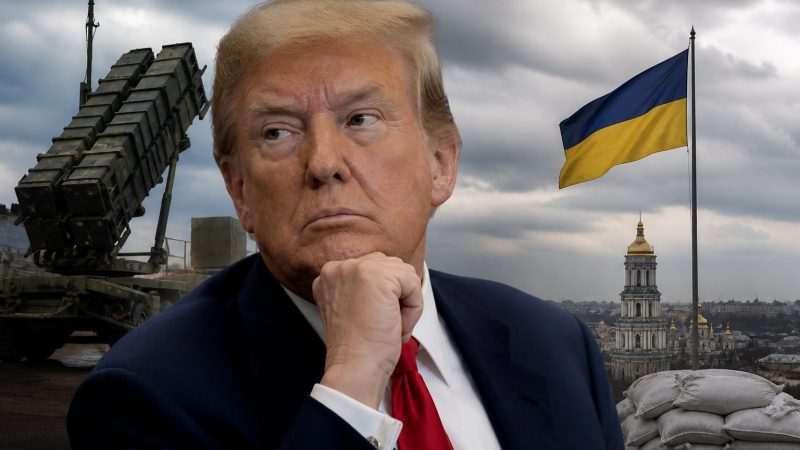
The prime minister also said he would not stay silent if he believed Trump was wrong on wider foreign policy questions. He said he had been concerned about the president starting the conflict with Iran and added that he would not hold back from saying what he thought was right. That language matters because it suggests Burnham wants to preserve the transatlantic alliance without treating it as a blank cheque. In plain terms, he is signaling that friendship with Washington will not override his view of British interests.
Burnham also tried to position himself as a leader who stays close to the public. He said that remained his strength and would not change in office. That remark fits the political message running through the interview: he wants to appear grounded, independent and willing to break with powerful figures, including a US president, if he thinks the country demands it.
“In his first major interview as prime minister, Andy Burnham said Britain’s national interest comes first and he would challenge Donald Trump if needed.”
The interview was not only about Trump. Burnham declined to set a date for Britain to reach defense spending of 3% of GDP, even though his Chancellor, John Healey, had resigned from the previous government over the issue, saying the country would not be safe without such a commitment by 2030. Burnham said he had chosen his new chancellor aware of his views on defense and argued that the immediate task was to fully fund the defense investment plan ahead of the budget later this year. When pressed again on the 3% target, he said the government had to work out how to do it.
Burnham also closed the door on an early general election before 2029. He said he would rule it out and did not think voters wanted one. Instead, he said his focus was on getting the country back where it should be. That is a notable move for a new prime minister, because it tells both supporters and critics that he intends to govern on his own timetable rather than live under constant election speculation.
There was a political response too. Shadow Home Secretary Chris Philp said the United States was a long-standing ally and that Britain should maintain good relations while still being honest when it disagrees. He also said the Conservatives were ready for an election whenever it comes. For American readers, the broader significance is straightforward: Britain’s next moves on Trump, defense and elections will shape how closely one of Washington’s key allies aligns with the White House, and that could affect cooperation well beyond Westminster.
Frequently asked questions
How did Burnham describe his first exchange with Donald Trump?
He said it went well and described Trump as “really warm.”
Did Burnham say he trusted Trump?
He did not give a straight yes or no. He said the world is changing and leaders have to judge events as they unfold.
What did Burnham say about the conflict with Iran?
He said he had been concerned about Trump starting the conflict with Iran and would not hold back from saying what he thought was right.
Did Burnham set a date for reaching 3% of GDP on defense spending?
No. He said the government needed to work out how to do it and said the immediate task was to fully fund the defense investment plan before the budget later this year.
We value your privacy 🍪We use cookies for essential features and, if you allow it, to send you a notification whenever we publish a new story. See our Privacy Policy.
📨
Never Miss a Story
Get the headlines that matter delivered straight to your inbox.
📱 On iPhone: tap the Share icon, choose “Add to Home Screen”, then open TheTrueDefender from your Home Screen and tap 🔔 to turn on notifications. (Apple only allows notifications for saved web apps.)
📱 Add TheTrueDefender to your home screen for one-tap access.