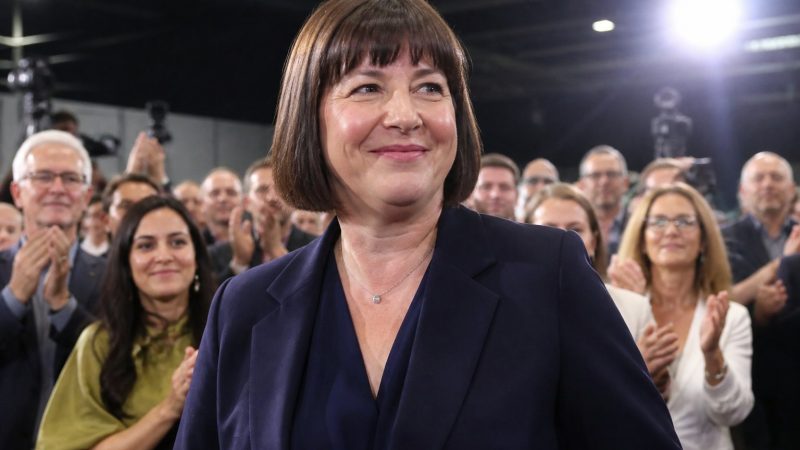
Andy Burnham says palliative and social care funding must be fixed before the assisted dying debate in England and Wales goes any further.
Prime Minister Andy Burnham has tied the future of the assisted dying debate in England and Wales to a prior fix for palliative and social care funding. Speaking as MPs prepare to revisit the issue when Parliament returns in September, Burnham said the system has to be put right first before any wider legal change is pushed forward.
His comments mark the first time he has laid out his stance on the issue since entering Downing Street. They also suggest he will not personally support a new bill being prepared by Labour MP Lauren Edwards, even though the government is expected to stay officially neutral. That marks a clear shift from former Prime Minister Sir Keir Starmer, who backed the previous attempt to legalise assisted dying and allowed Parliament time to debate it. Some Labour MPs later pointed to his support as a reason they voted for the bill.
Burnham told reporters he did not rule out a debate on assisted dying at some stage, but said there was a condition that had to come first. He said palliative care and social care funding needed to be fixed, arguing that it is difficult to ask people to weigh such a profound choice when they are not getting proper care and do not have peace of mind about what support will be available to them.
The issue has already been through a bruising run in Parliament. In 2025, MPs backed a bill introduced by Labour MP Kim Leadbeater to legalise assisted dying. But the proposal later stalled in the House of Lords after an unusually large number of proposed amendments slowed it down until it ran out of time in April this year. Opponents said the measure had serious flaws and warned it could leave vulnerable people open to pressure to end their lives early.
“Andy Burnham says palliative and social care funding must be fixed before the assisted dying debate in England and Wales goes any further.”
The earlier bill, known as the Terminally Ill Adults (End of Life) Bill, would have allowed adults over 18 who were expected to die within six months to receive help to end their own life, subject to safeguards. Edwards now plans to bring forward an identical bill, saying she wants to finish what Leadbeater started. After Burnham’s remarks, she argued that improving social care and legalising assisted dying are not competing goals and said both can proceed together. She also pointed to the bill’s four-year implementation period, saying it would leave time to address the current system if the legislation passed next year.
Not all Labour voices agree. MP Jess Asato, who opposes the bill, said lawmakers have a duty to think about safety before introducing what she called a flawed proposal into an already broken care system. She said there can be no real choice or dignity at the end of life without a palliative care system that offers basic support and a social care system that is affordable and dignified.
Burnham’s position comes as he has also outlined plans to reform social care, including work toward a national care service and an attempt to build political agreement on how to pay for it. That wider reform debate is now directly colliding with the assisted dying fight, and Burnham’s own history shows how much the issue has shifted over time. In 2024, ahead of the first Commons vote on the Terminally Ill Adults (End of Life) Bill, he told BBC Manchester he would probably vote for it if he were still in Parliament. Before that, he abstained in a 2015 vote on an earlier assisted dying bill because he was worried about safeguards and pressure on vulnerable people.
He later said his thinking had changed because of family experience over the nine years that followed, and that people and families are made to suffer too much. But he still said any new law should wait until hospices are properly funded and settled. For American readers, the fight shows how end-of-life law, care funding, and political caution can collide all at once — and why the next Parliament debate will matter well beyond Westminster.
Frequently asked questions
What condition does Burnham set for any assisted dying debate?
He says palliative care and social care funding must be fixed first. He argues people should not be asked to make such a profound choice without proper care and peace of mind about support.
What happened to the earlier assisted dying bill in Parliament?
MPs backed the Terminally Ill Adults (End of Life) Bill in 2025, but it stalled in the House of Lords after many amendments and ran out of time in April this year.
What is Lauren Edwards planning to do?
She plans to bring forward an identical bill to the one introduced by Kim Leadbeater. She says she wants to finish what Leadbeater started.
How do opponents of the bill view the proposal?
Opponents say it has serious flaws and could leave vulnerable people open to pressure to end their lives early. MP Jess Asato said safety should come before introducing the bill into an already broken care system.
We value your privacy 🍪We use cookies for essential features and, if you allow it, to send you a notification whenever we publish a new story. See our Privacy Policy.
📨
Never Miss a Story
Get the headlines that matter delivered straight to your inbox.
📱 On iPhone: tap the Share icon, choose “Add to Home Screen”, then open TheTrueDefender from your Home Screen and tap 🔔 to turn on notifications. (Apple only allows notifications for saved web apps.)
📱 Add TheTrueDefender to your home screen for one-tap access.