⚡ LATEST
Canada weighs response as US tariff deadline nears

Canada weighs response as US tariff deadline nears

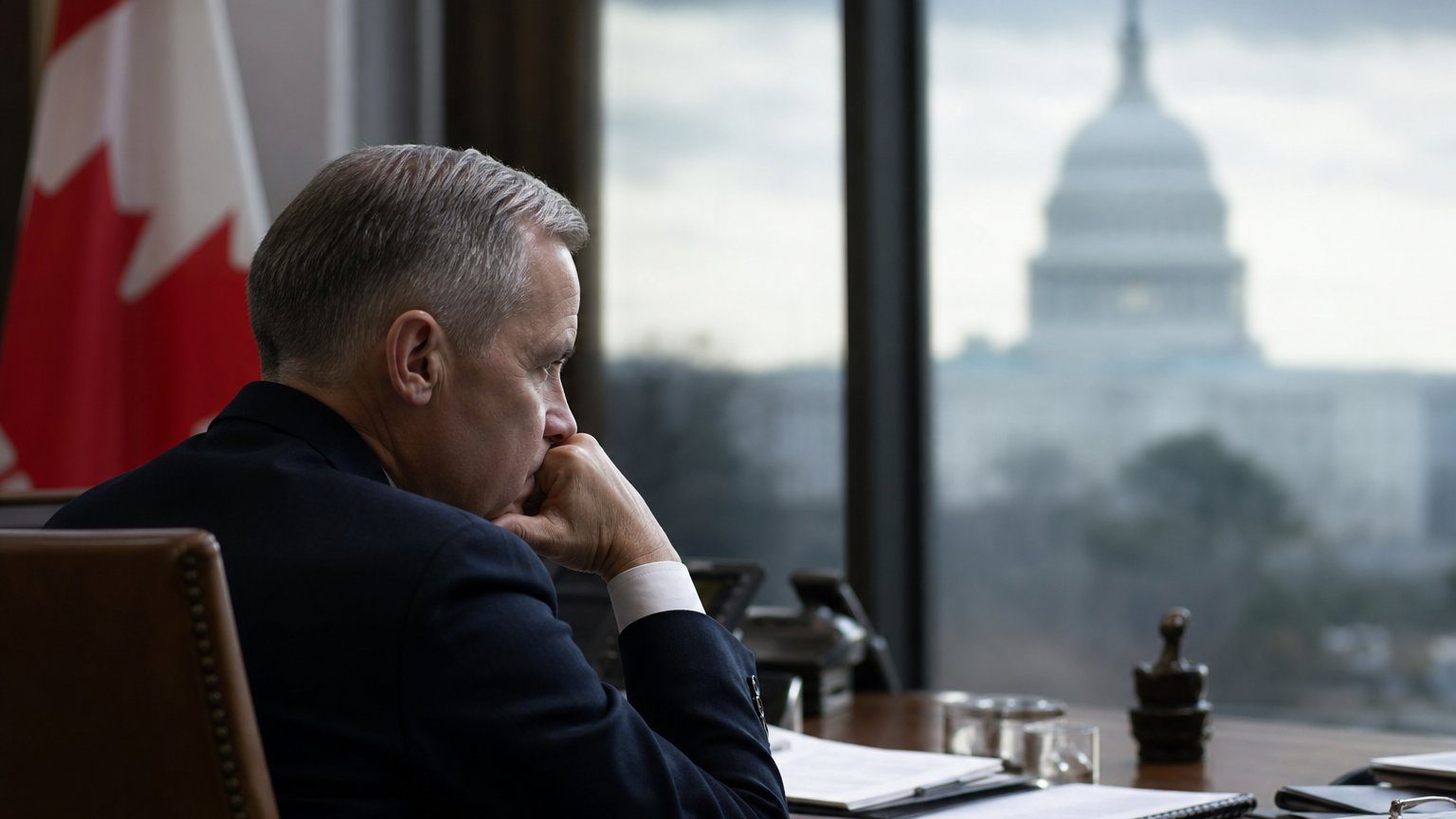
Canada’s tariff response is under review as Mark Carney says trade talks with Washington are intensifying before new U.S. tariffs take effect on August 19.

Canada’s tariff response is coming into sharper focus as the country faces a fast-approaching U.S. deadline. Prime Minister Mark Carney said trade talks with Washington are intensifying before new American tariffs take effect on August 19, and he made clear that Ottawa is not ruling anything out.

After meeting with provincial and territorial leaders on Thursday, Carney said “everything is on the table depending on the outcome of the negotiations.” The Trump administration has announced new 50% tariffs on about C$20 billion worth of Canadian imports, a move that has pushed the dispute into a more urgent phase. Carney said Canada is weighing a mix of responses, including deeper efforts to diversify trade away from the United States and direct support for sectors most exposed to the tariffs. On retaliation, he said there is “a full range of things we can do,” but he did not spell out possible measures. He added, “We are going to support Canadian workers, families, businesses, full stop.”

The latest Canadian tariff response discussion reflects growing pressure inside the country for Ottawa to move faster and harder. Some provincial leaders are pressing for stronger action and quicker results from the negotiations. The new U.S. duties are aimed at goods the Trump administration says receive “unequal treatment,” with Canadian cars, dairy and alcohol among the areas at the center of the dispute. Consumer products such as wine and hockey sticks are on the list, along with industrial goods including cement. At the same time, several major exports are set to avoid the new duties, including energy, potash, critical minerals and fish.

The two countries now have roughly a month to settle the dispute before the tariffs begin. Carney framed that window as both a warning and an opening, saying the deadline is serving as pressure from Washington while also creating an opportunity to move the talks forward. For Canada, that means the next stretch of negotiations could shape both the immediate trade dispute and the broader relationship with its largest trading partner.

The conflict is not limited to the August tariff threat. On Friday, the United States imposed new tariffs on 60 trading partners, including Canada, over claims that they have not done enough to deal with forced labor. Most Canadian goods are exempt from those labor-related tariffs under the North American free trade agreement with Mexico, known as the USMCA. Canada’s Trade Minister Dominic LeBlanc said in a statement that the country has one of the world’s “most robust frameworks to prevent and address forced labour” and said Ottawa will keep engaging Washington on the issue.


Those talks are unfolding against a wider backdrop of slow-moving efforts to renew the trade pact with Mexico. Earlier this year, the United States chose not to renew the USMCA in its current form, saying it wanted changes to the agreement reached during President Donald Trump’s first term. The negotiations have been progressing slowly, and U.S. Trade Representative Jamieson Greer told lawmakers on Wednesday that he hopes interim deals with Canada and Mexico can be ready for consideration before the end of the year. He said tougher issues, including stronger automotive rules of origin and labor and environmental standards, could stretch into next year.

Greer also defended the tariff strategy, saying it is part of a broader effort to protect American workers and address the U.S. trade deficit, which he described as a national emergency. That makes the Canada tariff response more than a bilateral trade fight; it is part of a larger U.S. push to rewrite the terms of trade with close partners. For Americans, the stakes include prices, supply chains and the future rules that govern trade with one of the country’s most important neighbors.

The next move matters because what Ottawa does in the coming days could set the tone for the negotiations, the tariffs and the long-running fight over who gets protected when trade rules change.

Frequently asked questions

When do the new U.S. tariffs on Canadian imports take effect?
They are set to take effect on August 19. Canada and the United States have roughly a month to try to settle the dispute before then.
What products are targeted by the new U.S. tariffs?
The tariffs are aimed at goods the Trump administration says receive unequal treatment, including Canadian cars, dairy, alcohol, wine, hockey sticks and cement. Energy, potash, critical minerals and fish are among the major exports set to avoid the duties.
How is Canada considering responding?
Prime Minister Mark Carney said Canada is weighing deeper trade diversification, direct support for exposed sectors, and possible retaliation. He said there is a full range of things Canada can do but did not detail specific measures.
Are Canadian goods affected by the separate U.S. forced-labor tariffs?
Most Canadian goods are exempt under the USMCA. Canada’s trade minister said Ottawa has one of the world’s most robust frameworks to prevent and address forced labour and will keep engaging Washington.

More from World

View all →
📨

Never Miss a Story

Get the headlines that matter delivered straight to your inbox.