⚡ LATEST
Canadian intern in Nato spy probe held in Belgium

Canadian intern in Nato spy probe held in Belgium

Belgium says a NATO intern in Mons was detained in a NATO spy probe after prosecutors alleged she worked for a third country and tied to a criminal group.

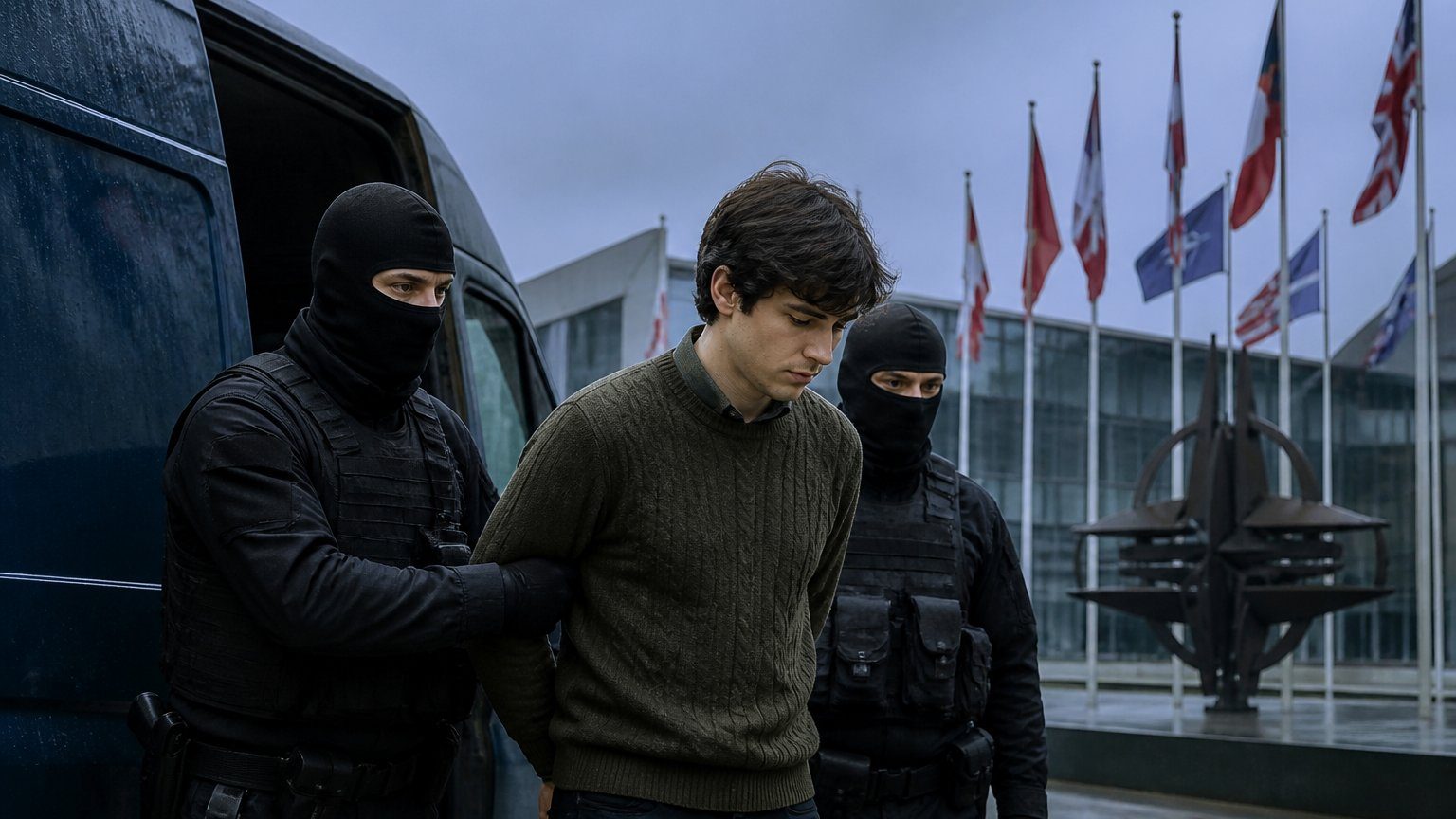
Belgium has placed a Canadian intern at NATO headquarters in pretrial custody after prosecutors said she was suspected in a NATO spy probe linked to a third country. The case centers on work she did at the alliance’s military headquarters in Mons, where Belgian authorities say she was arrested after a tip from NATO security services.

Belgium’s Federal Prosecutor’s Office said the woman is suspected of spying on behalf of a foreign state and of belonging to a criminal organization. Prosecutors said the tip from NATO security services led to searches at both her home and workplace inside NATO headquarters. The woman has not been publicly identified in the material released by authorities, and officials have not said which third country is allegedly involved.

Belgian prosecutors told Euronews that the suspect was ordered to remain in custody for one month while the case moves forward. Reports described behavior that drew attention, including her presence near NATO buildings and questions she was said to have asked. Those details were part of the concern that ultimately brought the matter to the attention of investigators.

The intern worked at NATO’s Supreme Headquarters Allied Powers Europe, known as Shape, which sits at the center of NATO’s Allied Command Operations. That command handles planning and execution of military operations for the alliance, of which both Canada and Belgium are members. NATO has not publicly commented in detail, but the alliance told US media that it remains committed to protecting personnel, classified information, and the trust that supports the organization.

The case also puts a spotlight on how security clearances are handled for people working with international institutions. Shape’s website says host countries are responsible for security clearance checks for interns, depending on the type of work. In this instance, that role would fall to Canada. The website also says the vetting process begins after selection and that the time needed for clearance can vary widely, from eight weeks to 18 months.

Global Affairs Canada has said the government decides whether to grant, deny, or revoke security clearances for Canadians working in international organizations, using security assessments supplied by the Canadian Security Intelligence Service. The BBC also reported that it contacted Canadian police, while the Royal Canadian Mounted Police said it is assisting Belgian law enforcement but would not go further.

Canadian Public Safety Minister Gary Anandasangaree said this week that Canada will keep examining its screening processes and wants to get to the bottom of what happened in this case. The NATO spy probe matters beyond Belgium because it raises hard questions about how allied institutions vet access and guard sensitive information when foreign intelligence threats are believed to be in play.

Frequently asked questions

What is the Canadian intern suspected of doing?
Belgian prosecutors say she is suspected of spying on behalf of a foreign state and belonging to a criminal organization. The alleged activity is tied to her work at NATO’s military headquarters in Mons.
Where was she working when the case arose?
She was working at NATO’s Supreme Headquarters Allied Powers Europe, or Shape, in Mons, Belgium. That command is part of NATO’s Allied Command Operations.
How did Belgian authorities learn about the case?
Belgian authorities said NATO security services provided the tip that led to the investigation. Searches were then carried out at her home and workplace inside NATO headquarters.
What has Canada said about the case?
Public Safety Minister Gary Anandasangaree said Canada will keep examining its screening processes and wants to get to the bottom of what happened. Global Affairs Canada also said it decides whether to grant, deny, or revoke security clearances for Canadians working in international organizations.

More from World

View all →
📨

Never Miss a Story

Get the headlines that matter delivered straight to your inbox.