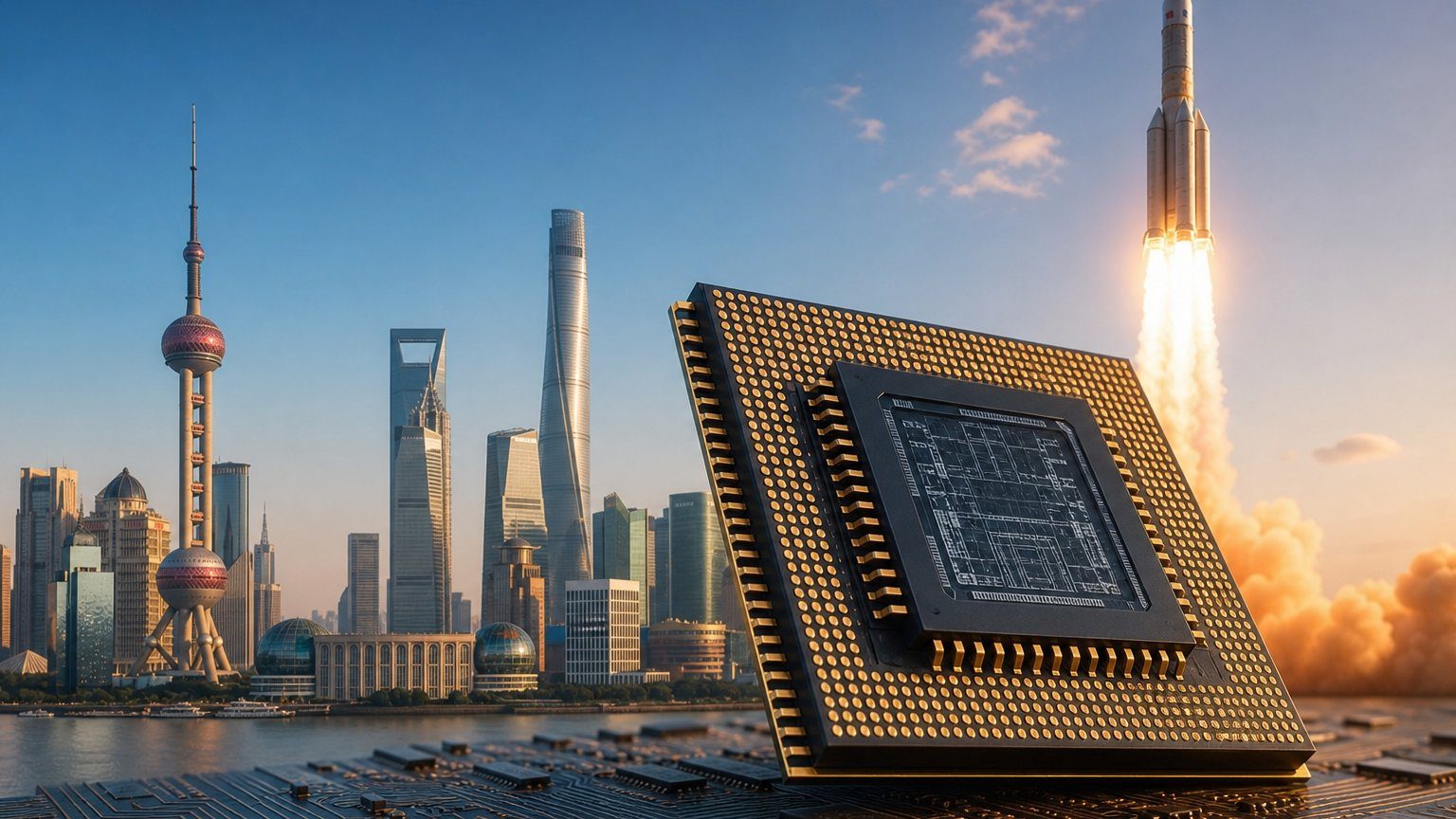
The CXMT chip IPO soared on its Shanghai debut, lifting China’s biggest memory maker to a market value of about 3.3 trillion yuan.
China’s biggest memory chip maker saw its CXMT chip IPO surge on its first day of trading in Shanghai, with shares jumping nearly 470% on the Star Market. The rally pushed ChangXin Memory Technologies’ market value to around 3.3 trillion yuan, or about $487 billion, making it the most valuable listed company in mainland China.
The sharp rise came even as technology stocks have sold off around the world this month. CXMT makes dynamic random-access memory, or Dram, chips used in artificial intelligence data centres, mobile phones, personal computers, tablets and other devices. The company was founded in 2016 by Chairman Zhu Yiming and is based in Hefei, in eastern China’s Anhui Province.
CXMT has said it plans to put most of the money raised in the offering toward expanding production and increasing research and development. That strategy fits squarely with Beijing’s push for a more self-reliant technology sector, and the market’s response suggests Chinese investors are eager to back a domestic champion in a field now dominated by South Korean and American rivals.
Analysts said the scale of the jump was also tied to a tight supply of available shares. Anna Macdonald, investment strategy director at Hargreaves Lansdown, told the BBC’s Today programme that the extraordinary rise came because only 7% of the shares were available for trading. That kind of imbalance can magnify early gains when demand is strong and supply is limited.
“The CXMT chip IPO soared on its Shanghai debut, lifting China’s biggest memory maker to a market value of about 3.3 trillion yuan.”
The rally also lands at a delicate moment for Chinese officials, who have been trying to steady a stock market slump that wiped out more than $1.5 trillion in recent weeks. A strong CXMT chip IPO gives them a rare bright spot, even if it does not erase the broader pressure on markets tied to technology and manufacturing.
The memory chip business itself has been in the spotlight far beyond China. Samsung Electronics, SK Hynix and Micron still dominate Dram production, accounting for around 90% of global output. SK Hynix also recently completed a large New York share sale, and its stock has risen on the back of booming demand for AI chips.
Memory prices have more than doubled in recent months and continue to climb, adding cost pressure for tech firms and consumers. Some companies have already raised the prices of popular products such as tablets and video game consoles, and one TrendForce analyst said increases could continue through the end of 2027. For American readers, the takeaway is simple: the fight over memory chips is shaping prices, supply chains and the balance of power in the tech race.
Frequently asked questions
How much did CXMT shares rise on their first day of trading?
They jumped nearly 470% on the Shanghai Star Market. The surge made ChangXin Memory Technologies the most valuable listed company in mainland China.
What does CXMT make?
CXMT makes dynamic random-access memory, or Dram, chips. These chips are used in AI data centers, mobile phones, personal computers, tablets and other devices.
Why did the stock jump so sharply?
Analysts said the rise was helped by strong demand and a tight supply of shares. Only 7% of the shares were available for trading, which can magnify early gains.
Who dominates the global Dram market?
Samsung Electronics, SK Hynix and Micron dominate Dram production. The article says they account for around 90% of global output.
We value your privacy 🍪We use cookies for essential features and, if you allow it, to send you a notification whenever we publish a new story. See our Privacy Policy.
📨
Never Miss a Story
Get the headlines that matter delivered straight to your inbox.
📱 On iPhone: tap the Share icon, choose “Add to Home Screen”, then open TheTrueDefender from your Home Screen and tap 🔔 to turn on notifications. (Apple only allows notifications for saved web apps.)
📱 Add TheTrueDefender to your home screen for one-tap access.