⚡ LATEST
Delhi Cockroach Protesters Clash Near Parliament

Delhi Cockroach Protesters Clash Near Parliament

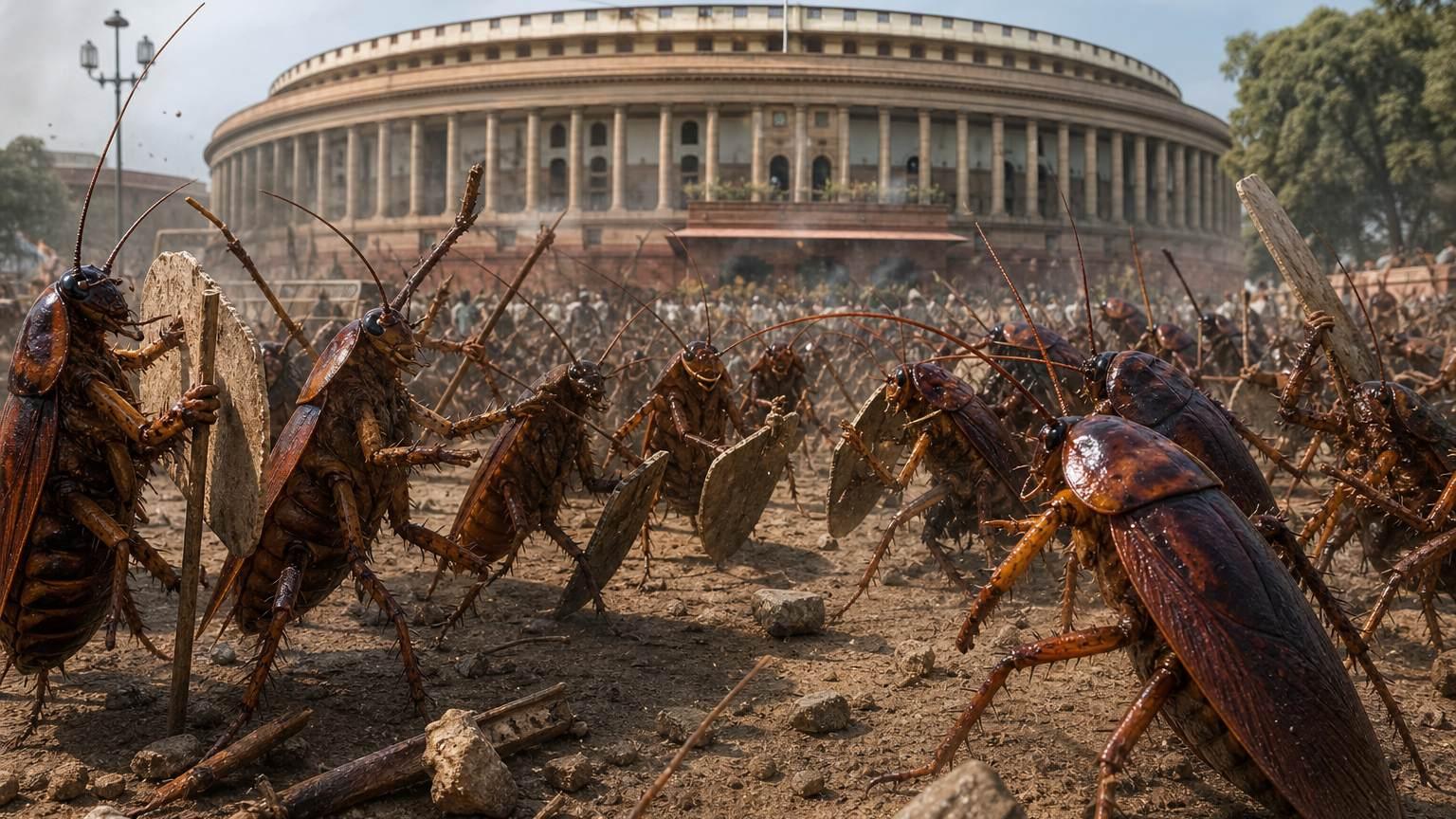
The Cockroach Janta Party protest in Delhi turned tense as thousands pushed toward parliament over alleged exam paper leaks and education reforms.

The Cockroach Janta Party protest in Delhi turned tense on Monday as thousands of supporters defied a police ban and tried to march toward parliament to press for the resignation of India’s education minister. Police moved in with canes and tear gas to break up the crowd in central Delhi, while some protesters said they were injured during the crackdown. Officials did not immediately comment on the reports of injuries.

The confrontation came after weeks of demonstrations over alleged exam paper leaks and accusations that the country’s education system is in deeper trouble. What began as a youth-driven campaign has grown into one of the clearest signs of public frustration with Prime Minister Narendra Modi in recent years. The movement, known as the Cockroach Janta Party or CJP, has tied the leaks to wider complaints about jobs, opportunity, transparency and accountability.

Despite the ban, tens of thousands of students, parents, teachers and professionals gathered early at Jantar Mantar, the 300-year-old observatory in central Delhi, and stayed there through heavy rain. Volunteers handed out food and water. Patriotic songs played from loudspeakers. Protesters painted placards, waved Indian flags and waited for word from the barricades set up around parliament.

As the march started, the crowd spilled into nearby streets before being blocked at one barricade after another. Some people sat on the roadway chanting slogans. Others moved in smaller groups through side streets in an effort to get closer to parliament. Inside the legislature, the opening day of the monsoon session was repeatedly adjourned as opposition members protested over the alleged paper leak and other issues.

Reports from the scene described a rough standoff as police and paramilitary personnel sealed roads leading to parliament. Some protesters said they were struck by batons and returned to Jantar Mantar bleeding or unable to walk easily. Volunteer doctor Gaurish Batra said at least 10 people had been treated, including a man with a blood-soaked shirt collar and a woman with a suspected broken leg. Authorities also suspended mobile internet service in parts of central Delhi, cutting off many demonstrators from messaging apps and social media.

The protest gained fresh energy over the weekend after activist Sonam Wangchuk was taken to hospital on the 21st day of a hunger strike in support of the movement. His wife said the fast was continuing. On Monday, Wangchuk asked doctors to let him leave so he could join the march, but he was not allowed to do so.

By early afternoon, two CJP representatives met Health Minister JP Nadda after waiting outside his residence for about two hours. According to CJP spokesperson Saurav Das, the group handed over a letter outlining its demands, and Nadda said he would raise the issue within the government. Later, Nadda posted on X and urged protesters to end the demonstration and help restore normalcy in the capital. That did little to calm the scene, where many remained at Jantar Mantar hoping the march would still go ahead.

The movement has expanded quickly since its first protest in June, spreading from an online campaign into a broader alliance of students, professionals, activists and opposition politicians across India. That growth matters far beyond Delhi because it shows how quickly anger over schools, exams and opportunity can become a larger test of public trust in government. For Americans watching from afar, the takeaway is clear: when young people believe the system is rigged, the fallout can reach the center of political power fast.

Frequently asked questions

Why were people protesting in Delhi?
They were pressing for the resignation of India’s education minister over alleged exam paper leaks and broader complaints about jobs, opportunity, transparency, and accountability.
How did police respond to the march?
Police blocked the crowd near parliament and used canes and tear gas to break it up. Protesters also said roads were sealed and mobile internet was suspended in parts of central Delhi.
Who joined the protest?
Tens of thousands of students, parents, teachers, and professionals gathered at Jantar Mantar and joined the attempted march.
Did the protesters meet with any government official?
Yes. Two CJP representatives met Health Minister JP Nadda and handed over a letter outlining their demands. Nadda said he would raise the issue within the government.

More from World

View all →
📨

Never Miss a Story

Get the headlines that matter delivered straight to your inbox.