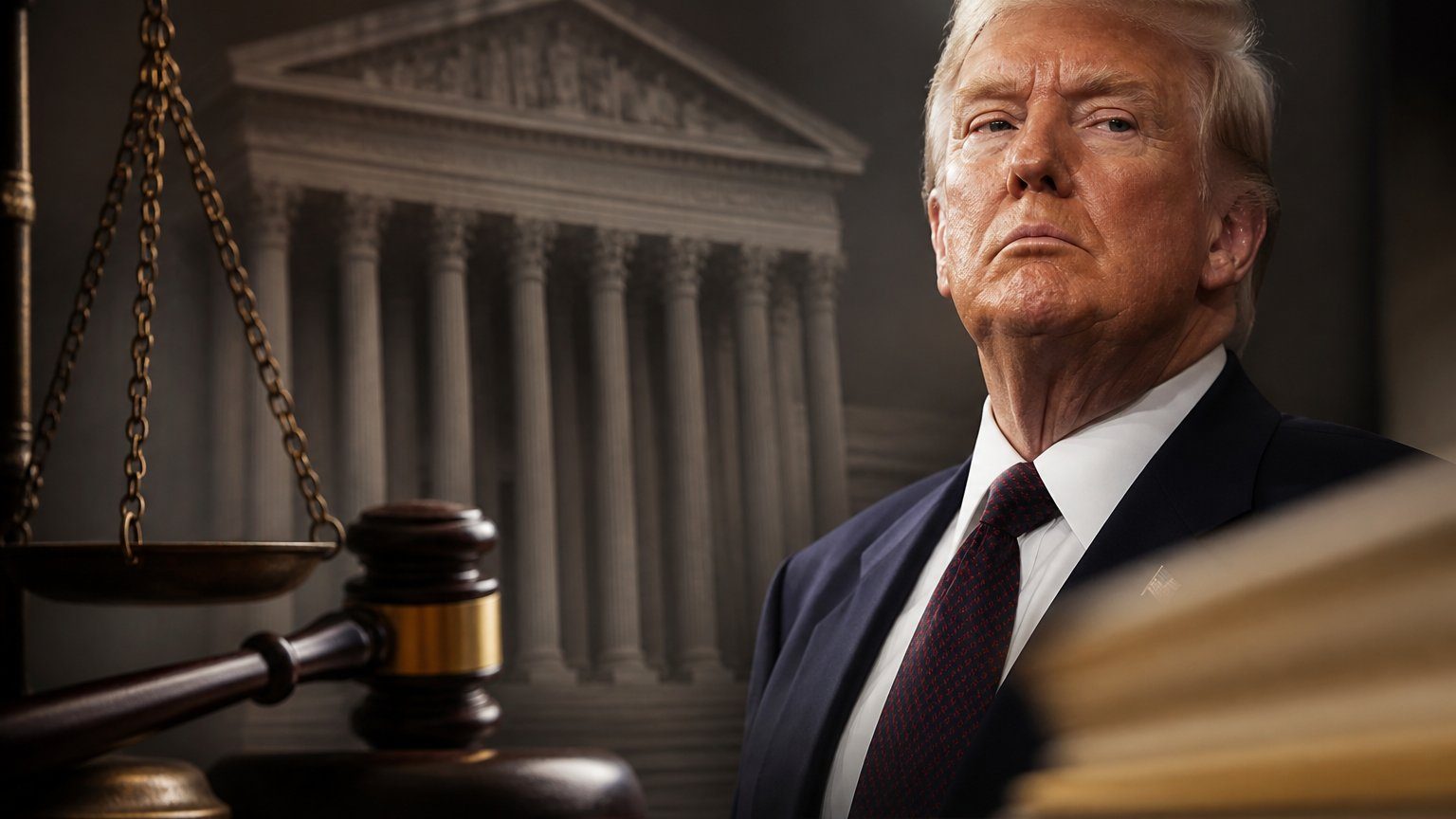
A new Justice Department memo on executive privilege could give President Donald Trump a stronger shield for talks with private advisers as Democrats prepare for more investigations. The opinion says confidential conversations between Trump and private lawyers or advisers can be covered when they relate to the president’s official decision-making.
The 21-page memo, issued Tuesday by the Justice Department’s Office of Legal Counsel and written by Assistant Attorney General Elliot Gaiser, says the need for presidential secrecy extends to private advisers in the same way it applies to government officials. It says people outside the executive branch who give advice in confidence about official presidential duties may invoke executive privilege if Congress subpoenas them. The memo is not binding, but it lays out a clear legal position that could matter in future oversight battles.
The department argued that presidential decision-making depends on candid advice and full information. Without confidentiality, the memo said, a president’s ability to act quickly on major matters would be hindered. It also said private advisers may hold back from speaking freely if they fear public exposure or harm to their personal business interests. That point goes to the heart of the Trump executive privilege dispute: whether advisers outside government should be treated like aides inside it when Congress seeks testimony.
Gaiser’s memo also reached back through American history to make its case. It cited Andrew Jackson’s informal Kitchen Cabinet, Franklin D. Roosevelt’s Brain Trust, Grover Cleveland’s consultations with financier J.P. Morgan during a Treasury gold shortage, and Lyndon B. Johnson’s reliance on trusted friends during the Vietnam War. The message was straightforward: presidents have long turned to outside voices when making decisions, and those conversations may deserve protection when they are tied to executive duties.
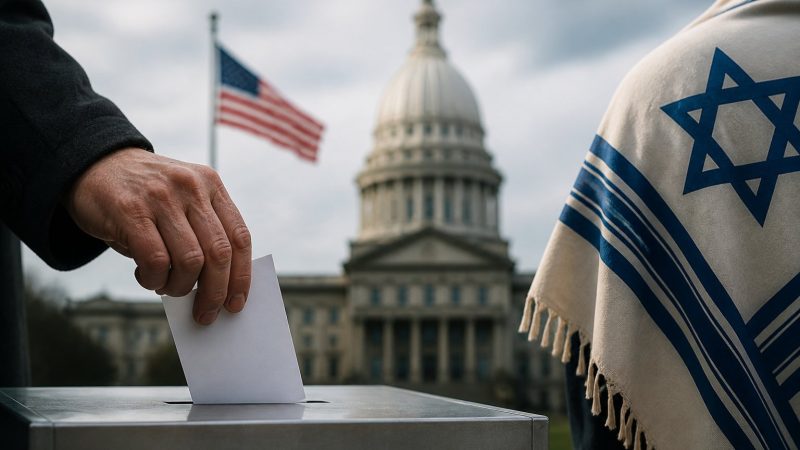
The timing lands well ahead of the midterm elections, when Democrats are trying to win control of Congress and have promised to keep pressing Trump and his family’s business and investment dealings. The memo could complicate those plans if lawmakers try to use subpoenas and hearings to force testimony from private advisers or attorneys who spoke with the president about official matters. In practical terms, it gives Trump allies a new legal argument before any new round of congressional oversight gets underway.