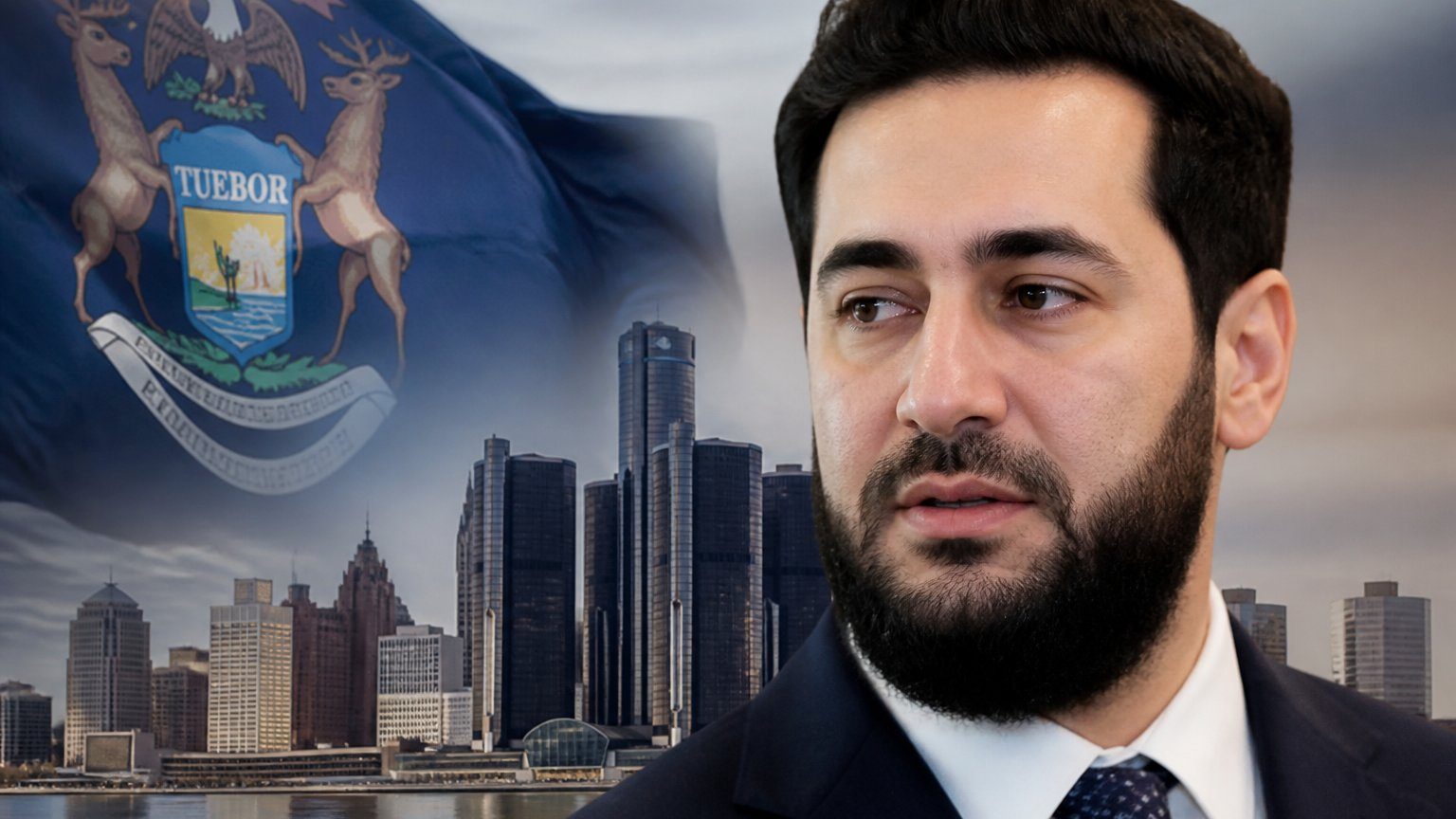
Abdul El-Sayed’s Sharia interview from 2009 has resurfaced just as the Democratic nominee for Senate in Michigan faces fresh scrutiny over his views and associations. In the interview with The New York Times, El-Sayed said he felt religiously bound to live according to Sharia-compliant practices when discussing how he financed a condo in Ann Arbor, Michigan.
“Ultimately, the question is, when I die and I stand before God and go through everything I did in my life, I don’t want to say I did it the easy way instead of the Shariah-compliant way,” El-Sayed told the newspaper. “Not because of fear but because of obligation.” At the time, he was enrolled in medical school and was explaining why he sought a Sharia-compliant mortgage for the purchase.
Sharia law generally bars interest-bearing loans, which is why many Muslim Americans turn to alternative financing structures for home purchases. One common option is a long-term payment arrangement that increases the purchase price instead of charging interest. The resurfaced comments have now become part of the broader fight over El-Sayed’s political identity and the role of religion in his public life.
El-Sayed has also spoken against state efforts to ban Sharia law. In 2022, he criticized Oklahoma voters who approved a referendum to amend the state constitution with such a ban, saying he did not know what it meant but that people voted for it anyway. He linked anti-Sharia efforts to a wider history of racial oppression, invoking the Trail of Tears, Black Wall Street, and the Tulsa massacre as examples of the same forces he said were still active today.
The Michigan Senate race has already drawn notice for El-Sayed’s progressive positions and for his ties to religious figures associated with Louis Farrakhan and the Nation of Islam. Farrakhan has long been a controversial figure, and critics point to his anti-Jewish remarks and other inflammatory statements as part of the concern surrounding those connections. El-Sayed’s campaign spokeswoman, Roxie Richner, said he believes in separation of church and state and personally follows the rules of his faith without wanting any religious group to write its laws into American law.