⚡ BREAKING
Michigan Jewish Vote Could Decide Senate Race

Michigan Jewish Vote Could Decide Senate Race

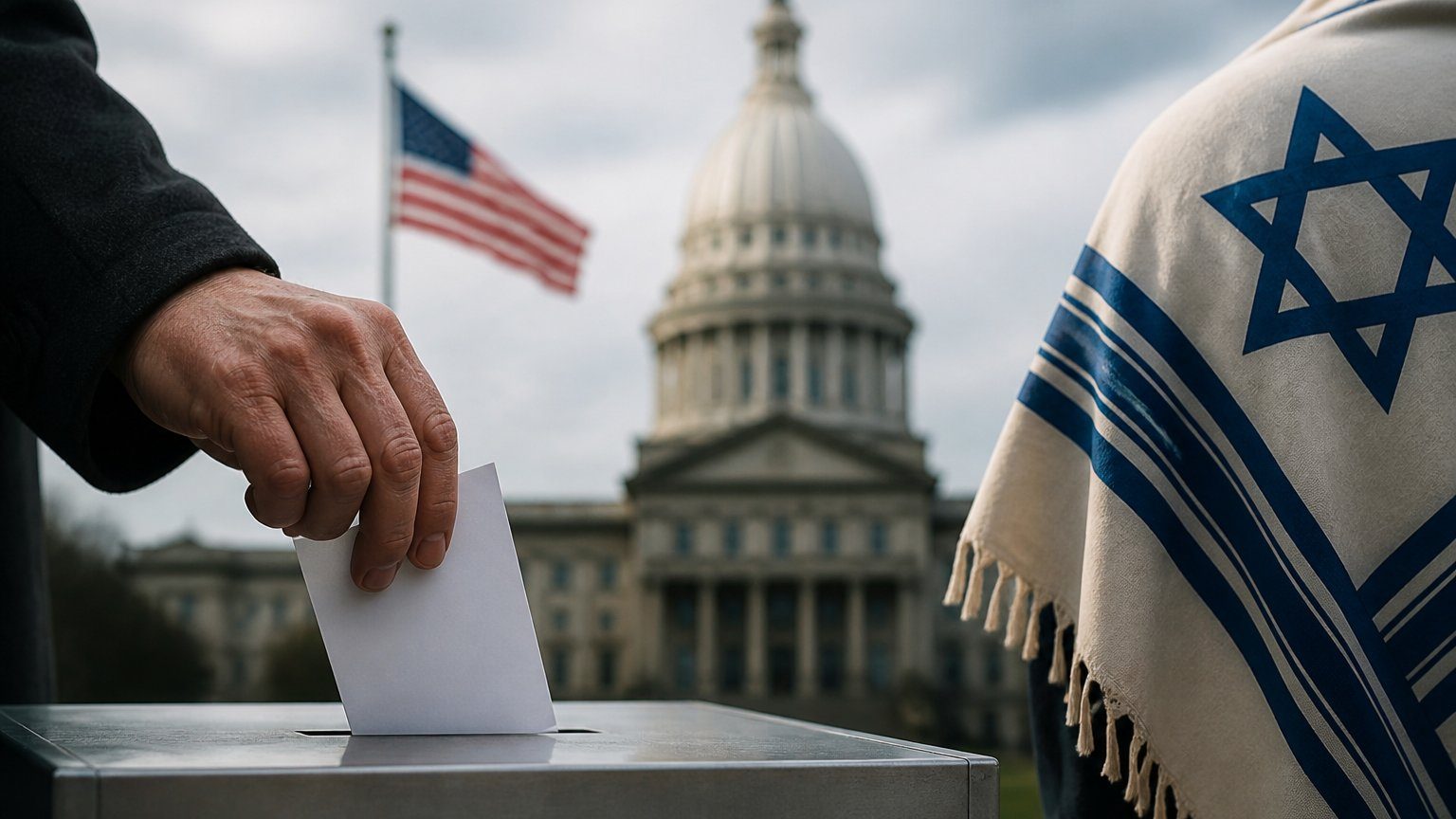
Michigan’s Jewish vote may be small, but in a Senate race this tight, it could decide whether Mike Rogers or Abdul El-Sayed wins.

Michigan’s Jewish vote could become the deciding factor in the state’s Senate race, as some Jewish voters say they are ready to break with their longtime Democratic habits and back Republican Mike Rogers over Democrat Abdul El-Sayed. In a contest already framed by razor-thin margins, even a small shift in one closely watched bloc could matter.

Analysts point to Michigan’s last U.S. Senate race, which was decided by just 19,006 votes. The state’s Jewish adult population is estimated at between about 105,000 and 130,000, with many concentrated in the Detroit suburbs. Republican pollster Matthew Knee said the party has already seen gains in Jewish precincts and argued that both Rogers and El-Sayed could deepen that trend. He noted that Rogers lost his 2024 Senate bid by 19,006 votes, making the Jewish electorate large enough to alter the outcome in a close race. Sam Markstein of the Republican Jewish Coalition said primary results in Oak Park, Bloomfield Township, West Bloomfield and Southfield showed a large advantage for Haley Stevens over El-Sayed, a sign, he said, that many Jewish voters do not support the Democratic nominee.

Interviews with Jewish voters in Michigan showed why the issue has become so charged. Several said El-Sayed’s views on Israel and Zionism have pushed them to weigh party loyalty against concerns about the safety of their families and community. Steve Cohen, a lifelong Michigan resident and self-described ticket splitter, said attacks on synagogues and school buildings have made the climate feel threatening. Benji, a lifelong liberal whose last name was withheld for security reasons, said he now feels caught between progressive politics and the safety of his children. Stacy, from a fifth-generation Democratic Jewish family, said her discomfort grew at the state party convention in April, where she felt hostility toward open supporters of Israel and said she saw the warning signs in the treatment of Stevens.

Those concerns are playing out against a broader backdrop of political realignment. For generations, many Jewish families in Michigan have been strongly tied to the Democratic Party, and Jewish voters have long supplied Democrats with turnout and donations. Jesse Arm of the Manhattan Institute said the reaction to El-Sayed among Jewish Democrats appears unusually strong, with some withholding support while others are moving all the way to Rogers. He also noted that Jewish organizers and fundraisers have described significant opposition to the Democratic nominee. For Republicans, that creates an opening in a state where a relatively small number of votes can swing a statewide race.
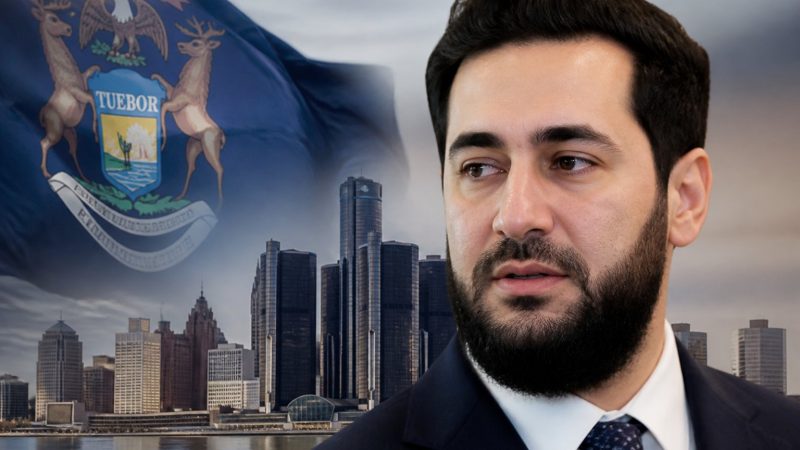
The debate sharpened after the March attack at Temple Israel in West Bloomfield, where an armed attacker drove into the synagogue while about 140 children were present before opening fire. No children, congregants or staff members were physically harmed. Markstein criticized El-Sayed’s response after the candidate first called the attack heinous and later drew criticism for comments that included the phrase “hurt people do hurt people” while discussing violence in the Middle East. El-Sayed has said he condemns antisemitism and is committed to protecting Michigan’s Jewish community, and in a May statement he said he understood what it is like to be discriminated against for how he prays and would always stand against antisemitism.

The Michigan Democratic Jewish Caucus also weighed in after the primary, congratulating El-Sayed while acknowledging frustration and deep disappointment among Jewish Democrats. The group called on him to engage directly with Jewish voters and address the harm caused during the campaign, while also urging Democrats not to walk away from the party. Fox News Digital did not receive responses from El-Sayed’s campaign or the caucus on the concerns raised by the voters interviewed. The Jewish Federation of Detroit pointed to a statement it issued after the primary and said it does not endorse or oppose candidates because of its nonprofit status.

Arm warned that Rogers should not assume the bloc is already locked up, saying El-Sayed will try to present himself as more moderate between now and November. That uncertainty is what makes the Michigan Senate race so important: in a battleground state with a narrow electorate, even a relatively small group of persuadable voters could help decide a seat and show how antisemitism and Israel politics are reshaping older party loyalties.

Frequently asked questions

Why are Michigan’s Jewish voters getting so much attention in this race?
Their numbers are relatively small, but the state’s last Senate race was decided by 19,006 votes. That makes a concentrated and active voting bloc potentially decisive.
What are some Jewish voters saying about Abdul El-Sayed?
Several said his positions on Israel and Zionism have made them question their loyalty to the Democratic Party. They described choosing between liberal values and what they see as community safety.
How did the Temple Israel attack factor into the campaign?
The March attack at Temple Israel in West Bloomfield intensified concern in the community. Critics said El-Sayed’s response after the attack contributed to doubts among Jewish Voters.
Has El-Sayed responded to the criticism?
El-Sayed has said he condemns antisemitism and will protect Michigan’s Jewish community. In a May statement, he said he stands against antisemitism and supports the right to practice faith safely and freely.
Full coverage: Abdul El-Sayed
El-Sayed Sharia Interview Resurfaces in Michigan Race
Up Next · in Politics

El-Sayed Sharia Interview Resurfaces in Michigan Race

3 min read Continue reading

More from Politics

View all →
🇺🇸

The Defender Morning Brief

5 stories Americans need to know. 3 minutes. Every morning. Free.