⚡ LATEST
Earl Walker Jackson condemns Smithsonian 'indoctrination'

Earl Walker Jackson condemns Smithsonian 'indoctrination'

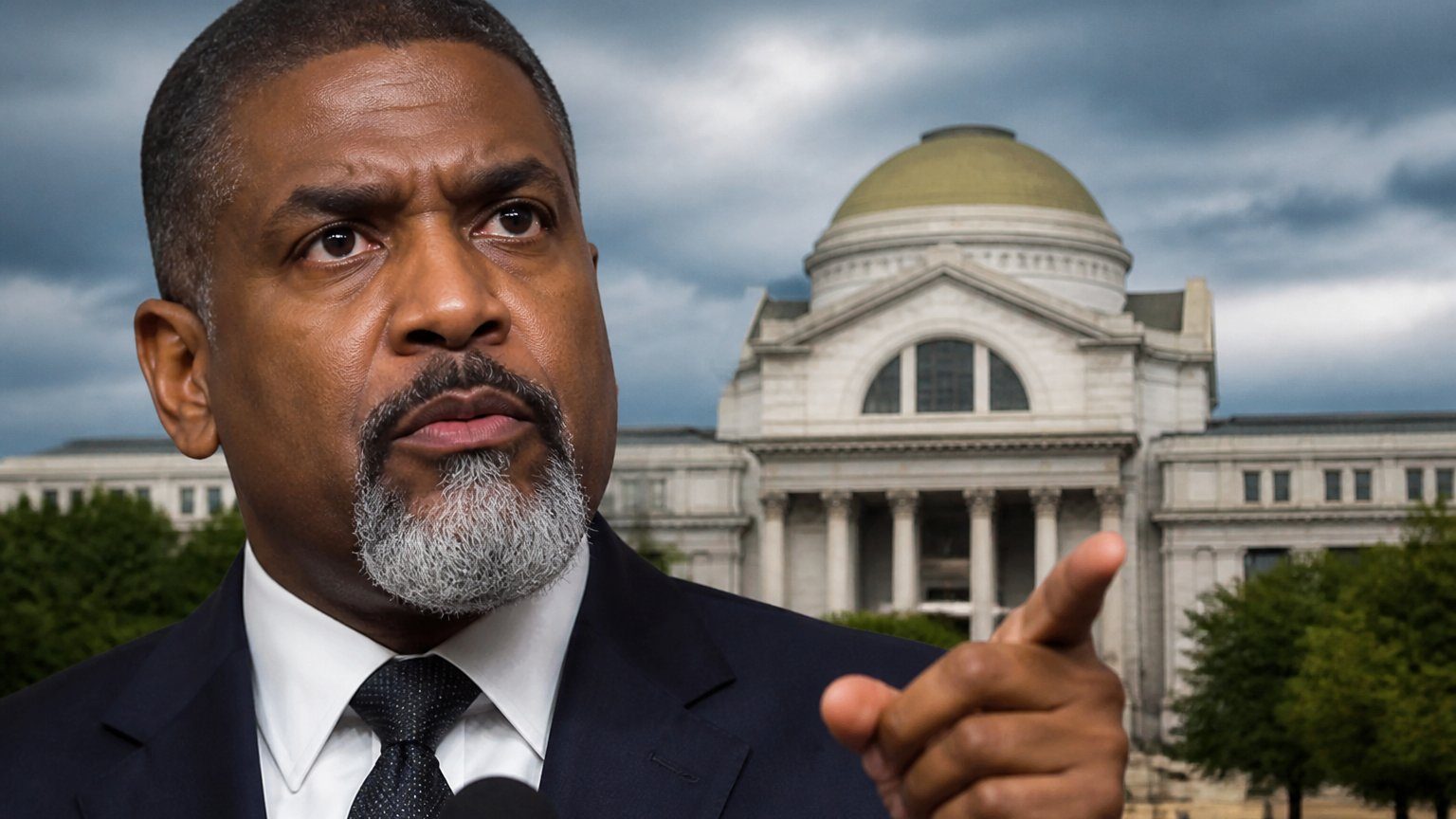
Earl Walker Jackson, a descendant of enslaved ancestors, criticizes the Smithsonian National Museum of American History over what he calls anti-American indoctrination.

Earl Walker Jackson is accusing the Smithsonian National Museum of American History of pushing anti-American indoctrination, and he is doing it from a deeply personal place. The bishop and author, whose great-grandparents were enslaved, says his own family history only strengthens his belief that the United States remains a country of opportunity, freedom and hope.

In an interview with Fox News Digital, Jackson said recent criticism of the Smithsonian from the White House stirred his anger because of what he sees as repeated attacks on the country’s character. He said America is the “greatest nation on earth” and argued that people who reduce the nation to race, class and income miss the blessings it offers. Jackson said being born in the United States is like winning “the proverbial lottery” because it gives people more opportunity than those living anywhere else, in his view.

The remarks come as the Smithsonian National Museum of American History faces sharper public scrutiny over what the White House has called ideological capture. In July, the White House Domestic Policy Council released its 162-page “Saving America’s Story” report, which concluded that the museum had been taken over by a woke worldview. The report pointed to exhibits, placards, curators and museum leadership, and the release was followed by congressional hearings that added more pressure on museum officials.

NMAH Director Anthea Hartig, who has led the museum since 2019, came under particular attention after a resurfaced video showed her describing “history as a practice” as a “prime tool of social justice.” In a February 2025 presentation to University of California, Los Angeles students, Hartig said the country’s long and violent racial history remains part of the national reckoning. She also said redress through reparation should go beyond acknowledging wrongdoing and should help drive correction and restorative justice through history.

Jackson rejected that approach, saying history should present facts and allow the public to reach its own conclusions. He said Hartig’s framing turns history into a tool meant to shape how people think and feel, especially by encouraging bitterness and resentment toward the country. In his view, the problem is not limited to one museum but reflects a wider effort to train Americans to view their nation through grievance rather than gratitude.


Jackson said he has been speaking out about what he sees as this trend for years. In 2015, he confronted the Smithsonian’s National Portrait Gallery over the inclusion of Planned Parenthood founder Margaret Sanger in an exhibit on civil rights leaders. He objected to Sanger’s presence in that context and described her as elitist, a eugenicist, racist, an admirer of Adolf Hitler and someone who spoke for the Ku Klux Klan.

He also traced much of what he sees as ideological influence in schools and other institutions to Howard Zinn’s book, A People’s History of the United States. Jackson called Zinn an anarchist who wrote the book as a polemic against America, and he said the work has been more influential in teaching U.S. history than any other book used in public schools or colleges. He added that it is still in use today and pointed to Zinn Education Project materials that link modern deportation operations to Depression-era deportations, which those materials describe as rooted in racism.

Jackson said the effects of that kind of education can shape how adults view the country, the government and even protests around immigration enforcement. He argued that years of being taught to see America as oppressive leave people unable to appreciate what the nation has given them. For American readers, the fight over the Smithsonian matters because it goes to a larger debate about how the nation’s history should be taught, who gets to frame it, and whether public institutions should present facts or push a political message. That argument is far from settled, and the pressure on the Smithsonian shows it is likely to stay in the spotlight.

Frequently asked questions

Who is Earl Walker Jackson?
He is a bishop and author who says he is a descendant of enslaved ancestors. He told Fox News Digital he sees the United States as a country of extraordinary opportunity.
What is Jackson criticizing the Smithsonian for?
He says the Smithsonian National Museum of American History is advancing an anti-American message and using history to shape public opinion. He pointed to the White House's criticism of the museum and to remarks by Director Anthea Hartig.
Why was Anthea Hartig mentioned in the story?
A resurfaced video showed Hartig calling history a tool of social justice. Jackson pushed back, saying history should present facts and let people decide what they mean.
What larger concern does Jackson raise?
He says similar ideas are influencing schools, media and other institutions, and he blames part of that influence on Howard Zinn's book A People's History of the United States.
Full coverage: Donald Trump
Netanyahu Rejects Trump Gaza Plan Over Hamas Disarmament
Up Next · in World

Netanyahu Rejects Trump Gaza Plan Over Hamas Disarmament

3 min read Continue reading

More from Politics

View all →
📨

Never Miss a Story

Get the headlines that matter delivered straight to your inbox.