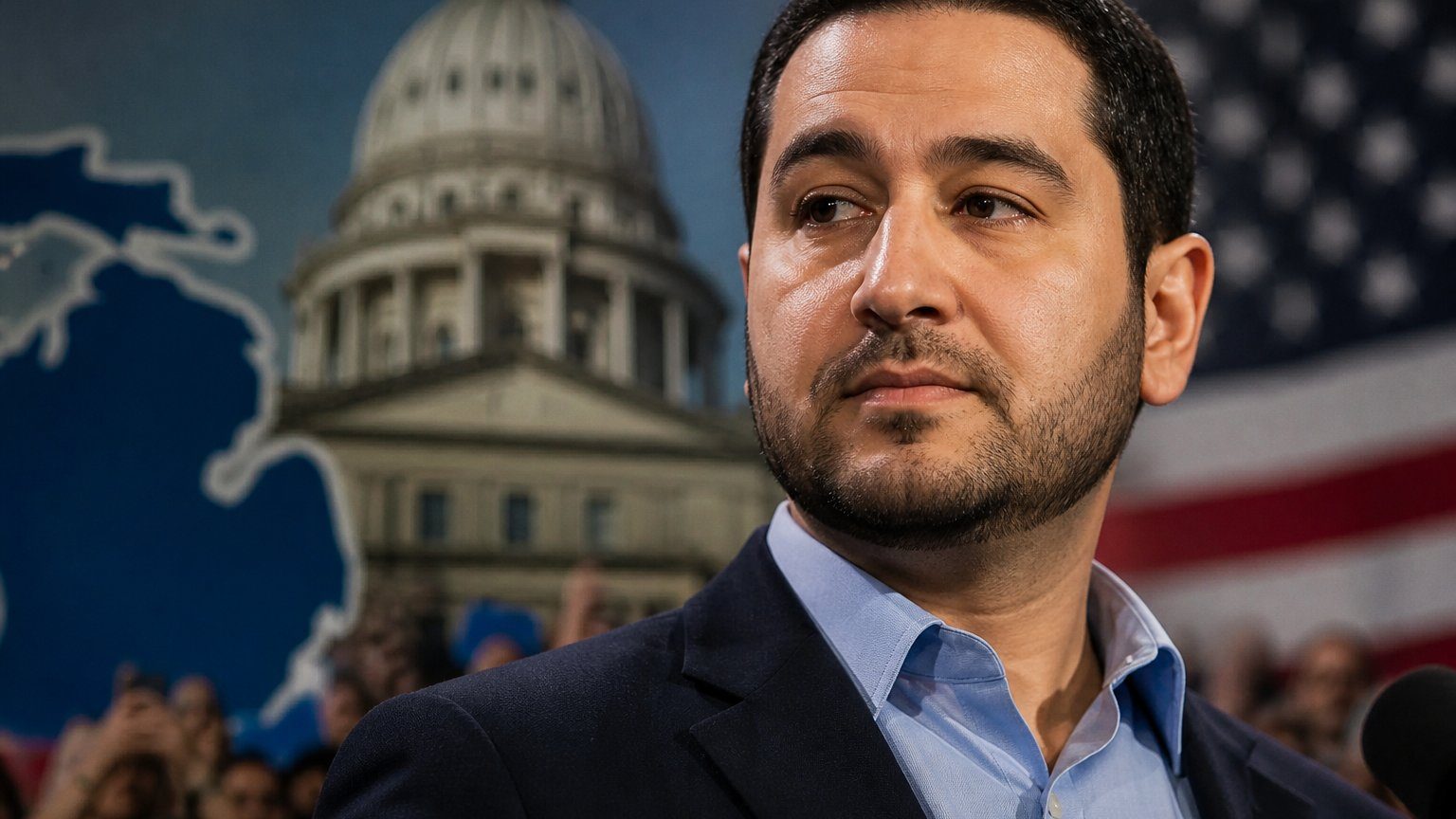
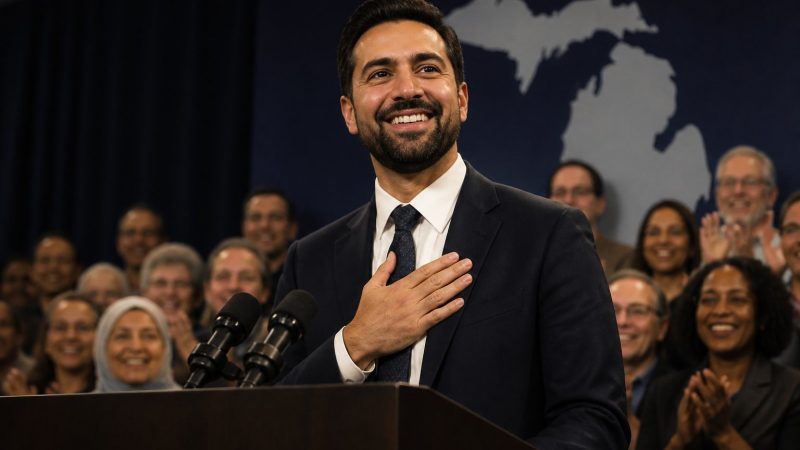
Abdul El-Sayed’s Michigan Senate primary win gives Democrats a left-wing nominee and sets up a risky November fight in a swing state.
Abdul El-Sayed’s Michigan Senate primary win is now reshaping the fall fight for control of Congress. The former state health official defeated Congresswoman Haley Stevens in a Democratic contest that had become one of the most watched primaries in the country, and his victory now puts a left-wing candidate on the ballot in a battleground state where the stakes are unusually high.
El-Sayed, the son of Egyptian immigrants, ran as an unapologetic progressive with backing from Senators Bernie Sanders and Elizabeth Warren and Congresswoman Alexandria Ocasio-Cortez. Stevens had the support of Democratic leaders in Washington, a record in elected office, and heavy financial firepower, including $32 million from Aipac, the American Israel Public Affairs Committee. Outside groups also favored her by a wide margin, but El-Sayed still came through in a race that ended up closer than many pre-election surveys had suggested.
The result carries meaning well beyond Michigan. El-Sayed campaigned on government-backed health insurance, lower drug costs, higher taxes on the wealthy and campaign finance reform, all wrapped in a message about getting money out of politics and more money into voters’ pockets. Democrats now face a plain question: whether that kind of left-wing message can hold together a coalition in a state that will be central to the party’s Senate hopes in November.
He now moves on to a general election against former Republican Congressman Mike Rogers, who ran unopposed. That contest may become one of the clearest tests this cycle of whether a progressive Democrat can win statewide in a true swing state. If El-Sayed cannot broaden his appeal beyond the highly educated liberal voters who helped lift him in the primary, Democrats could face a tougher path to retaking the Senate.
The Michigan result also fits a wider pattern seen on Tuesday night. Across several contests, candidates aligned with Israel faced setbacks in Democratic primaries, including Stevens, who became the highest-profile Aipac-backed candidate to lose. In Michigan House races, Democratic Socialist Donavan McKinney defeated incumbent Shri Thanedar, and William Lawrence, who has called for ending U.S. arms sales to Israel, won a House primary in a district expected to be competitive in November.
Not every race broke that way. In Washington, Congresswoman Marie Gluesenkamp Perez, who supports military aid for Israel, comfortably defeated a left-wing challenger. In Missouri, Wesley Bell held off a comeback attempt by Cori Bush, who had lost to him two years ago in part because of her criticism of Israel. The mixed results suggest Democratic voters are still divided, even as the Michigan primary showed clear appetite in some corners for a sharper leftward turn.
There were also ballot measures in Missouri and Kansas that went against Republicans. Missouri voters rejected a proposal that would have made it harder for citizen-led constitutional amendments to pass, while Kansas voters turned down a measure that would have forced state supreme court justices to stand for election. Both proposals had been pushed by state Republicans and were defeated easily.
Republicans had some good news of their own, especially where Donald Trump’s endorsements were in play. John James won the Michigan Republican governor primary despite being heavily outspent, with Trump backing and appearing alongside him last week. In Kansas, Republicans chose the president’s preferred candidate for governor, and in Washington state’s race to replace retiring Congressman Dan Newhouse, Trump’s pick finished first. The Michigan Senate primary matters because it shows how quickly the Democratic Party’s future may be shifting — and because the outcome in November could help decide who controls the Senate and what kind of politics defines the party’s next chapter.
Abdul El-Sayed’s Michigan Senate primary win is now reshaping the fall fight for control of Congress. The former state health official defeated Congresswoman Haley Stevens in a Democratic contest that had become one of the most watched primaries in the country, and his victory now puts a left-wing candidate on the ballot in a battleground state where the stakes are unusually high.
El-Sayed, the son of Egyptian immigrants, ran as an unapologetic progressive with backing from Senators Bernie Sanders and Elizabeth Warren and Congresswoman Alexandria Ocasio-Cortez. Stevens had the support of Democratic leaders in Washington, a record in elected office, and heavy financial firepower, including $32 million from Aipac, the American Israel Public Affairs Committee. Outside groups also favored her by a wide margin, but El-Sayed still came through in a race that ended up closer than many pre-election surveys had suggested.
The result carries meaning well beyond Michigan. El-Sayed campaigned on government-backed health insurance, lower drug costs, higher taxes on the wealthy and campaign finance reform, all wrapped in a message about getting money out of politics and more money into voters’ pockets. Democrats now face a plain question: whether that kind of left-wing message can hold together a coalition in a state that will be central to the party’s Senate hopes in November.
He now moves on to a general election against former Republican Congressman Mike Rogers, who ran unopposed. That contest may become one of the clearest tests this cycle of whether a progressive Democrat can win statewide in a true swing state. If El-Sayed cannot broaden his appeal beyond the highly educated liberal voters who helped lift him in the primary, Democrats could face a tougher path to retaking the Senate.
“Abdul El-Sayed’s Michigan Senate primary win gives Democrats a left-wing nominee and sets up a risky November fight in a swing state.”
The Michigan result also fits a wider pattern seen on Tuesday night. Across several contests, candidates aligned with Israel faced setbacks in Democratic primaries, including Stevens, who became the highest-profile Aipac-backed candidate to lose. In Michigan House races, Democratic Socialist Donavan McKinney defeated incumbent Shri Thanedar, and William Lawrence, who has called for ending U.S. arms sales to Israel, won a House primary in a district expected to be competitive in November.
Not every race broke that way. In Washington, Congresswoman Marie Gluesenkamp Perez, who supports military aid for Israel, comfortably defeated a left-wing challenger. In Missouri, Wesley Bell held off a comeback attempt by Cori Bush, who had lost to him two years ago in part because of her criticism of Israel. The mixed results suggest Democratic voters are still divided, even as the Michigan primary showed clear appetite in some corners for a sharper leftward turn.
There were also ballot measures in Missouri and Kansas that went against Republicans. Missouri voters rejected a proposal that would have made it harder for citizen-led constitutional amendments to pass, while Kansas voters turned down a measure that would have forced state supreme court justices to stand for election. Both proposals had been pushed by state Republicans and were defeated easily.
Republicans had some good news of their own, especially where Donald Trump’s endorsements were in play. John James won the Michigan Republican governor primary despite being heavily outspent, with Trump backing and appearing alongside him last week. In Kansas, Republicans chose the president’s preferred candidate for governor, and in Washington state’s race to replace retiring Congressman Dan Newhouse, Trump’s pick finished first. The Michigan Senate primary matters because it shows how quickly the Democratic Party’s future may be shifting — and because the outcome in November could help decide who controls the Senate and what kind of politics defines the party’s next chapter.
Abdul El-Sayed’s Michigan Senate primary win is now reshaping the fall fight for control of Congress. The former state health official defeated Congresswoman Haley Stevens in a Democratic contest that had become one of the most watched primaries in the country, and his victory now puts a left-wing candidate on the ballot in a battleground state where the stakes are unusually high.
El-Sayed, the son of Egyptian immigrants, ran as an unapologetic progressive with backing from Senators Bernie Sanders and Elizabeth Warren and Congresswoman Alexandria Ocasio-Cortez. Stevens had the support of Democratic leaders in Washington, a record in elected office, and heavy financial firepower, including $32 million from Aipac, the American Israel Public Affairs Committee. Outside groups also favored her by a wide margin, but El-Sayed still came through in a race that ended up closer than many pre-election surveys had suggested.
The result carries meaning well beyond Michigan. El-Sayed campaigned on government-backed health insurance, lower drug costs, higher taxes on the wealthy and campaign finance reform, all wrapped in a message about getting money out of politics and more money into voters’ pockets. Democrats now face a plain question: whether that kind of left-wing message can hold together a coalition in a state that will be central to the party’s Senate hopes in November.
He now moves on to a general election against former Republican Congressman Mike Rogers, who ran unopposed. That contest may become one of the clearest tests this cycle of whether a progressive Democrat can win statewide in a true swing state. If El-Sayed cannot broaden his appeal beyond the highly educated liberal voters who helped lift him in the primary, Democrats could face a tougher path to retaking the Senate.
The Michigan result also fits a wider pattern seen on Tuesday night. Across several contests, candidates aligned with Israel faced setbacks in Democratic primaries, including Stevens, who became the highest-profile Aipac-backed candidate to lose. In Michigan House races, Democratic Socialist Donavan McKinney defeated incumbent Shri Thanedar, and William Lawrence, who has called for ending U.S. arms sales to Israel, won a House primary in a district expected to be competitive in November.
Not every race broke that way. In Washington, Congresswoman Marie Gluesenkamp Perez, who supports military aid for Israel, comfortably defeated a left-wing challenger. In Missouri, Wesley Bell held off a comeback attempt by Cori Bush, who had lost to him two years ago in part because of her criticism of Israel. The mixed results suggest Democratic voters are still divided, even as the Michigan primary showed clear appetite in some corners for a sharper leftward turn.
There were also ballot measures in Missouri and Kansas that went against Republicans. Missouri voters rejected a proposal that would have made it harder for citizen-led constitutional amendments to pass, while Kansas voters turned down a measure that would have forced state supreme court justices to stand for election. Both proposals had been pushed by state Republicans and were defeated easily.
Republicans had some good news of their own, especially where Donald Trump’s endorsements were in play. John James won the Michigan Republican governor primary despite being heavily outspent, with Trump backing and appearing alongside him last week. In Kansas, Republicans chose the president’s preferred candidate for governor, and in Washington state’s race to replace retiring Congressman Dan Newhouse, Trump’s pick finished first. The Michigan Senate primary matters because it shows how quickly the Democratic Party’s future may be shifting — and because the outcome in November could help decide who controls the Senate and what kind of politics defines the party’s next chapter.
Frequently asked questions
Who did Abdul El-Sayed defeat in the Michigan Senate primary?
He defeated Congresswoman Haley Stevens in the Democratic primary for U.S. Senate.
Who will El-Sayed face in the general election?
He will run against former Republican Congressman Mike Rogers, who was unopposed in the GOP primary.
Why does this Michigan race matter so much?
Michigan is a battleground state, and the race could influence which party controls the U.S. Senate.
What other primary trends stood out on Tuesday?
Several pro-Israel candidates lost Democratic primaries, while Trump-backed Republicans won important nominations in multiple states.
We value your privacy 🍪We use cookies for essential features and, if you allow it, to send you a notification whenever we publish a new story. See our Privacy Policy.
📨
Never Miss a Story
Get the headlines that matter delivered straight to your inbox.
📱 On iPhone: tap the Share icon, choose “Add to Home Screen”, then open TheTrueDefender from your Home Screen and tap 🔔 to turn on notifications. (Apple only allows notifications for saved web apps.)
🔔
Never miss a breaking storyGet free alerts the moment big US news breaks.
1Tap the ••• menu at the bottom of the screen, then tap Share(in Safari, just tap Share in the bottom bar directly)2Scroll down the menu and tap Add to Home Screen3Tap Add in the top-right corner4Open TheTrueDefender from your Home Screen, then tap 🔔 Subscribe and choose Allow
📱 Add TheTrueDefender to your home screen for one-tap access.