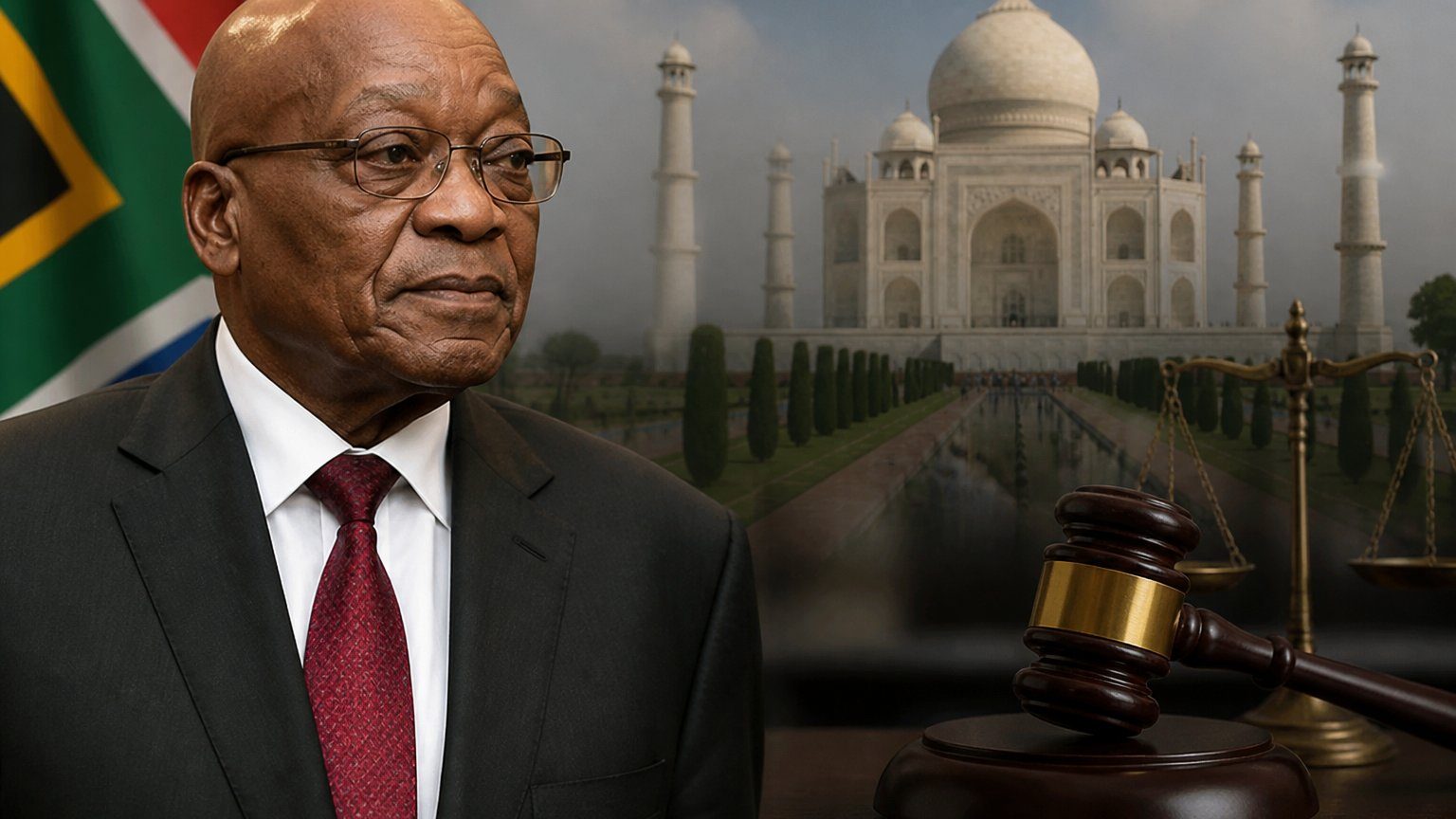
South Africa is considering new rules for ex-leaders’ foreign trips after Jacob Zuma’s India visit triggered anger over a meeting with Ajay Gupta.
South Africa is moving toward tighter rules for former presidents and other former heads of state on foreign trips after the Zuma India trip drew sharp criticism at home. Foreign Minister Ronald Lamola has backed new requirements aimed at adding more transparency before ex-leaders travel abroad, following the uproar over Jacob Zuma’s recent visit to India.
The controversy centered on a photo of Zuma, South Africa’s former president, with Ajay Gupta at an Indian temple. The meeting quickly became politically charged because Ajay Gupta is one of the businessmen linked by investigators and critics to the corruption scandal that helped bring down Zuma’s government. One South African minister reacted angrily, saying Zuma was showing the country the “middle finger.”
Lamola said his department had already sent a recommendation to parliament and the president’s office. Under the proposed approach, former heads of state would need to provide full details of any upcoming trip so officials can assess the support needed and weigh reputational, political, diplomatic and security risks. The Zuma India trip has now become the immediate test case for how South Africa handles the public conduct of its former leaders abroad.
The Gupta name has long carried political baggage in South Africa. About a decade ago, the Gupta brothers were accused of using their close relationship with Zuma to profit and shape government policy. Zuma and the family denied wrongdoing. The family later left South Africa in 2018 after a judicial commission began examining the broader allegations of “state capture,” the term used to describe the extent of the influence they were accused of wielding.
“South Africa is considering new rules for ex-leaders’ foreign trips after Jacob Zuma’s India visit triggered anger over a meeting with Ajay Gupta.”
That inquiry reached a major conclusion in 2022, saying Zuma had hired and fired ministers who were central to the country’s economic management at the behest of the Gupta family. Since then, the legal and diplomatic fallout has continued. South African authorities cancelled an arrest warrant for Ajay Gupta, while the two younger Gupta brothers, Atul and Rajesh, moved to the United Arab Emirates, where a court rejected South Africa’s extradition request in 2023.
Zuma’s political standing has also changed sharply. He has been expelled from the African National Congress, the party he once led, and now heads the opposition uMkhonto we Sizwe party. The India photograph, taken after he met Ajay Gupta, landed in a country still wrestling with the legacy of state capture and public trust in its institutions.
South Africa’s high commissioner to India, Anil Sooklal, was also pictured with Zuma and Ajay Gupta and has since been recalled. Sooklal has denied wrongdoing. The government’s response suggests officials want more control over how former national leaders represent the country overseas, especially when their appearances can reopen old wounds tied to corruption allegations and diplomacy.
That makes the Zuma India trip more than a personal controversy. It has pushed South Africa to rethink how much freedom ex-leaders should have when traveling abroad, and how much oversight the state should keep over the country’s image. For Americans watching global politics, the story is a reminder that the legacy of corruption can linger long after a leader leaves office.
Frequently asked questions
Why did Jacob Zuma’s India visit cause controversy?
He was photographed with Ajay Gupta, a businessman linked to South Africa’s state-capture corruption scandal. The meeting triggered anger from officials and revived long-running political tensions.
What new rules does South Africa want to introduce?
Foreign Minister Ronald Lamola said former heads of state may have to provide full details of upcoming trips. Officials would use that information to assess support needs and possible political, diplomatic, reputational, or security risks.
What happened to the Gupta family after the scandal deepened?
The Gupta Family left South Africa in 2018 after a judicial commission began investigating the allegations. South African authorities later cancelled an arrest warrant for Ajay Gupta, and a UAE court rejected an extradition request for Atul and Rajesh Gupta in 2023.
How has Zuma’s political role changed?
Zuma was expelled from the African National Congress, the party he once led. He now heads the opposition uMkhonto we Sizwe party.
We value your privacy 🍪We use cookies for essential features and, if you allow it, to send you a notification whenever we publish a new story. See our Privacy Policy.
📨
Never Miss a Story
Get the headlines that matter delivered straight to your inbox.
📱 On iPhone: tap the Share icon, choose “Add to Home Screen”, then open TheTrueDefender from your Home Screen and tap 🔔 to turn on notifications. (Apple only allows notifications for saved web apps.)
🔔
Never miss a breaking storyGet free alerts the moment big US news breaks.
1Tap the ••• menu at the bottom of the screen, then tap Share(in Safari, just tap Share in the bottom bar directly)2Scroll down the menu and tap Add to Home Screen3Tap Add in the top-right corner4Open TheTrueDefender from your Home Screen, then tap 🔔 Subscribe and choose Allow
📱 Add TheTrueDefender to your home screen for one-tap access.