⚡ LATEST
Iran executions rise, UN warns of fear campaign

Iran executions rise, UN warns of fear campaign

The Iran executions surge has alarmed the UN rights chief, who says at least 56 people have been put to death since March 19.

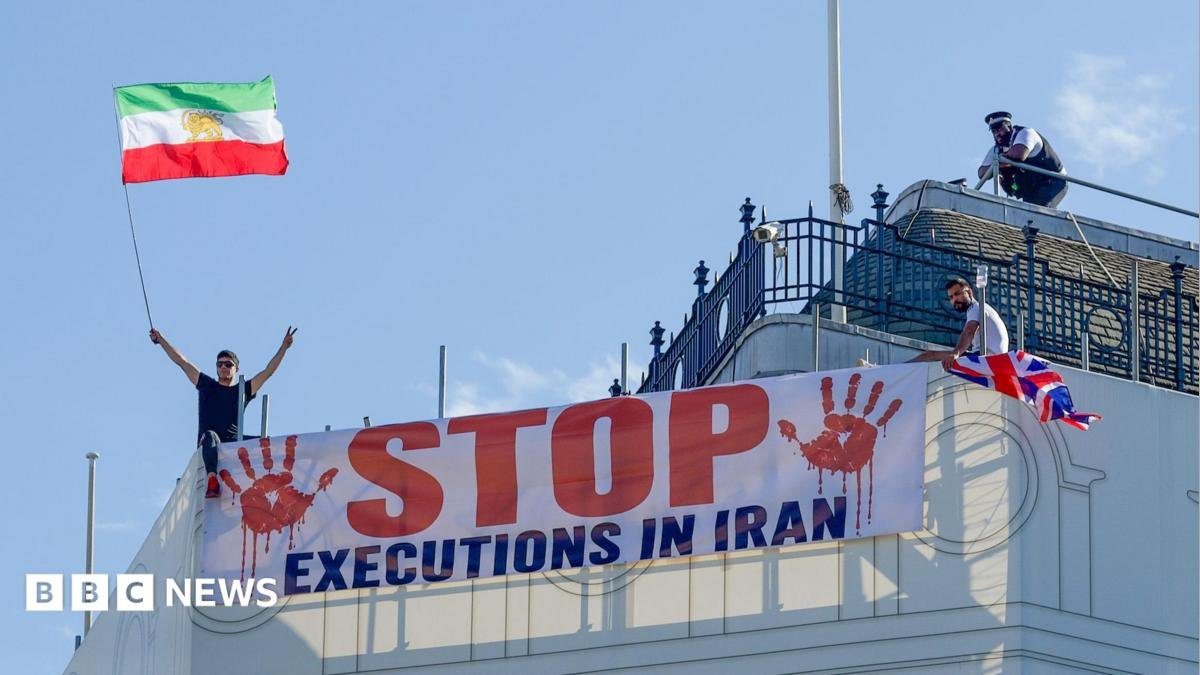
The Iran executions surge has drawn sharp criticism from the United Nations, after the world body’s human rights chief said Tehran is using capital punishment to spread fear and crush dissent. Volker Türk said at least 56 people have been executed on national security-related charges since March 19, including 27 cases tied to January’s nationwide anti-government protests.

Türk also said more than 100 other people face the death penalty on similar charges. He added that executions for drug-related offenses are continuing at what he described as an alarming pace. In his statement, the UN rights chief called on Iranian authorities to stop all executions and move toward abolishing the death penalty altogether, saying such punishment has no place in the modern world.

The concern goes beyond the raw number of executions. Türk said the lack of fair trial protections and due process in these cases is deeply troubling. He pointed to allegations that confessions were obtained through torture and other mistreatment. He also said several executions were reportedly carried out in public, and some happened only weeks after arrest. In one case, he said, 12 defendants were reportedly sentenced to death after a single three-hour closed hearing.

Iran did not immediately comment on Türk’s warning. The government has previously defended the death penalty, saying it is reserved for only the most serious crimes. That defense has done little to calm international alarm, especially as rights groups and activists have warned that the authorities may widen the use of executions against opponents after the January protests and after the US-Israeli war with Iran on February 28.

The scale of the problem is not new. Iran is believed to be the world’s second-most prolific executioner after China. Amnesty International said the country carried out at least 2,159 executions last year, the highest figure it has recorded since 1981. That total included 45 executions of suspected dissidents on national security-related charges, underscoring how closely the death penalty has become tied to political control.
Recent cases show how that pattern is playing out. On Monday, Iran’s judiciary said it executed two men convicted of spying for Israel. The judiciary’s Mizan news agency identified them as Omid Behzad and Pouria Safvat, saying they were accused of passing coordinates, images and other information on sensitive military, law enforcement and security sites to Mossad during the current war and the 12-day conflict in June 2025.

Last week, Iranian Human Rights Activists News Agency reported that 19-year-old Arvin Kheirkhahan was executed after being convicted of the security-related offense of enmity against God over his alleged role in January’s unrest. The same outlet said two other men arrested during the protests, Abolfazl Sepahi Badjani and Amirhossein Safari Hosseinabadi, were executed publicly in a square in Isfahan. They were among 12 people convicted on charges including enmity against God and corruption on Earth in connection with the killing of four law enforcement officers on January 8.

UN human rights experts said those 12 were sentenced in one hearing, in a closed courtroom, without clarity about each defendant’s individual role. For Americans watching from afar, the story is a reminder of how authoritarian governments use courts and executions to enforce power. The Iran executions surge matters because it shows how quickly political unrest can be followed by state violence when legal safeguards are weak or ignored.

Frequently asked questions

What is the UN accusing Iran of doing?
Volker Türk said Iran is using executions to instill fear and suppress dissent. He urged the government to halt all executions and move toward abolishing the Death Penalty.
How many executions has the UN cited since March 19?
Türk said at least 56 people have been executed on national security-related charges since that date. He said 27 of those cases were linked to January’s protests.
What concerns were raised about the trials?
Türk said fair trial and due process guarantees are deeply troubling in these cases. He cited alleged torture, public executions, and cases where death sentences followed brief closed-door hearings.
How has Iran responded?
Iran’s government did not immediately comment on Türk’s statement. It has previously defended the Death Penalty as being limited to the most severe crimes.
Full coverage: Iran
Russian Drone Attack Video Raises War Crime Claims in Kherson
Up Next · in World

Russian Drone Attack Video Raises War Crime Claims in Kherson

3 min read Continue reading

More from World

View all →
📨

Never Miss a Story

Get the headlines that matter delivered straight to your inbox.