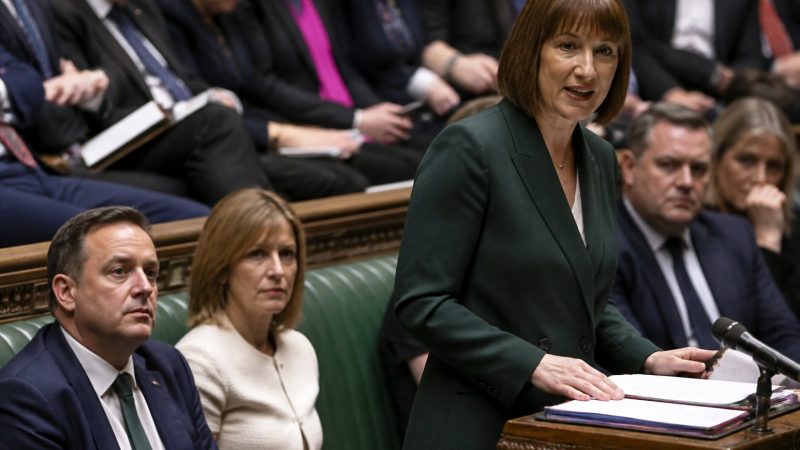
A watchdog has ruled that Sir Keir Starmer’s £270bn defence spending claim was misleading, saying the figure covered total planned spending, not an increase.
A watchdog has found that a defence spending claim made by Sir Keir Starmer and later repeated by the Wales Office and the Ministry of Defence was misleading. The row centres on the defence spending claim that ministers were putting an extra £270bn into the military, when the figure actually referred to the government’s planned total spending over several years.
Sir Keir told MPs in March that the government would spend £270bn more on defence over the course of the Parliament. The same basic message was repeated in June by an MoD spokesman and by the Wales Office on X, where the office said the government was increasing defence spending by £270bn over the Parliament to strengthen national security. The Wales Office later deleted the post.
The UK Statistics Authority said that description was wrong. In a letter to Tory shadow defence secretary James Cartlidge, interim chair Penny Young said it was incorrect and misleading to present the £270bn as an increase in defence spending, or as an extra £270bn. She said the figure represents the proposed overall spending on defence from 2025-26 to 2028-29.
The watchdog also said the Wales Office and the MoD had taken steps that should reduce the chance of the claim being repeated. The Wales Office said the figure had been a mistake and was corrected as soon as it was noticed. It also reviewed its press office lines and quality checks on the topic. The MoD, Young said, had moved to make sure future communications use precise and consistent language when setting out defence spending figures.
“A watchdog has ruled that Sir Keir Starmer’s £270bn defence spending claim was misleading, saying the figure covered total planned spending, not an increase.”
A UK government spokesperson said the government had already acknowledged the wording problem and acted quickly to stop it being copied again. Downing Street said it had nothing to add. BBC Wales reported that the figure had originated with the MoD rather than the Wales Office, which at the time was led by then-Welsh secretary Jo Stevens.
Starmer’s remarks were made in March during evidence to the House of Commons liaison committee, where he said the government had committed to spending 2.5% in 2027 and would meet that target. He tied that pledge to the £270bn figure, presenting it as additional spending over the Parliament. That wording is now at the centre of the dispute.
The episode shows how easily large defence numbers can be turned into political talking points, especially when governments are under pressure to prove they are serious about security. In Westminster, the difference between total planned spending and extra spending is not a technicality; it shapes how voters judge honesty, priority and scale. For Americans watching British politics, the takeaway is simple: when leaders talk about defence, the fine print matters as much as the headline.
Frequently asked questions
What claim did the watchdog challenge?
It challenged the idea that the government was increasing Defence Spending by £270bn. The authority said the figure actually referred to total planned defence spending over the Parliament.
Who repeated the figure?
Sir Keir Starmer used it in March, and similar claims were later repeated by an MoD spokesman and the Wales Office on X.
What did the Wales Office do after the post drew attention?
It deleted the post and said the figure had been a mistake. The office also reviewed its press office lines and quality assurance process.
How did the government respond?
A Uk Government spokesperson said the issue had already been acknowledged and steps were taken to make sure the phrasing was not repeated. Downing Street said it had nothing to add.
We value your privacy 🍪We use cookies for essential features and, if you allow it, to send you a notification whenever we publish a new story. See our Privacy Policy.
📨
Never Miss a Story
Get the headlines that matter delivered straight to your inbox.
📱 On iPhone: tap the Share icon, choose “Add to Home Screen”, then open TheTrueDefender from your Home Screen and tap 🔔 to turn on notifications. (Apple only allows notifications for saved web apps.)
🔔
Never miss a breaking storyGet free alerts the moment big US news breaks.
1Tap the ••• menu at the bottom of the screen, then tap Share(in Safari, just tap Share in the bottom bar directly)2Scroll down the menu and tap Add to Home Screen3Tap Add in the top-right corner4Open TheTrueDefender from your Home Screen, then tap 🔔 Subscribe and choose Allow
📱 Add TheTrueDefender to your home screen for one-tap access.