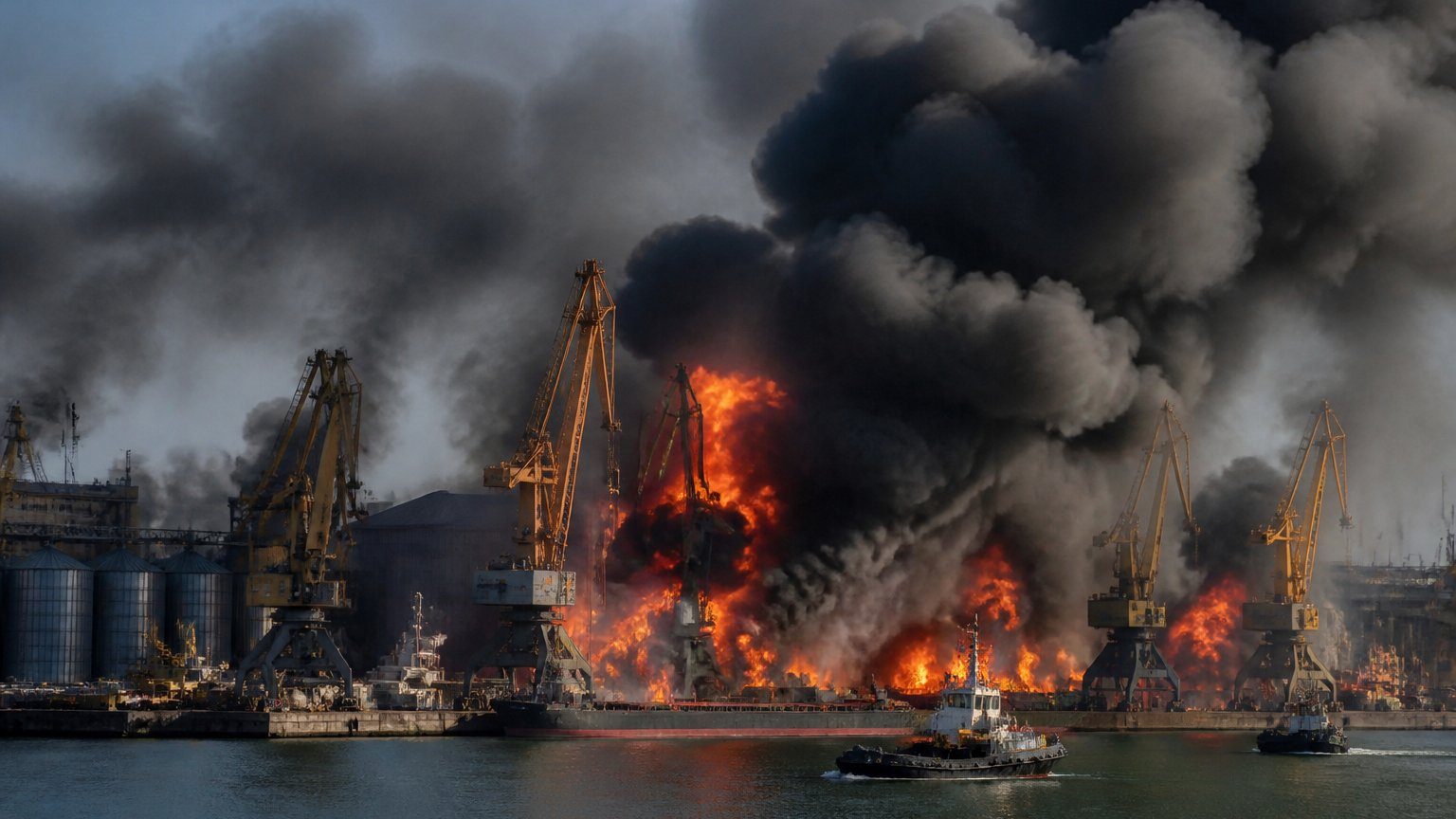
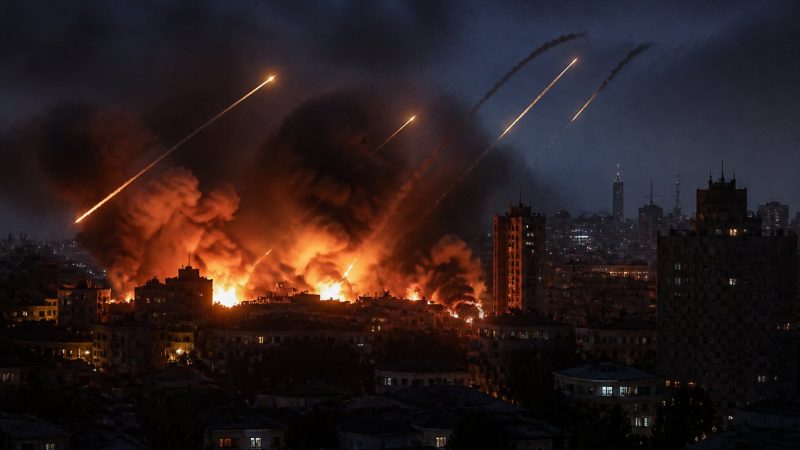
Russia’s attacks on the Odesa port corridor have intensified, leaving docks damaged, ships scarred and Ukraine’s grain exports under strain.
Odesa’s port corridor is under mounting pressure as Russia’s Black Sea strikes hit ships, docks and the workers who keep Ukraine’s trade moving. In the city’s main port, warehouse shift manager Svitlana Halchenko still shows up for work after surviving a Russian ballistic missile attack that killed two of her colleagues.
Halchenko walks with a limp and carries shrapnel in her leg and back, but she says she is determined to keep working. Around her, the signs of the assault campaign are plain: damaged port infrastructure, vessels left listing at berth, bridges blackened by fire and containers still smouldering. Farther out on the water, the approaches to Odesa, Chornomorsk and Pivdennyi are nearly empty.
Port workers say the strain is showing. Halchenko described repeated sirens, drones and strikes as a constant source of fear and tension. Oleg Grygoriuk, chairman of the Marine Transport Workers Union of Ukraine, said some veterans who have already served at the front believe the port is more frightening than the battlefield because missiles launched from Crimea can leave workers only minutes to reach shelter. He said a crane operator would need about three and a half minutes just to get down and get away.
The scale of the recent attacks is unusual even in a war that has already transformed the Black Sea. Ukraine’s port administration says July brought 57 Russian attacks on civilian vessels, including 22 at sea, along with 67 strikes on port infrastructure. The month also saw a deadly attack on the Turkish-owned cargo vessel Golden Leo, which was hit by three Russian missiles on July 19. Nine Indian and Syrian crew members and a Ukrainian pilot were killed, and the ship later sank off Odesa.
Shipping experts have taken notice. Lloyd’s List has said the Black Sea may now be the most dangerous place for shipping, and that July was the deadliest month for merchant seamen since Russia’s full-scale invasion of Ukraine began. For shipowners, the risk is now more than theoretical. Andrey Stavnitser, co-owner and chief executive of one of the region’s largest ports, said there is little appetite to send vessels into an area where crews can be killed.
“Russia’s attacks on the Odesa port corridor have intensified, leaving docks damaged, ships scarred and Ukraine’s grain exports under strain.”
The port shutdown is taking place at the worst possible time for Ukraine’s exporters. Volodymyr Slavinskyi, trading director for Nibulon, said the summer grain harvest is the most sensitive period of the year because farmers need to move crops quickly, sell them and reinvest in the next planting cycle. Ukraine is among the world’s biggest producers of grain and oilseeds, and before Russia’s full-scale invasion it supplied around 6% of global wheat exports and 10% of corn exports.
That wider context helps explain why the attacks carry such weight beyond Odesa. Last year, the Greater Odesa ports handled more than 73 million tonnes of maritime exports, including 38 million tonnes of grain. With little movement now on the Black Sea shipping corridor, Slavinskyi said Ukraine has already lost the ability to deliver roughly half a million to 700,000 metric tons of grains and oilseeds to global customers.
Officials and port executives say the latest wave of strikes comes after Ukraine stepped up its own attacks on Russian shipping, including sanctioned oil vessels and ships supplying Russian-occupied Crimea. Ukraine’s drone campaign, known as Operation MoLoChKa, has hit around 200 Russian vessels and has brought traffic in the Sea of Azov close to a standstill. Even so, Ukrainians reject any suggestion that both sides are playing the same game, arguing that Russia is trying to choke off a major export route while Ukraine is targeting occupation-linked logistics.
For Americans and other global consumers, the stakes go well beyond one battered port city. Ukraine’s grain and oilseed trade helps feed markets far from the Black Sea, so any prolonged disruption can ripple into global supply chains and food prices. The Black Sea strikes now matter because they are not just damaging ships and docks in Odesa — they are putting pressure on the world’s grain supply and raising the cost of doing business across one of the most important export routes on the map.
Frequently asked questions
Why is Odesa’s port corridor under pressure now?
Russia has increased attacks along Ukraine’s Black Sea coastline, hitting civilian vessels and port infrastructure. The strikes have made many shipowners unwilling to send vessels into the area.
How badly has shipping been affected?
The ports around Odesa are functioning technically, but traffic has slowed sharply. Port leaders and traders say the Black Sea corridor is nearly empty, and some cargo has already been lost.
What was the Golden Leo attack?
On July 19, the Turkish-owned cargo ship Golden Leo was hit by three Russian missiles near Odesa. Nine Indian and Syrian crew members and a Ukrainian pilot were killed, and the ship later sank.
Why does this matter beyond Ukraine?
Ukraine is a major exporter of wheat and corn, and its Black Sea ports help supply global markets. Disruptions there can affect food shipments and market prices far beyond the region.
We value your privacy 🍪We use cookies for essential features and, if you allow it, to send you a notification whenever we publish a new story. See our Privacy Policy.
📨
Never Miss a Story
Get the headlines that matter delivered straight to your inbox.
📱 On iPhone: tap the Share icon, choose “Add to Home Screen”, then open TheTrueDefender from your Home Screen and tap 🔔 to turn on notifications. (Apple only allows notifications for saved web apps.)
🔔
Never miss a breaking storyGet free alerts the moment big US news breaks.
1Tap the ••• menu at the bottom of the screen, then tap Share(in Safari, just tap Share in the bottom bar directly)2Scroll down the menu and tap Add to Home Screen3Tap Add in the top-right corner4Open TheTrueDefender from your Home Screen, then tap 🔔 Subscribe and choose Allow
📱 Add TheTrueDefender to your home screen for one-tap access.