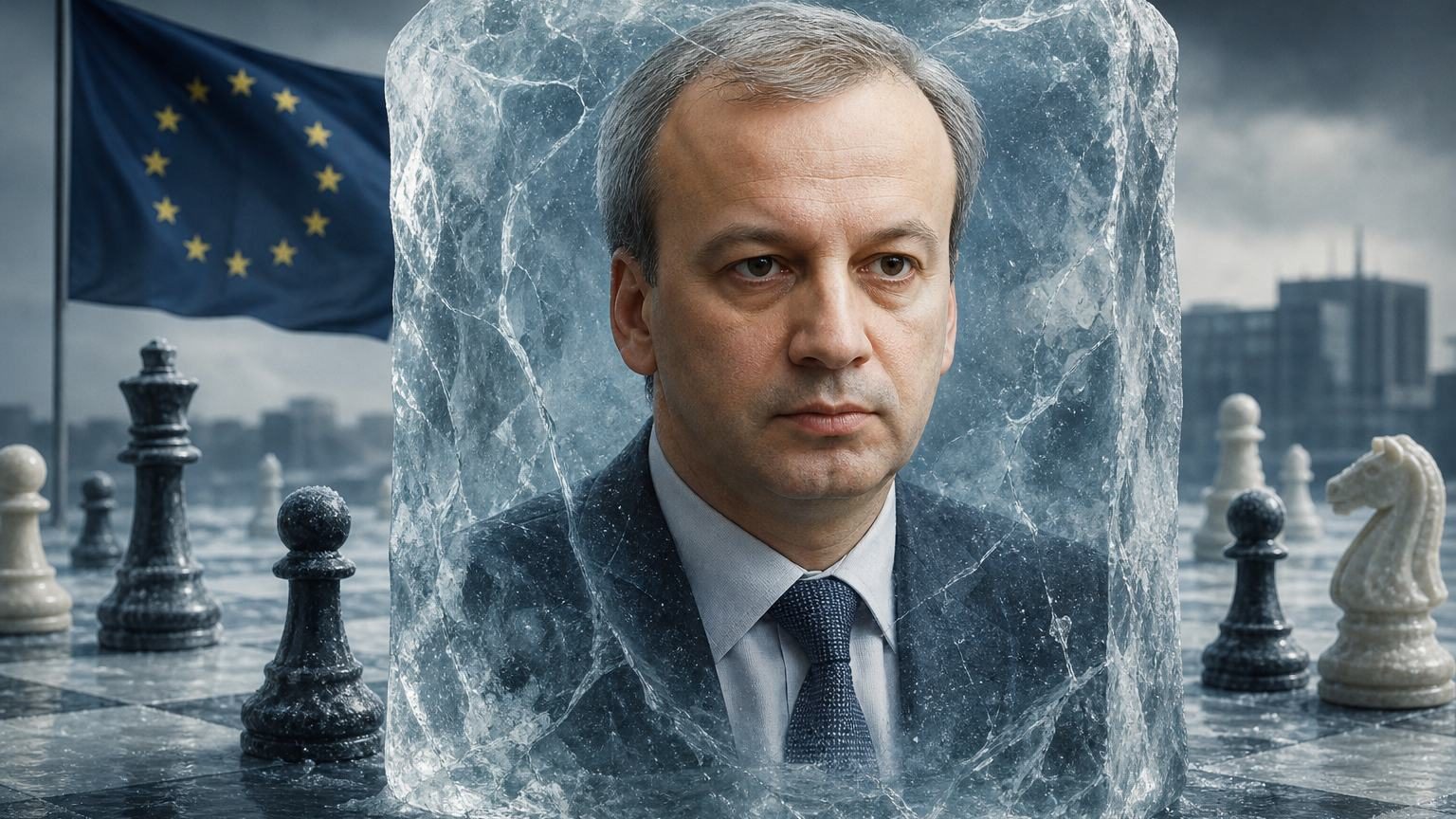
EU sanctions on Arkady Dvorkovich have thrown the future of the FIDE president into doubt after Brussels accused him of backing Russia’s claims in Ukraine.
EU sanctions on Arkady Dvorkovich have pushed the future of the chess chief into uncertainty, after the president of the International Chess Federation said he was stepping aside from his duties. The move has jolted the world of chess and raised fresh questions about who will lead the sport’s top governing body next.
Dvorkovich, who is 54, said he would “voluntarily suspend the exercise of my powers and duties” after being placed on the European Union’s latest sanctions list. He told the BBC he had not resigned. The former Russian deputy prime minister and Kremlin adviser now faces an EU travel ban and an asset freeze, while calling the sanctions “unlawful and unfair” and saying they were intended “to prevent me from running and serving for Fide.”
The European Union said the action was tied to his public support for Russia’s annexation of Crimea and his references to occupied Ukrainian cities as “new territories” of the Russian Federation. The EU also pointed to his role on the board of the Chess Federation of Russia, which has organised tournaments in occupied areas of Ukraine. That has put the issue of EU sanctions on Arkady Dvorkovich at the center of a wider fight over influence in international chess.
Dvorkovich was first elected FIDE president in 2018 and won re-election in 2022. He had planned to seek another term in September, but his standing has now become uncertain. The federation has been led through one of the most turbulent stretches in the game’s modern history, with the war in Ukraine reshaping the international chess landscape.
“EU sanctions on Arkady Dvorkovich have thrown the future of the FIDE president into doubt after Brussels accused him of backing Russia’s claims in Ukraine.”
After Russia’s full-scale invasion of Ukraine more than four years ago, Russian national teams were barred from international chess competitions. Ukraine and its allies argue that Russian influence inside FIDE has only grown under Dvorkovich. Moscow has been accused of mounting what critics call a slow takeover of the federation by changing internal rules and pressuring officials from other countries to back Russia’s positions, accusations Moscow denies.
The pressure on FIDE has not been limited to diplomacy. Two years ago, while Dvorkovich was at the helm, there was an effort to readmit Russian teams and officials. That effort failed in a key vote in September 2024, when the FIDE general assembly chose to keep sanctions in place against Russia and Belarus. The result showed that the battle over the sport’s politics remains far from settled.
Reactions to the sanctions were sharp. Volodymyr Kovalchuk, first vice president of the Ukrainian Chess Federation, said he hoped to never see Dvorkovich in the chess world again and argued that people who advance sport in the interests of an aggressor state should not hold senior international posts. Malcolm Pein, England’s representative to FIDE, called the sanctions “an earthquake” and said they were a major diplomatic win for Ukraine, warning that they could reduce Russia’s long-running influence in chess.
The timing matters because chess is enjoying a global surge, with large audiences, major sponsorships, and high-profile names such as Magnus Carlsen drawing fresh attention to the game. If Dvorkovich does step away for good, the leadership fight inside FIDE could open a new chapter in a sport where power has long carried political weight. For American readers, the takeaway is simple: even in chess, the struggle over Russia, Ukraine, and Western sanctions is still shaping who gets to lead on the world stage.
Frequently asked questions
Why did the European Union sanction Arkady Dvorkovich?
The EU said the sanctions were linked to his public support for Russia’s annexation of Crimea and his description of occupied Ukrainian cities as “new territories” of the Russian Federation. It also cited his role on the board of the Chess Federation of Russia, which has organized tournaments in occupied areas of Ukraine.
Did Arkady Dvorkovich resign as FIDE president?
No. He said he would “voluntarily suspend the exercise of my powers and duties,” but told the BBC he had not resigned.
What sanctions does Dvorkovich now face?
He faces an EU travel ban and an asset freeze.
How have other chess officials reacted to the sanctions?
Volodymyr Kovalchuk of the Ukrainian Chess Federation said he hoped never to see Dvorkovich in chess again. Malcolm Pein, England’s representative to FIDE, called the sanctions “an earthquake” and said they could reduce Russia’s influence in chess.
We value your privacy 🍪We use cookies for essential features and, if you allow it, to send you a notification whenever we publish a new story. See our Privacy Policy.
📨
Never Miss a Story
Get the headlines that matter delivered straight to your inbox.
📱 On iPhone: tap the Share icon, choose “Add to Home Screen”, then open TheTrueDefender from your Home Screen and tap 🔔 to turn on notifications. (Apple only allows notifications for saved web apps.)
📱 Add TheTrueDefender to your home screen for one-tap access.