⚡ LATEST
European Wildfires Rage Near Bordeaux, Madrid

European Wildfires Rage Near Bordeaux, Madrid

Europe wildfires have forced hundreds of thousands to evacuate, as a major blaze near Bordeaux burned more than 162 square miles in days.

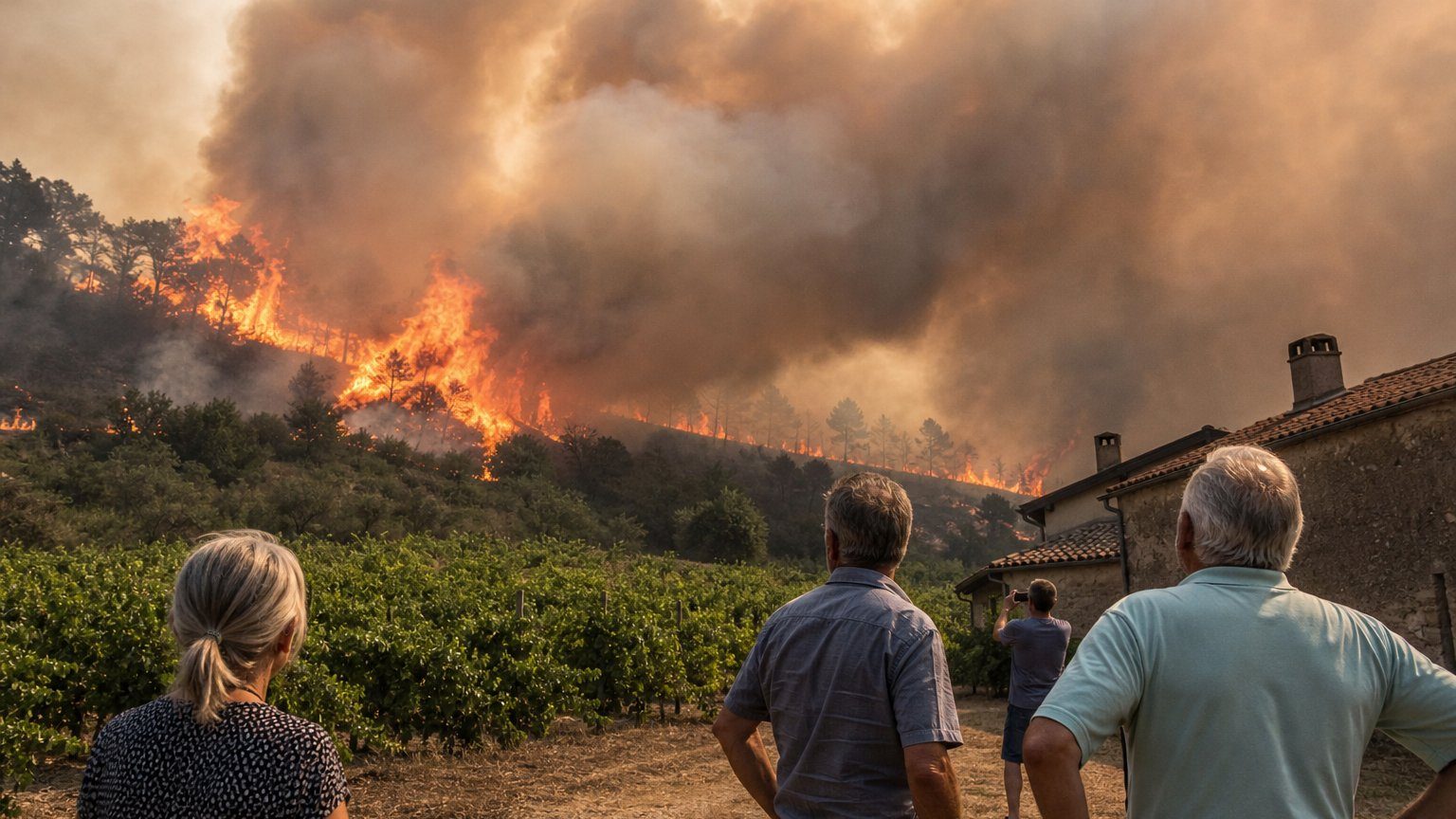
Europe wildfires are driving mass evacuations across France, Spain and Portugal, with one major blaze near Bordeaux burning more than 162 square miles in less than four days. Since mid-July, the fires have pushed more than 300,000 people from their homes as hot, dry weather continues to feed the flames.

In France, the hardest-hit area has been Gironde, where officials say more than 200,000 people have been forced to leave. The fire spread rapidly from July 22 through forests and fields in the country’s well-known wine region, at one point reaching within nine miles of the south of Bordeaux. The city itself was never under serious threat, but the scale and speed of the fire made it one of the most worrying parts of the crisis.

French President Emmanuel Macron visited the affected area and called the fire “completely unprecedented” and the “toughest since World War Two.” In Spain, officials in Madrid said the fires there are the worst the region has ever seen. Francisco Martín, the government delegate in Madrid, described one blaze as “undoubtedly the largest fire in the history of the Madrid region.”

The Europe wildfires have come during a summer of severe heatwaves, and more high temperatures are expected. France and Spain are both facing another sharp rise, with peaks of 41 to 42C forecast in France. Officials and fire crews say those conditions are helping the fires spread faster and burn harder, making the response more difficult.

Outside Madrid, wildfires have burned about 606 square miles since July 1, according to the European Forest Fire Information System. That is more than twice the size of the city itself. In Gironde, the flames also came close to sensitive military and industrial sites, including facilities linked to French ballistic missiles, rocket motors and hazardous chemical processing.
Firefighters have battled the blazes with planes carrying fire retardant and Canadair aircraft that can scoop 6,000 litres of water from lakes or the sea in 12 seconds and drop it directly on the flames. On dangerous days, aircraft patrol high-risk areas in advance so they can respond within minutes, while ground crews and water drops work in tandem to hold the fire lines.

In Gironde, around 2,500 firefighters, 1,500 military personnel and 1,200 police officers and gendarmes have joined the fight. Four French firefighters have died while on duty, officials say, and Gironde official Jean-Luc Gleyze said authorities do not have enough people or equipment to keep up. Near Lacanau, bulldozers, diggers and mechanical shovels were used to cut a firebreak up to 100 metres wide in places, stripping away vegetation so the flames would have nothing left to feed on.

The crisis has also raised fresh debate over climate change and emergency planning across southern Europe. Prime Minister Pedro Sánchez said the climate emergency is getting worse every year and urged unity on fire response, prevention and rebuilding. He also warned regional governments that climate denial is the worst fuel for the fight ahead. For Americans watching from afar, the lesson is plain: extreme heat and fast-moving wildfires are no longer a distant problem, and the next fire season could bring the same kind of strain closer to home.

Frequently asked questions

How many people have been evacuated by the Europe wildfires so far?
Since mid-July, the fires have pushed more than 300,000 people from their homes across France, Spain, and Portugal.
How badly was the area near Bordeaux affected?
A major fire near Bordeaux burned more than 162 square miles in less than four days. It spread through Gironde and at one point reached within nine miles of the south of Bordeaux.
What did French officials say about the fire in Gironde?
Emmanuel Macron called it “completely unprecedented” and the “toughest since World War Two.” Officials also said they did not have enough people or equipment to keep up.
How are firefighters responding to the blazes?
Fire crews are using planes with fire retardant, Canadair aircraft that can scoop and drop water quickly, and large ground crews. In some places, bulldozers and other machinery are cutting firebreaks to stop the flames.

More from World

View all →
📨

Never Miss a Story

Get the headlines that matter delivered straight to your inbox.