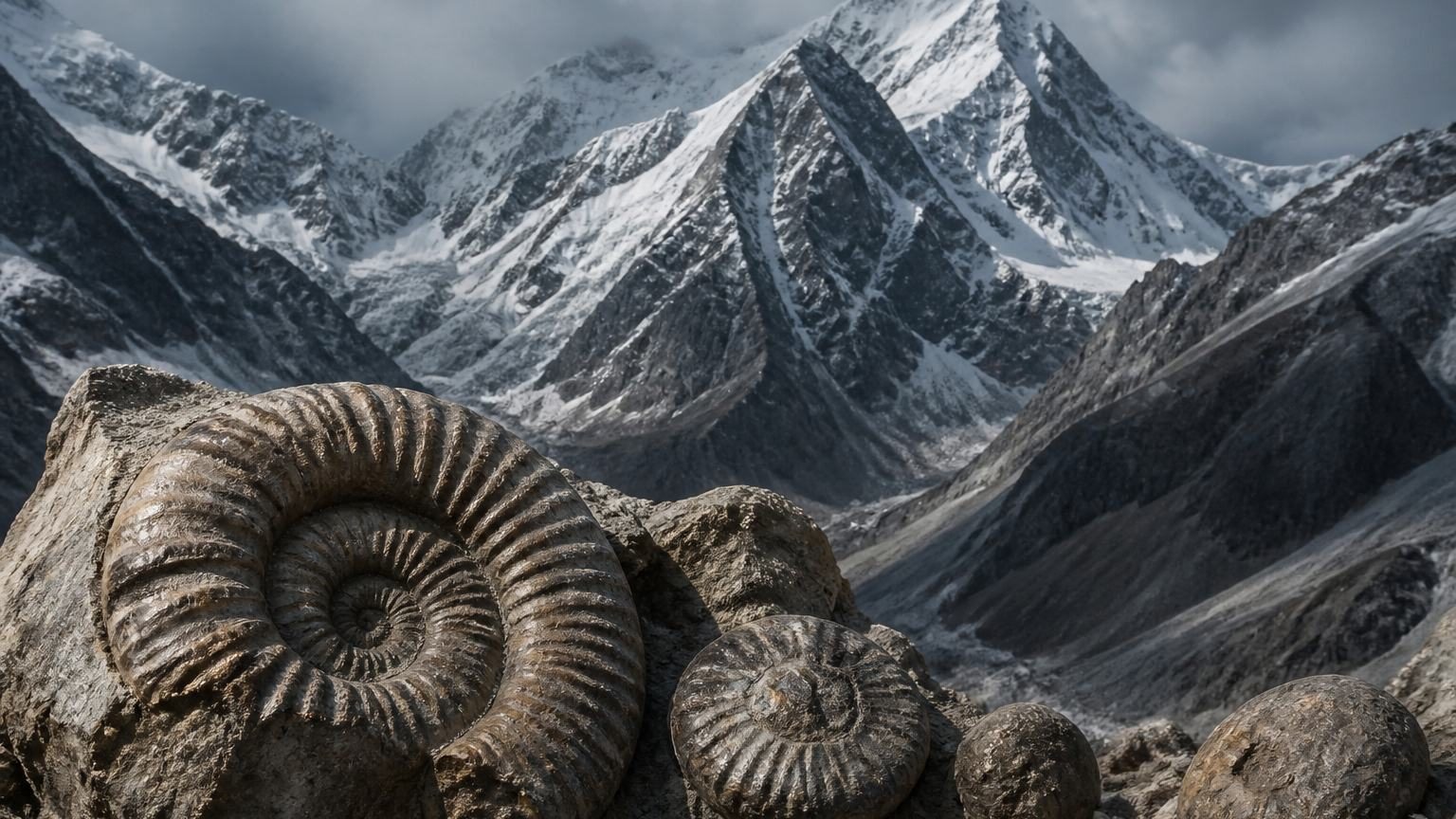
Mount Everest fossils have sparked fresh claims online that the Bible’s Great Flood was real, after a viral post pointed to marine rocks on the summit.
Mount Everest fossils are back in the spotlight after a viral post linked ancient sea life found on the world’s highest mountain to the Bible’s account of Noah’s Flood. The claim has stirred a fresh wave of debate online, with thousands of people weighing whether the summit’s marine rock tells a biblical story or a geological one.
The rocks at Everest’s summit contain the fossilized remains of ancient marine creatures, according to a 2005 finding by the International Union of Geological Sciences. Geologists say the mountain’s limestone formed on an ancient seafloor before being forced upward when two enormous tectonic plates collided about 55 million years ago. That explanation has long been the scientific view of how the peak rose from ocean floor to mountaintop.
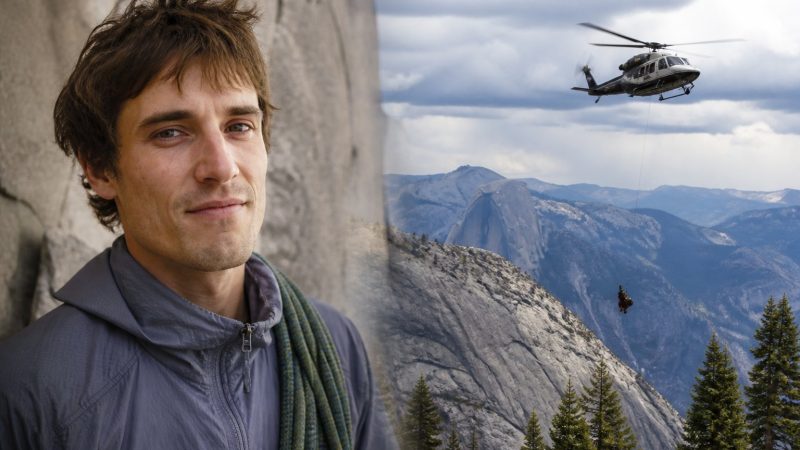
The online uproar came after David J. Harris, a right-wing Newsmax host, posted on X that Mount Everest contains marine rocks and asked whether the Bible mentions that the highest point on Earth was once at the bottom of the ocean. His post has drawn more than 500,000 views and prompted hundreds of comments from users arguing over whether the finding supports the Book of Genesis.
“Mount Everest fossils have sparked fresh claims online that the Bible’s Great Flood was real, after a viral post pointed to marine rocks on the summit.”
The passage Harris referenced describes waters covering “all the high mountains under the whole heaven.” In Genesis, the Great Flood is presented as a divine judgment in which God sends 40 days and nights of rain to wipe out humanity’s wickedness, sparing Noah, his family, and pairs of every animal species on an ark built at God’s instruction. For many believers, the Everest fossils have become a point of discussion in that larger debate over whether the story reflects an actual historical event.
This is not the first time claims about Noah’s Ark have circulated in public view. Last May, American researchers said radar technology had found what could be the remains of Noah’s Ark buried in the mountains of eastern Turkey, about 18 miles south of
Frequently asked questions
Why are Mount Everest fossils drawing attention again?
A viral post on X connected marine rocks on Everest’s summit to the Bible’s Great Flood, prompting widespread debate online.
What do geologists say about Everest’s summit rocks?
Geologists say the limestone formed on an ancient seafloor and was pushed upward when two tectonic plates collided about 55 million years ago.
What Bible passage is being discussed?
The post referenced Genesis, which says the waters covered all the high mountains under the whole heaven during the Flood narrative.
What other Noah’s Ark claim was mentioned?
Last May, American researchers said radar may have found the remains of Noah’s Ark in eastern Turkey, about 18 miles south of Mount Ararat.
We value your privacy 🍪We use cookies for essential features and, if you allow it, to send you a notification whenever we publish a new story. See our Privacy Policy.
📨
Never Miss a Story
Get the headlines that matter delivered straight to your inbox.
📱 On iPhone: tap the Share icon, choose “Add to Home Screen”, then open TheTrueDefender from your Home Screen and tap 🔔 to turn on notifications. (Apple only allows notifications for saved web apps.)
🔔
Never miss a breaking storyGet free alerts the moment big US news breaks.
1Tap the ••• menu at the bottom of the screen, then tap Share(in Safari, just tap Share in the bottom bar directly)2Scroll down the menu and tap Add to Home Screen3Tap Add in the top-right corner4Open TheTrueDefender from your Home Screen, then tap 🔔 Subscribe and choose Allow
📱 Add TheTrueDefender to your home screen for one-tap access.