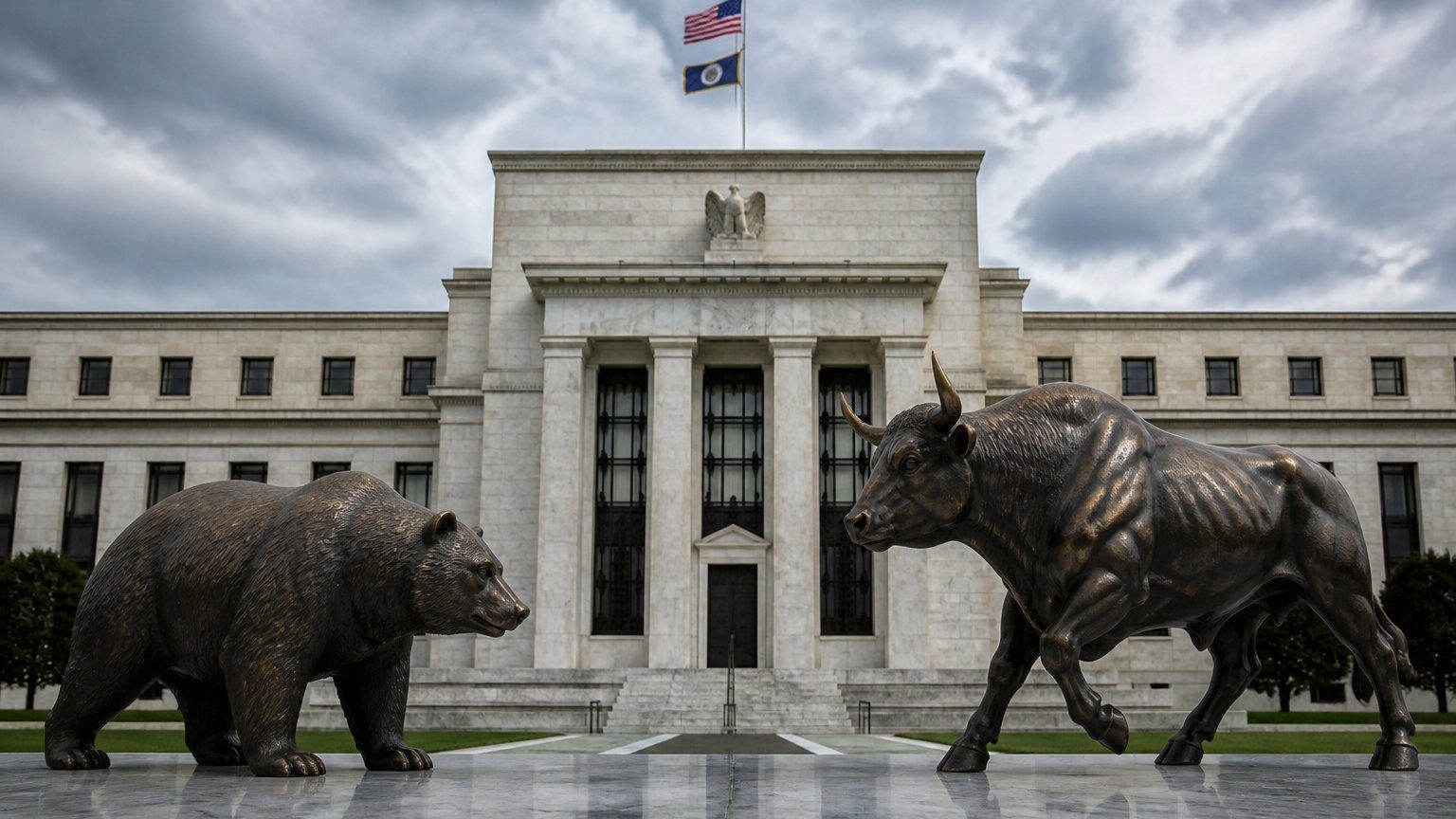
The Fed holds interest rates steady for the fifth straight time, with policymakers warning that inflation and higher oil prices could still bite.
The Fed holds interest rates steady for the fifth straight time, keeping borrowing costs between 3.5% and 3.75% as the central bank weighs inflation, oil prices and uncertainty tied to the conflict in the Middle East.
The decision came on Wednesday and was broadly expected. Policymakers voted nine to three to keep rates unchanged, while the three dissenters wanted a small increase. The Federal Reserve said inflation remained elevated, in part because of rising energy prices, even as it said US economic activity was expanding at a solid pace despite the uncertainty.
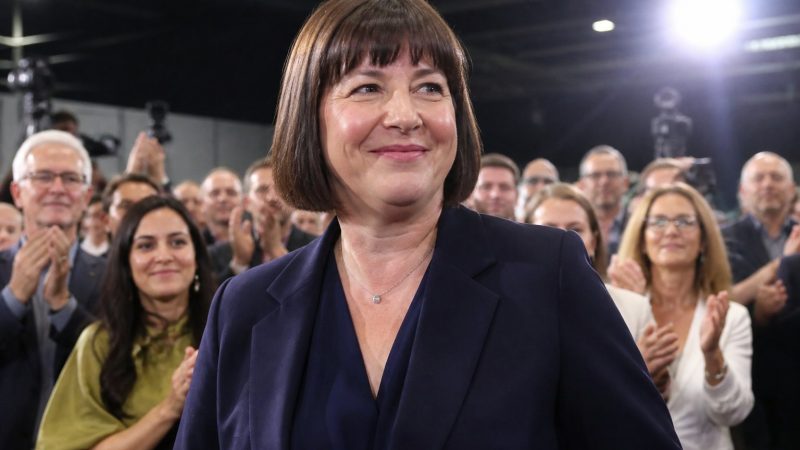
Fed chairman Kevin Warsh said there was no quick fix for the cost of living pressure facing Americans. He repeated his promise to bring inflation down, but said that would take time. He also pushed back on the idea that the central bank could simply solve the problem with a sudden move, telling reporters that the Fed cannot wave a magic wand to ease prices for households.
Warsh said the board has only been in place for eight and a half weeks and argued that the Fed is focused on the job ahead. He also said he wanted a “family fight” inside the room and said there was strong support for the final decision. That language reflected a sharp but contained debate over whether to hold rates or move higher in anticipation of possible new price pressure.
The backdrop for the Fed holds interest rates story is the growing unease over energy markets. Brent crude, the global oil benchmark, rose by more than six percent on Wednesday to above $89 a barrel. The conflict in the Middle East has raised concerns that oil could climb further, which would feed into consumer prices and make the Fed’s job harder.
“The Fed holds interest rates steady for the fifth straight time, with policymakers warning that inflation and higher oil prices could still bite.”
Inflation has eased from earlier highs, falling to 3.5% in the year to June, but that still leaves it above the Fed’s 2% target. That distinction matters because many Americans are still dealing with high everyday costs even when the pace of increases cools.
The Fed’s tool is straightforward in theory and painful in practice. Higher rates make mortgages, loans and credit cards more expensive, which is meant to discourage spending and slow price growth. The upside for savers is better returns. But for households already stretched by years of higher prices, the tradeoff can feel immediate and harsh.
Markets took the decision badly. US stocks ended lower, with the S&P 500 falling to its lowest level in a month, the Nasdaq sitting about 9% below its June record high and the Dow Jones dropping 2.19% on the day. Investors have also been rattled by declines in AI-chip shares and worries about how much major tech firms are spending on AI infrastructure and development.
This rate decision carries clear political and economic weight as President Donald Trump watches the Fed closely and mid-term elections draw nearer. The new chairman says he wants no politics in the process, but the pressure on the central bank is obvious. For American families, the key point is simple: the Fed is still trying to beat inflation without tipping the economy into more pain, and energy prices may decide how hard that fight becomes.
Frequently asked questions
What did the Fed decide on interest rates?
It kept rates unchanged for the fifth straight time, leaving borrowing costs between 3.5% and 3.75%.
Why did the Fed leave rates steady?
Officials said inflation was still elevated, including because of rising energy prices, while US economic activity remained solid.
How did the Fed vote on the decision?
The vote was nine to three to hold rates steady. The three dissenters wanted a small increase.
How did financial markets react?
US stocks fell after the announcement. The S&P 500 hit its lowest level in a month, the Nasdaq was about 9% below its June record high, and the Dow fell 2.19%.
We value your privacy 🍪We use cookies for essential features and, if you allow it, to send you a notification whenever we publish a new story. See our Privacy Policy.
📨
Never Miss a Story
Get the headlines that matter delivered straight to your inbox.
📱 On iPhone: tap the Share icon, choose “Add to Home Screen”, then open TheTrueDefender from your Home Screen and tap 🔔 to turn on notifications. (Apple only allows notifications for saved web apps.)
📱 Add TheTrueDefender to your home screen for one-tap access.