A Hamas disarmament plan could ease Gaza’s future, but mistrust, politics, and the war’s wreckage make any deal hard to trust.
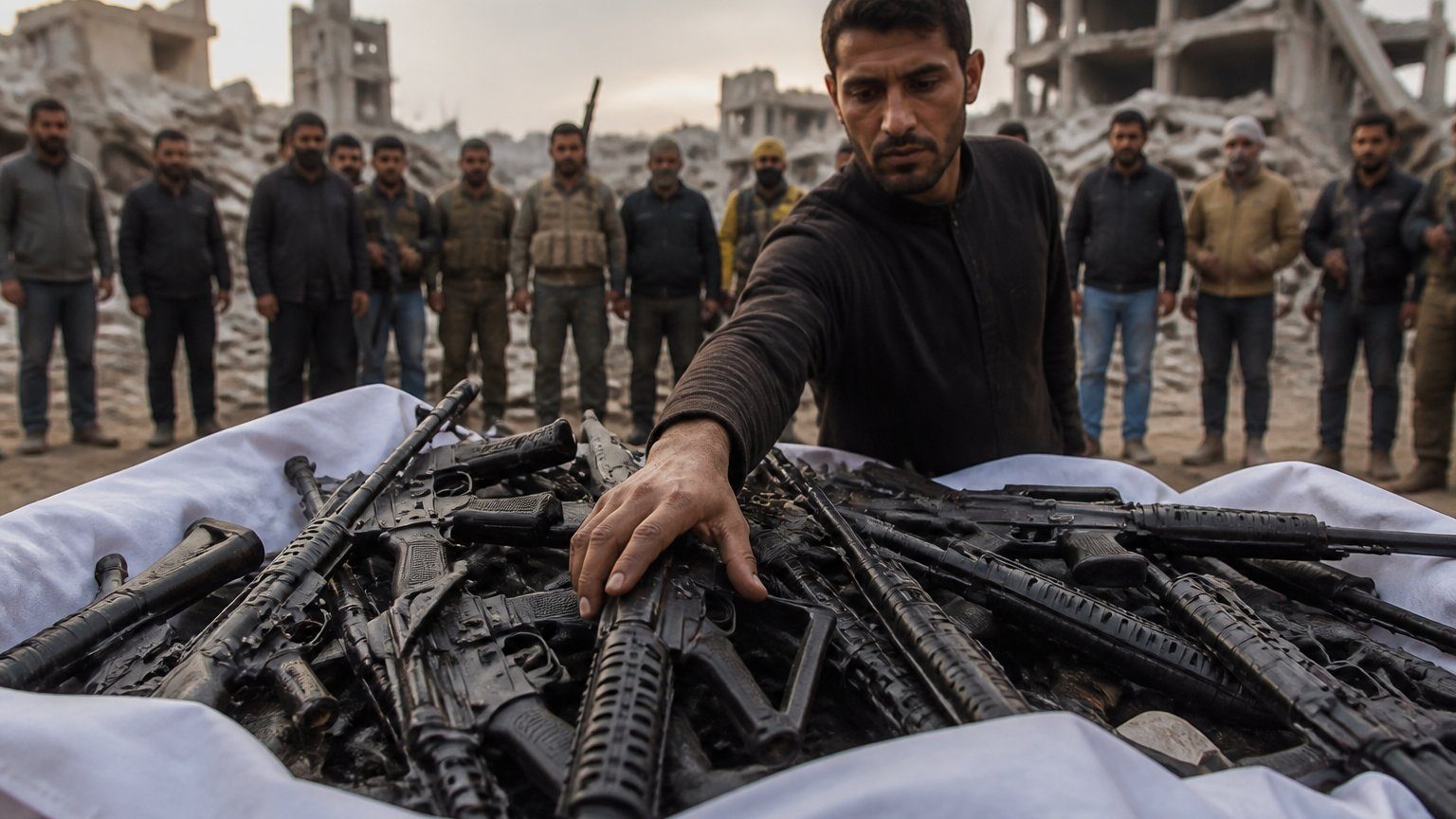
The Hamas disarmament plan is being talked about as a possible opening, but it runs straight into the kind of obstacles that do not yield to wishful thinking. In Gaza, the idea may sound like a path forward. In practice, it faces politics, mistrust, and the deep damage left by war.
That is the first truth people should keep in mind. Disarmament is not just a matter of handing over weapons. It is a question of who controls the process, who guarantees compliance, and who has enough trust to believe the other side will honor any promise. In a place scarred by conflict, every step is loaded with suspicion.
Supporters of a deal will say the case is simple: no lasting stability can take root while armed power remains in the hands of Hamas. They will argue that a serious plan could reduce the chance of more bloodshed and create room for governance, reconstruction, and some measure of normal life. That argument has real force. People living amid ruins need more than slogans. They need a future that can actually hold.
But the other side of the argument is just as strong. Hamas disarmament is not a clean policy choice. It is tangled up in fear, leverage, and survival. Any group being asked to give up weapons will want assurances about its own fate, the fate of its members, and the future political order. If those assurances are vague, the plan becomes less a settlement than a demand for surrender. That is not likely to produce trust.
“A Hamas disarmament plan could ease Gaza’s future, but mistrust, politics, and the war’s wreckage make any deal hard to trust.”
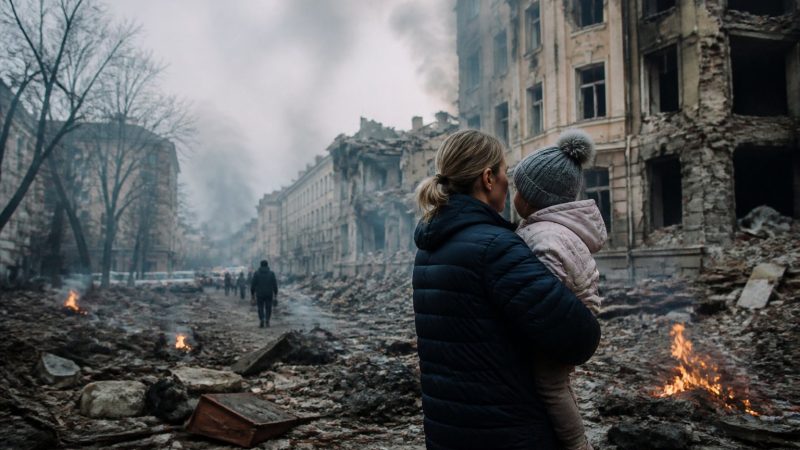
The wreckage of war makes matters worse. When infrastructure is shattered and daily life is broken, even a sound agreement can collapse under the pressure of basic needs. Food, shelter, security, and local administration all matter. If those pieces are missing, armed groups can keep finding reason to stay armed, and civilians keep paying the price.
This is why outsiders should be careful about treating a disarmament proposal as a breakthrough by itself. A plan on paper is not the same as a durable peace. Without a credible framework, clear enforcement, and a political arrangement people can live with, the whole thing risks becoming another document that looks promising from afar and brittle up close.
The hard-minded view is the honest one: a Hamas disarmament plan may be necessary, but necessity does not make it easy. Any serious effort has to account for mistrust and the reality on the ground, not just the hope for a cleaner headline. The takeaway is simple: if the plan cannot survive real-world fear and ruin, it will not deliver real peace for ordinary people.
Frequently asked questions
Why does the article say a Hamas disarmament plan is difficult to carry out?
Because it depends on who controls the process, who guarantees compliance, and whether either side trusts the other. The article says Gaza's politics, fear, and war damage make those conditions hard to meet.
What do supporters of disarmament think it would achieve?
They argue that lasting stability is impossible while Hamas keeps armed power. They believe disarmament could reduce violence and create room for governance, reconstruction, and normal life.
Why might Hamas resist giving up its weapons?
The article says any group asked to disarm will want assurances about its fate, its members, and the future political order. If those assurances are vague, disarmament can look like surrender rather than a settlement.
What does the article say is needed for a disarmament plan to work?
It says a credible framework, clear enforcement, and a political arrangement people can live with are necessary. It also says basic needs like food, shelter, security, and local administration must be addressed.
We value your privacy 🍪We use cookies for essential features and, if you allow it, to send you a notification whenever we publish a new story. See our Privacy Policy.
📨
Never Miss a Story
Get the headlines that matter delivered straight to your inbox.
📱 On iPhone: tap the Share icon, choose “Add to Home Screen”, then open TheTrueDefender from your Home Screen and tap 🔔 to turn on notifications. (Apple only allows notifications for saved web apps.)
📱 Add TheTrueDefender to your home screen for one-tap access.
Be the first to share your opinion on this story.