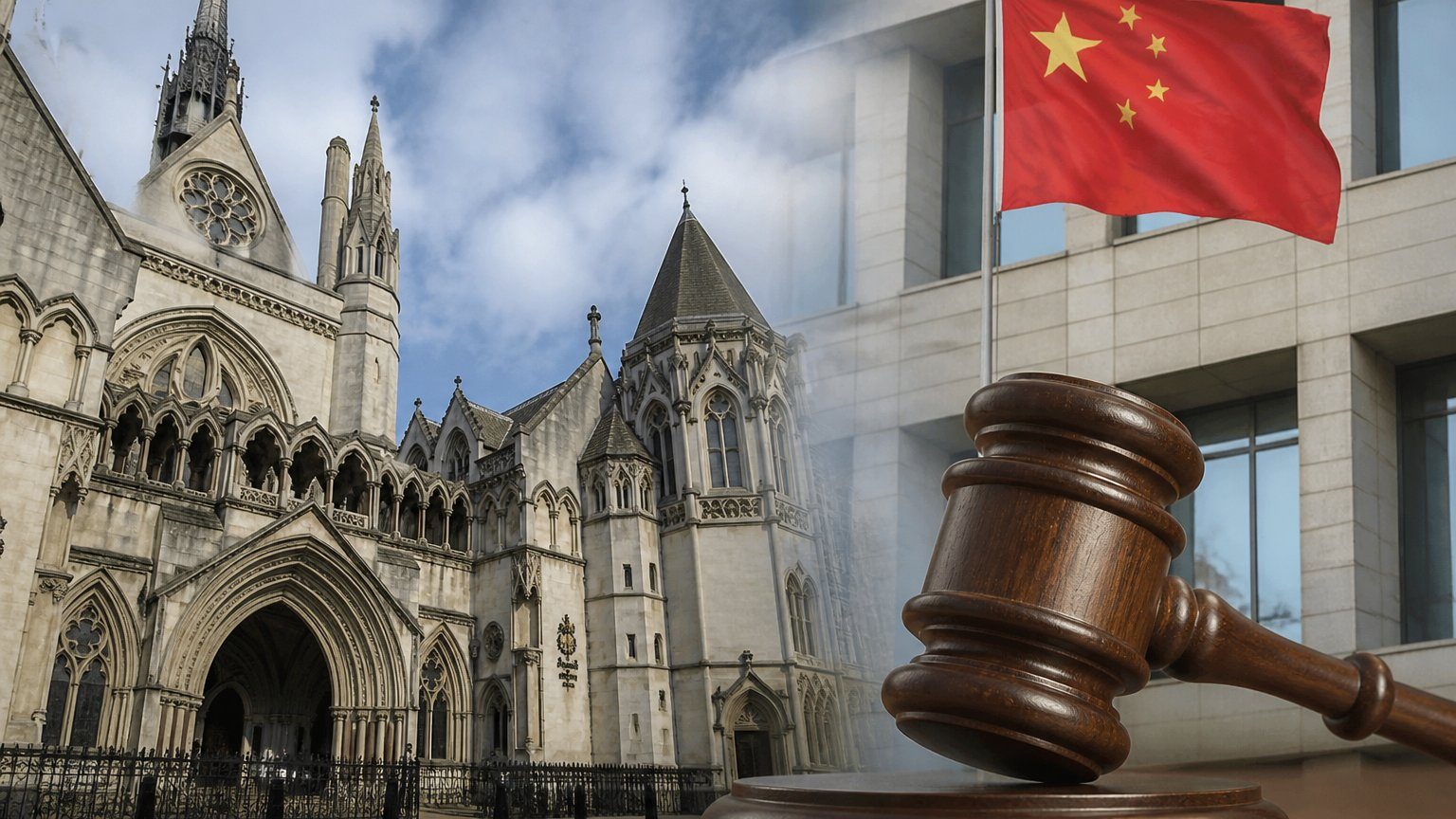
A High Court challenge over the Chinese embassy site near the Tower of London has failed, clearing the way for the old Royal Mint location.
A High Court challenge to the planned Chinese embassy site in London has failed, keeping alive the government’s approval for the old Royal Mint near the Tower of London. The ruling leaves in place the decision to allow the project at one of the capital’s most sensitive and closely watched locations.
The case had been brought by campaigners from the Royal Mint Court Residents’ Association, which speaks for families and businesses in about 100 properties around the site. They argued that the proposed embassy would create an espionage risk and could be used to enforce what they described as draconian Chinese laws in the United Kingdom, including against dissidents.
The residents’ group has been pressing its objections for some time, and the court fight turned on whether the planning decision should stand. With the challenge rejected, the focus now shifts back to the broader political and security questions surrounding the project, especially given the symbolic weight of the location so close to the Tower of London.
The proposed embassy has drawn attention well beyond the immediate neighborhood because major diplomatic properties often become flashpoints for security worries, local planning disputes, and broader questions about how Britain handles pressure from powerful states. In this case, the argument was not just about a building, but about the risks and responsibilities that come with hosting a major foreign mission in a prominent part of London.
The decision also matters because it shows how planning approvals for politically sensitive projects can withstand court scrutiny when ministers and local authorities say they have weighed the objections carefully. For the families and businesses represented by the Royal Mint Court Residents’ Association, the ruling is a setback. For the government, it preserves a high-profile decision that now stands as a test of how Britain balances diplomacy, security, and local concern.
What happens next will be watched closely by anyone following British policy toward China, because the Chinese embassy site now remains on track and the dispute has only sharpened the debate over national security and local accountability. The takeaway for American readers is simple: when a major foreign power seeks a foothold in a sensitive capital district, the consequences reach far beyond one neighborhood.
Frequently asked questions
What did the High Court decide about the Chinese embassy site?
The court rejected the challenge to the planned embassy site. That means the government’s approval for the project remains in place.
Where is the proposed Chinese embassy supposed to be built?
It is planned for the old Royal Mint site near the Tower of London in London.
Who brought the legal challenge?
The challenge was brought by the Royal Mint Court Residents’ Association, which represents families and businesses in about 100 properties around the site.
Why did residents oppose the embassy plan?
They argued the embassy would create an espionage risk and could be used to enforce what they described as draconian Chinese laws in the UK, including against dissidents.
We value your privacy 🍪We use cookies for essential features and, if you allow it, to send you a notification whenever we publish a new story. See our Privacy Policy.
📨
Never Miss a Story
Get the headlines that matter delivered straight to your inbox.
📱 On iPhone: tap the Share icon, choose “Add to Home Screen”, then open TheTrueDefender from your Home Screen and tap 🔔 to turn on notifications. (Apple only allows notifications for saved web apps.)
📱 Add TheTrueDefender to your home screen for one-tap access.