Andy Burnham’s income tax plan has triggered a sharp row, with critics warning some areas could lose out while mayors push for more local control.
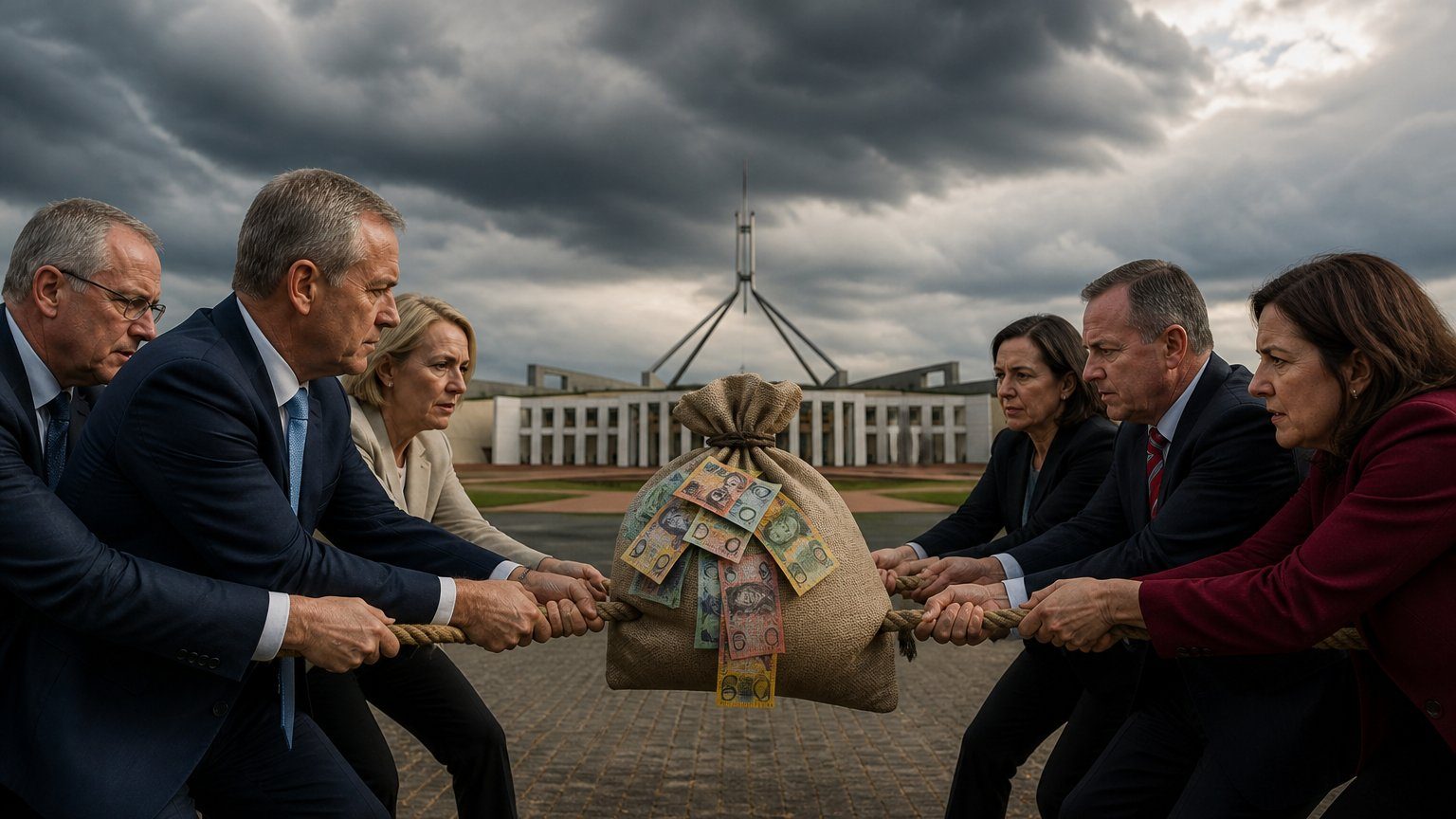
Andy Burnham’s income tax plan has opened a fresh fight over devolution in England, as ministers, mayors and opposition figures clash over who should control a share of local tax revenue and how it should be used. The government is moving toward a system that would let regional mayors keep part of income tax and business rates, but the idea has already split opinion over whether it would strengthen communities or create unfair gaps between richer and poorer areas.
The proposals are expected to be introduced in stages from next April. Under the plan, mayors of English strategic authorities would eventually retain some business rates revenue from April 2027 and receive a portion of income tax from April 2028. The tax rates themselves would not change. Burnham says the money should be invested locally to support public services, while the prime minister has presented the policy as a major transfer of power away from Whitehall and Westminster.
That message has not satisfied everyone. Lord Houchen, the Conservative mayor of Tees Valley, says the same powers should allow local leaders to offer taxpayers a rebate rather than only spending the money on services. Speaking on BBC Radio 4’s World at One, he argued that if the government wants to ease the cost-of-living pressure, it should let people keep more of what they earn. First Secretary of State Louise Haigh told the BBC there is not currently a system for mayors to deliver rebates, but Houchen said such a mechanism could be created and would not be difficult.
Burnham pushed back later, rejecting the idea that mayors should behave like “mini-chancellors of the exchequer” and rewrite tax policy on their own. He has made devolution a central part of his early premiership and says the policy would help him deliver on his pledge to “bring power home” to every part of the country. The message is clear: the government wants to sell this as local empowerment, but it also wants to keep overall control of tax policy intact.
“Andy Burnham’s income tax plan has triggered a sharp row, with critics warning some areas could lose out while mayors push for more local control.”
Supporters among Labour mayors have welcomed the move. Tracy Brabin, the Labour mayor of West Yorkshire, said a share of income tax would help people see where their money goes and feel the benefit of their work. Richard Parker, the Labour mayor of the West Midlands, called the plan a major shift. Their backing suggests the policy could become a defining test of whether devolution under Burnham produces real local influence or simply hands councils and mayors new responsibilities without enough freedom to shape them.
At the same time, several critics warn the plan could deepen regional inequality. Labour MP Sean Woodcock said he still believed poorer places would need redistribution from central government, while warning that some areas could see only limited gains. Perran Moon, the Labour MP for Camborne and Redruth, said the plans could create a two-tier system, especially for places without a mayor or a combined authority. He argued that areas like his should be given the same powers and funding without being forced into a mayoral model.
The political pushback does not stop there. Conservative shadow chancellor Sir Mel Stride said the announcement lacked detail and included no new money, raising the possibility that weaker local economies could end up worse off. The Liberal Democrats warned of a postcode lottery that could leave rural communities short-changed, while Reform UK called for wider devolution over housing decisions for illegal migrants. Chancellor John Healey is expected to set out more detail in his first Budget on 28 October. For American readers, the fight matters because it shows how hard it can be to balance local control, tax fairness and national solidarity when a country tries to push power away from the center.
Frequently asked questions
What would the plan let English mayors do with local tax revenue?
English strategic authority mayors would eventually retain some business rates revenue from April 2027 and receive a portion of income tax from April 2028. The tax rates themselves would not change.
What is Andy Burnham’s position on how the money should be used?
Burnham says the money should be invested locally to support public services. He rejected the idea that mayors should act like “mini-chancellors of the exchequer” and rewrite tax policy on their own.
Why does Lord Houchen disagree with the proposal?
Lord Houchen says the powers should allow local leaders to give taxpayers rebates, not only spend the money on services. He argued people should be let keep more of what they earn.
What concerns have critics raised about the plan?
Some critics say the plan could widen regional inequality and create a two-tier system. Others warned that poorer local economies could end up worse off or that rural communities and places without a mayor could be short-changed.
We value your privacy 🍪We use cookies for essential features and, if you allow it, to send you a notification whenever we publish a new story. See our Privacy Policy.
📨
Never Miss a Story
Get the headlines that matter delivered straight to your inbox.
📱 On iPhone: tap the Share icon, choose “Add to Home Screen”, then open TheTrueDefender from your Home Screen and tap 🔔 to turn on notifications. (Apple only allows notifications for saved web apps.)
📱 Add TheTrueDefender to your home screen for one-tap access.