India’s CJP protest ended after Education Minister Dharmendra Pradhan resigned, following weeks of youth anger over exams, jobs and police action.
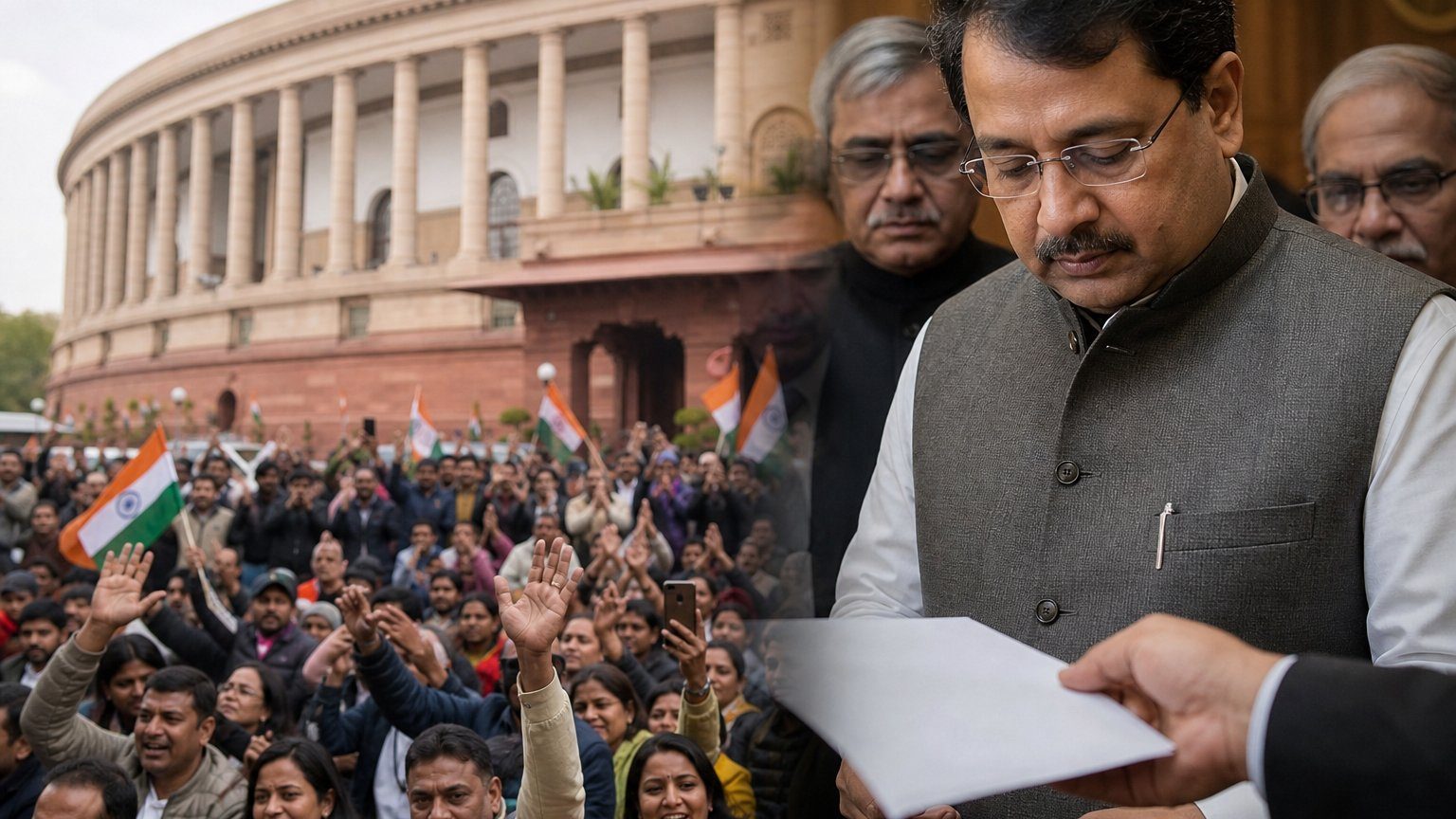
India’s CJP protest ended after Education Minister Dharmendra Pradhan resigned, bringing a close to five weeks of youth-led anger over exams, jobs and the government’s handling of dissent. The move came only hours before the movement said it was calling off the demonstration, turning the resignation into a clear political victory for the protesters gathered in Delhi.
At Jantar Mantar, the main protest site in the capital, supporters celebrated late into the night as crowds cheered, danced and handed out sweets. The Cockroach Janta Party, or CJP, is not a real political party. It began as an online satirical campaign built around an AI-generated cockroach mascot, but it has grown into a powerful outlet for young Indians frustrated by paper leaks, limited opportunities and a system they say has failed them.
Pradhan announced his resignation on X and said he respected the hopes and expectations of young people. In his post, he said he was pained by the events of the past few days and said he had stepped aside to prevent what he called anti-national forces from exploiting the situation and to protect students from legal complications. His departure came after the protest had become the most visible public challenge to Prime Minister Narendra Modi’s government in recent years.
Police and paramilitary forces used batons and wooden sticks and fired tear gas, while about 300 people were taken to hospital. Police said at least half of those hurt were security personnel, and they arrested about 70 protesters, most of whom have since been released on bail. The images from that confrontation helped widen sympathy for the movement and deepen anger at the authorities.
“India’s CJP protest ended after Education Minister Dharmendra Pradhan resigned, following weeks of youth anger over exams, jobs and police action.”
Much of the momentum behind the CJP protest came from its strong online presence and its ability to channel frustration far beyond Delhi. The movement, led by 30-year-old political communications strategist Abhijeet Dipke, quickly built a following on Instagram, where it now has 26 million followers. Its message centered on demands for education reform, greater accountability over examination paper leaks and the removal of Pradhan. The campaign also drew support from major opposition parties, activists and celebrities, giving it a broader reach than a typical student protest.
The movement’s profile rose further after activist and education figure Sonam Wangchuk joined on 28 June and began an indefinite hunger strike. When his condition worsened, police removed him from the protest site last Saturday and took him to hospital, where he continued fasting. He later ended his hunger strike early Friday after receiving assurances from the government that his demands would be examined. That development, followed by Pradhan’s resignation, gave the protest a sense of momentum that few on either side had expected at the outset.
Background to the protest matters. The CJP was formed after the chief justice of India referred to some unemployed young people turning to journalism and activism as “cockroaches,” later saying he meant people with fake and bogus degrees. The insult was taken up and transformed into a symbol of resistance. The term spread online, and the movement also tapped into wider frustration among middle-class Indians who said they were fed up with weak educational prospects and a shortage of jobs. Even people who once backed Modi were seen breaking with him as the protests unfolded.
The government did not stay silent forever. After nearly five weeks of ignoring the demonstrators, Modi said on Thursday that fast-track courts would be set up to ensure swift punishment for those involved in paper leaks. Later that night, he said a new law on examination paper leaks was being prepared and that he had received a draft intended for introduction in parliament soon. But the official response has not stopped the backlash online, where thousands of posts mocking the prime minister have spread widely. For Americans watching from afar, the episode shows how quickly student anger, social media and public trust can collide with state power — and why youth unrest in a major democracy can reshape politics far beyond one protest site.
Frequently asked questions
Why did the CJP protest end?
The protest ended after Education Minister Dharmendra Pradhan resigned. The movement then said it was calling off the demonstration, turning the resignation into a political victory for protesters.
What was the CJP protest about?
The protest focused on education reform, accountability over examination paper leaks, and the removal of Pradhan. It also reflected wider anger over jobs and what protesters saw as a failed system.
Who led the movement and how big did it become online?
The movement was led by 30-year-old political communications strategist Abhijeet Dipke. It built a large Instagram following and now has 26 million followers.
What happened during the clashes with police?
Police and paramilitary forces used batons, wooden sticks and tear gas. About 300 people were taken to hospital, and police said at least half of the injured were security personnel.
We value your privacy 🍪We use cookies for essential features and, if you allow it, to send you a notification whenever we publish a new story. See our Privacy Policy.
📨
Never Miss a Story
Get the headlines that matter delivered straight to your inbox.
📱 On iPhone: tap the Share icon, choose “Add to Home Screen”, then open TheTrueDefender from your Home Screen and tap 🔔 to turn on notifications. (Apple only allows notifications for saved web apps.)
📱 Add TheTrueDefender to your home screen for one-tap access.