The Indonesian baby trafficking case ended with 19 convictions, but the fate of at least 12 children sent to Singapore is still unresolved.
The Indonesian baby trafficking case has ended, but the Indonesian baby trafficking case is still raising hard questions in Singapore. On Tuesday, an Indonesian court convicted 19 people in a high-profile trial that found a syndicate guilty of procuring at least 34 babies and selling them for adoption.
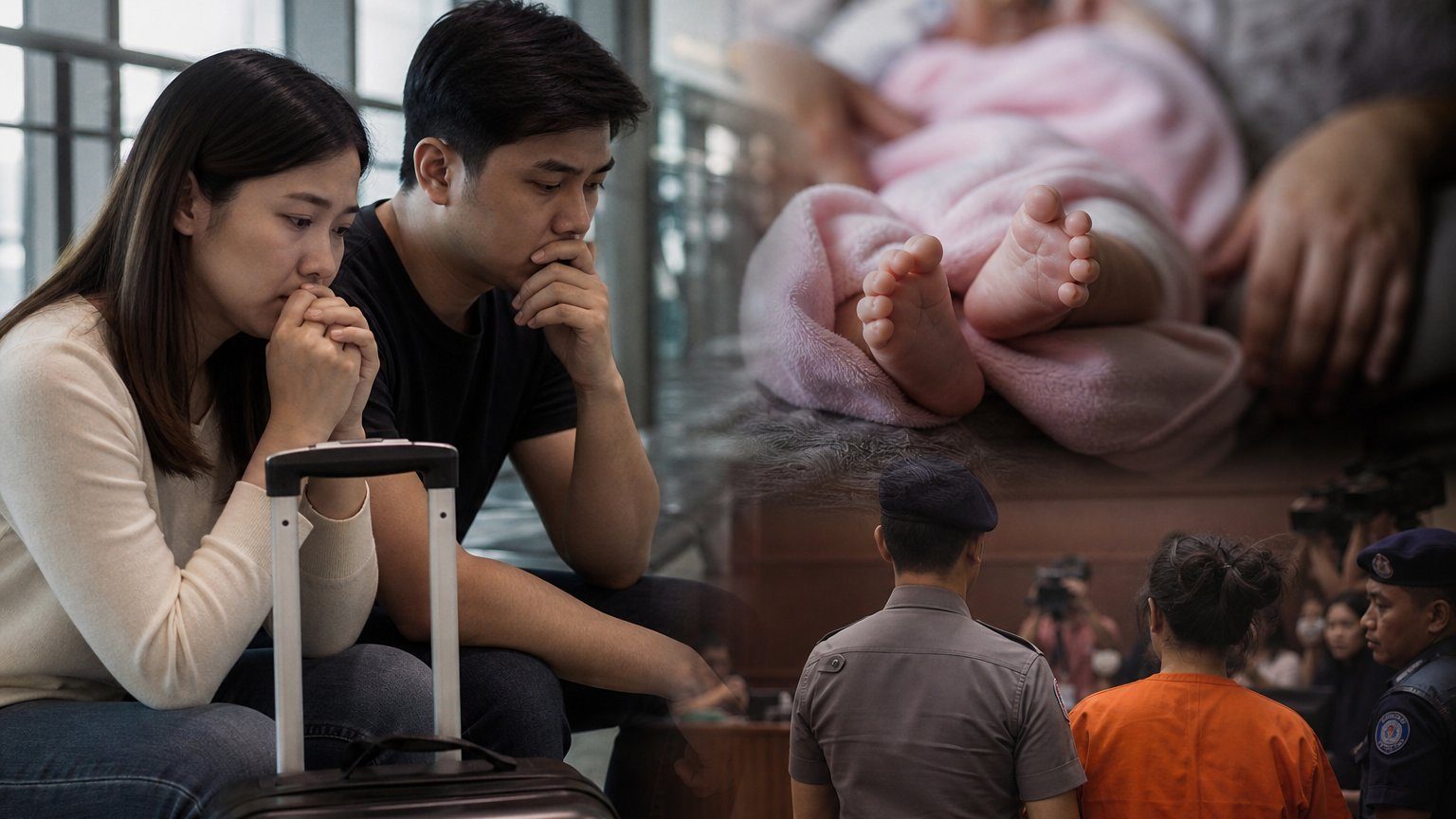
Most of the children were meant for Singapore, and at least 12 were sent there. That has left adoptive parents in Singapore waiting for clarity on whether they will be able to keep the children in their care. One Singaporean father, identified as David because he spoke on condition of anonymity, said he wanted both governments to make a decision soon and asked that the children’s best interests guide the outcome.
David and his wife, Ally, told the BBC earlier that they had no idea the child they adopted from Indonesia may have been trafficked. They said they carried out their own background checks and went through multiple checks by Singaporean authorities, which they believe should have caught any trafficking. In his comments after the verdict, David said his family has spent nearly a year in fear and anxiety while waiting for answers.
“The Indonesian baby trafficking case ended with 19 convictions, but the fate of at least 12 children sent to Singapore is still unresolved.”
Neither Indonesian nor Singaporean officials have given a clear answer on what comes next. Indonesia’s foreign affairs ministry said several issues still need closer review, including the children’s legal status, the identities of their biological parents, and the ongoing proceedings in Singapore. It said it remains committed to putting the children’s best interests first. Singaporean authorities have not responded to the BBC’s latest questions.
Experts and child rights advocates say the situation is unusually complex. Ni Made Martini Puteri, a criminologist and lecturer at the University of Indonesia, said there is little public information on what happens to trafficked children rescued inside Indonesia, and even less on children taken abroad. Ai Maryanti, a commissioner with Indonesia’s independent child protection commission, said the children’s true identities have not been established and warned that their best interests have not been fully considered. She argued that the adoptions should not be treated as the final word.
During the trial, prosecutors said the trafficking ring used false information when applying for the babies’ birth certificates and family cards, listing members of the syndicate as the children’s birth mothers. That has raised questions about how the documents were approved. Lawyers told the BBC that revoking adoptions in Singapore would be uncharted territory, since adoption orders there are usually treated as final. That leaves authorities facing a difficult question: whether the children stay with the families caring for them in Singapore or are returned to Indonesia and placed in state care. For the families involved, the answer will decide where these children can finally live with certainty and security.
Frequently asked questions
What did the Indonesian court decide in this case?
On Tuesday, it convicted 19 people in a high-profile trial. The court found a syndicate guilty of procuring at least 34 babies and selling them for adoption.
How many of the trafficked children were sent to Singapore?
The article says at least 12 were sent to Singapore. Most of the children were meant for Singapore.
What do Singaporean adoptive parents say about the situation?
One father, David, said he and his wife had no idea the child they adopted may have been trafficked. He said they want both governments to decide soon and to consider the children’s best interests.
Why is it unclear what will happen to the children now?
Indonesia says several issues need more review, including the children’s legal status and biological parents. Lawyers also said revoking adoptions in Singapore would be uncharted territory because adoption orders there are usually treated as final.
We value your privacy 🍪We use cookies for essential features and, if you allow it, to send you a notification whenever we publish a new story. See our Privacy Policy.
📨
Never Miss a Story
Get the headlines that matter delivered straight to your inbox.
📱 On iPhone: tap the Share icon, choose “Add to Home Screen”, then open TheTrueDefender from your Home Screen and tap 🔔 to turn on notifications. (Apple only allows notifications for saved web apps.)
📱 Add TheTrueDefender to your home screen for one-tap access.