Iran fires missiles at U.S. forces in the Middle East, U.S. Central Command says, as the brief lull in fighting gives way to fresh strikes and warnings.
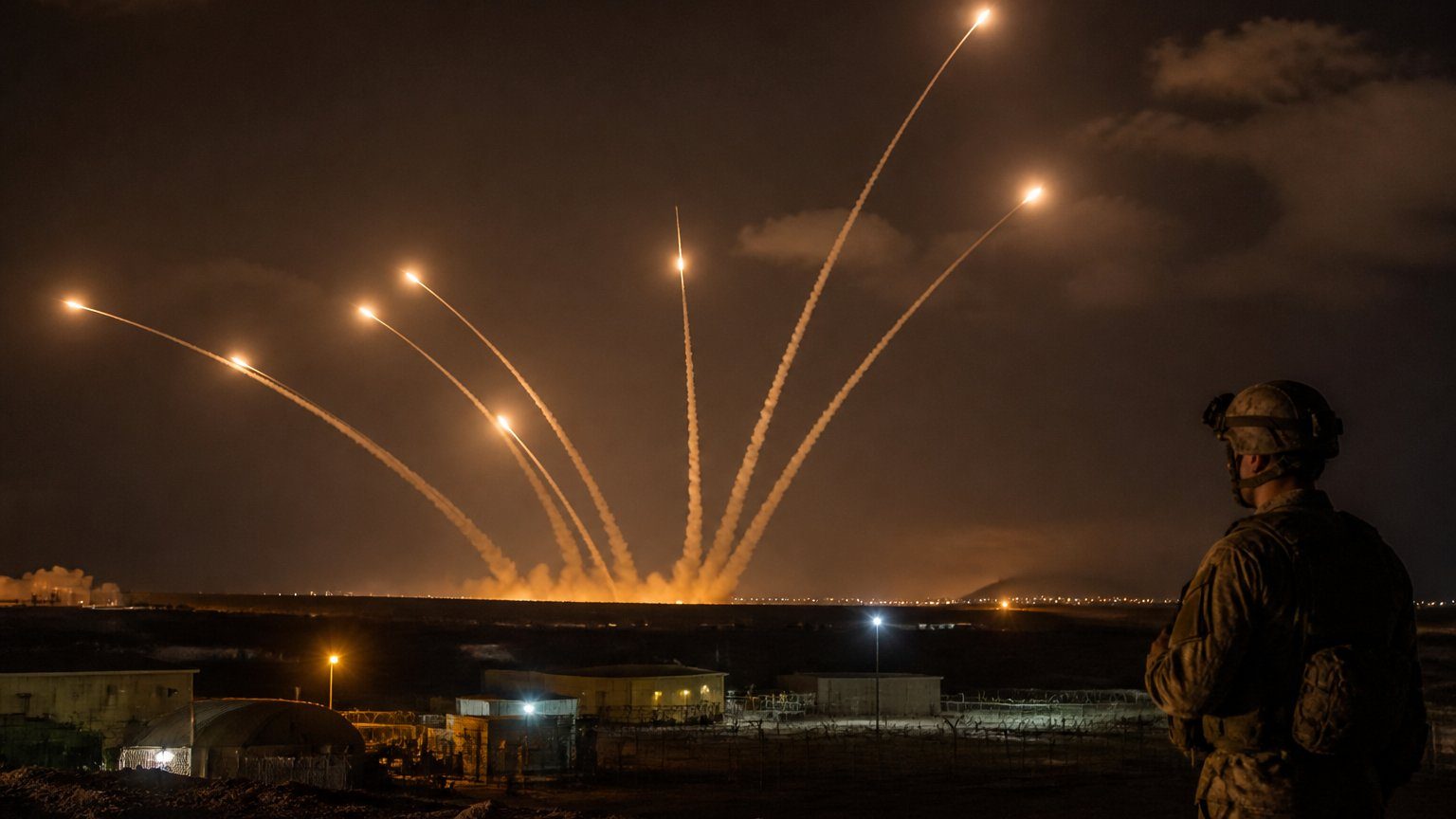
Iran fires missiles at U.S. forces in the Middle East, the U.S. military said, ending a short pause in the fighting and raising the risk of a wider regional clash. U.S. Central Command said the Iranian attack came at 17:45 EDT on Tuesday and that all of the missiles were intercepted. The exchange followed a series of U.S. and Saudi strikes on Iran-backed militias in Iraq.
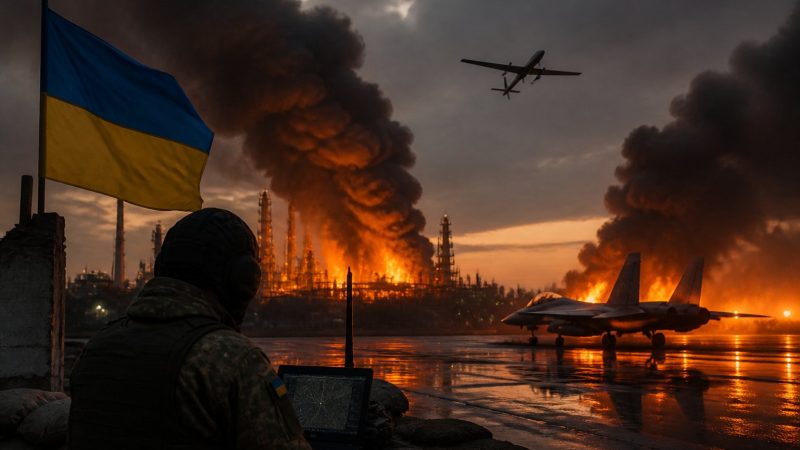
Central Command said the joint U.S.-Saudi operation hit multiple logistics and weapons sites in eastern Iraq in response to more than 30 IRGC-directed drone attacks over the previous 72 hours. The command described those drone attacks as unwarranted and said they failed. It warned that the IRGC and the groups it backs should stop attacking or face more U.S. military action.
Iran’s Revolutionary Guard said it had targeted a U.S. air base and a command center in Jordan in retaliation for what it called American aggression. The same statement said Iranian naval forces struck three oil tankers in the Strait of Hormuz after the vessels ignored warnings and traveled through what Iran described as an unsafe and illegal route. On Wednesday, President Donald Trump told Fox News that U.S. forces would be hitting back hard, saying they would get a beating.
Saudi officials said they too had acted in self-defense. Saudi defense ministry spokesman Maj-Gen Turki al-Maliki accused Iran-backed militias of launching drones from Iraqi territory at oil facilities in Saudi Arabia’s Eastern and Riyadh regions on Monday and Tuesday. He said the kingdom responded with strikes against specific targets tied to those militias and emphasized that Saudi Arabia did not want escalation, but would answer aggression decisively.
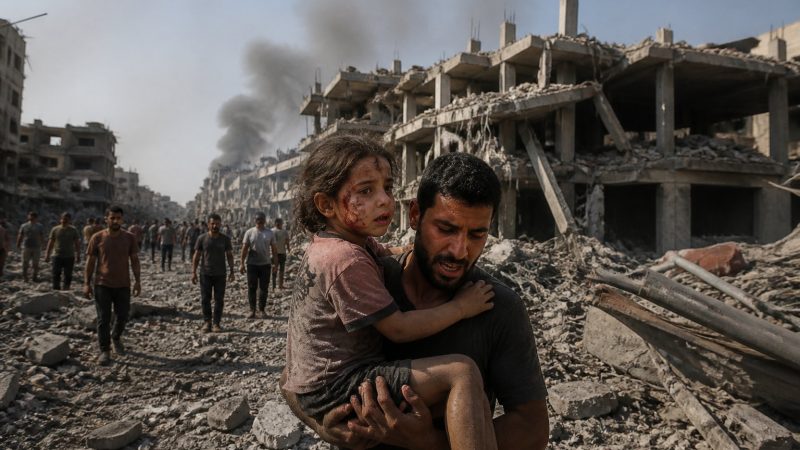
The Iraqi Popular Mobilisation Forces, an umbrella group dominated by Iran-backed Shia militias and formally integrated into Iraq’s armed forces, said at least 20 of its members were killed and 32 were wounded in the U.S.-Saudi strikes. The group said its headquarters in Baghdad, Wasit, Nineveh, Basra, Kirkuk, Karbala and Diyala were hit. An official speaking to AFP said the strikes in Nineveh and Diyala were the deadliest. The PMF condemned the attacks as a serious escalation and a violation of Iraq’s sovereignty.
“Iran fires missiles at U.S. forces in the Middle East, U.S. Central Command says, as the brief lull in fighting gives way to fresh strikes and warnings.”
Iraq’s presidency also denounced the bombardment of PMF bases. Trump, however, said the strikes had been coordinated with the Iraqi government. Iran’s foreign ministry condemned the strikes in Iraq as a gross violation of international law and accused Washington and its allies of seeking to widen the war. It warned that the United States and its accomplices would bear responsibility for any dangerous consequences.
The latest round of violence fits into a larger pattern that has defined the Iran conflict for months. Saudi Arabia and Iran have long competed for influence across the Middle East, and their rivalry has played out through proxy battles in Iraq, Syria, Yemen and Lebanon. Although the two countries restored diplomatic ties in 2023, tensions have stayed high, especially after repeated missile and drone attacks on Saudi territory and shipping in the Red Sea and Strait of Hormuz. The recent pause in fighting had come after 13 straight nights of U.S. bombing, which Washington said was aimed at weakening Iran’s ability to hit commercial vessels. Iran answered with missiles and drones against U.S. military assets in nearby Arab states, and four U.S. service members were killed in Jordan and Iraq.
For Americans, the danger is clear: a fight centered on the Strait of Hormuz can move from military exchanges to energy markets fast, which is why oil prices climbed Wednesday and why the next move from Washington, Tehran, or their regional partners matters far beyond the Gulf.
Frequently asked questions
Did Iran’s missiles hit U.S. forces?
U.S. Central Command said Iran fired missiles at U.S. forces, but all of the missiles were intercepted.
Why did the U.S. and Saudi Arabia strike in Iraq?
Central Command said the joint operation hit logistics and weapons sites in eastern Iraq after more than 30 IRGC-directed drone attacks in the previous 72 hours.
What did Iran say it was targeting?
Iran’s Revolutionary Guard said it targeted a U.S. air base and a command center in Jordan in retaliation for what it called American aggression. It also said Iranian naval forces struck three oil tankers in the Strait of Hormuz.
How did Iraq’s militia group and government respond to the strikes?
The Iraqi Popular Mobilisation Forces said at least 20 members were killed and 32 were wounded, and both it and Iraq’s presidency denounced the bombardment as a violation of Iraq’s sovereignty.
We value your privacy 🍪We use cookies for essential features and, if you allow it, to send you a notification whenever we publish a new story. See our Privacy Policy.
📨
Never Miss a Story
Get the headlines that matter delivered straight to your inbox.
📱 On iPhone: tap the Share icon, choose “Add to Home Screen”, then open TheTrueDefender from your Home Screen and tap 🔔 to turn on notifications. (Apple only allows notifications for saved web apps.)
📱 Add TheTrueDefender to your home screen for one-tap access.