⚡ LATEST
Iran’s Limited War Strategy Raises Stakes

Iran’s Limited War Strategy Raises Stakes

Iran may prefer a limited war with the US over peace, using pressure, shipping risks, and diplomacy to gain leverage while avoiding full conflict.

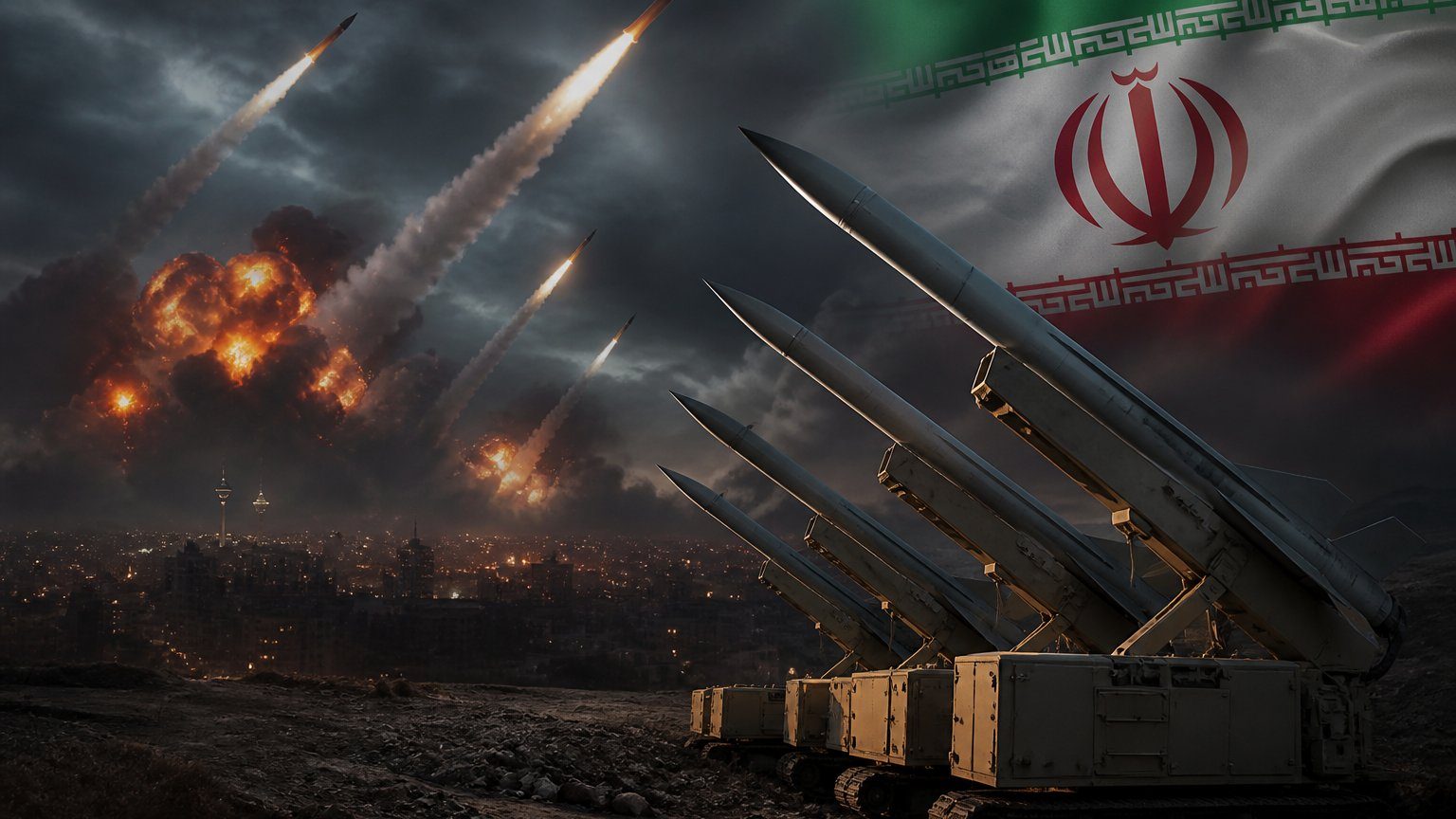
Iran’s limited war strategy with the US may now be easier to understand after this week’s missile strike on an American base in Jordan. The attack ended a fragile pause in direct fighting between Washington and Tehran and led the United States to resume strikes inside Iran. The move was unusual, but it may fit a larger Iranian calculation.

If Tehran wanted a clean ceasefire, the strike makes little sense. But if Iranian leaders believe a controlled confrontation gives them more room to pressure the United States, the decision looks more deliberate. The core idea is that Iran may see a limited war strategy with the US as more useful than peace that leaves its position unchanged.

Both sides appear unwilling to move into a full-scale war. Washington has shown little interest in a broader regional conflict that could endanger energy infrastructure, pull in more countries, raise oil prices, and further strain US military resources. Iran, for its part, faces weak air defenses, exposed industrial sites, and an economy already squeezed by sanctions, all of which make major losses harder to absorb.

That has led some analysts to suggest Tehran may prefer to keep the crisis active without crossing into total war. A ceasefire under present conditions would still leave the US naval blockade in place, sanctions intact, and Iran largely shut out of global energy markets. At the same time, Saudi Arabia, the UAE, Qatar and other energy exporters could keep restoring normal trade while Iran remained isolated.
A limited conflict, by contrast, keeps pressure on shipping and energy flows. Disruption in the Strait of Hormuz and pressure around Bab al-Mandab, including through the Houthis, continue to affect global shipping, insurance costs and energy markets. Iran is also signaling that it wants shipping rules to be shaped by or agreed with Tehran, not simply restored to the old order. In that view, keeping the Strait of Hormuz crisis alive gives Iran leverage in future diplomacy.

Domestic politics may be part of the calculation as well. Iran is still dealing with high inflation, unemployment, economic hardship and public frustration. External conflict can make it easier for governments to tighten security, suppress dissent and rally support around national defense. But the risks are serious, and there is no guarantee the current balance can hold. Saudi Arabia has already taken strikes against Iran-aligned Shia groups in Iraq and against the Houthis, and continued disruption could draw in more countries that have so far stayed out of the fight. The plain lesson is that Iran may think controlled conflict buys time and leverage, but one misstep could turn a managed crisis into a wider war.

Frequently asked questions

Why might Iran prefer a limited conflict with the United States instead of a ceasefire?
The article says a ceasefire would leave sanctions, a naval blockade, and Iran’s isolation largely unchanged. A limited conflict, by contrast, keeps pressure on shipping and energy flows and may give Iran more leverage in future diplomacy.
Why does the article say the United States is unlikely to want a broader war?
It says Washington wants to avoid a regional conflict that could threaten energy infrastructure, pull in more countries, raise oil prices, and strain U.S. military resources.
What are the main risks for Iran if the conflict escalates?
Iran has weak air defenses, exposed industrial sites, and an economy already squeezed by sanctions, so major losses would be difficult to absorb. The article also warns that a managed crisis could still turn into a wider war.
How could ongoing conflict affect shipping and energy markets?
The article says disruption in the Strait of Hormuz and pressure around Bab al-Mandab can affect global shipping, insurance costs, and energy markets. It also notes that Iran wants shipping rules to be shaped by or agreed with Tehran.

More from World

View all →
📨

Never Miss a Story

Get the headlines that matter delivered straight to your inbox.