The first mosque in Fujisawa has triggered protests and debate as Japan confronts immigration, Muslim growth, and the future of its identity.
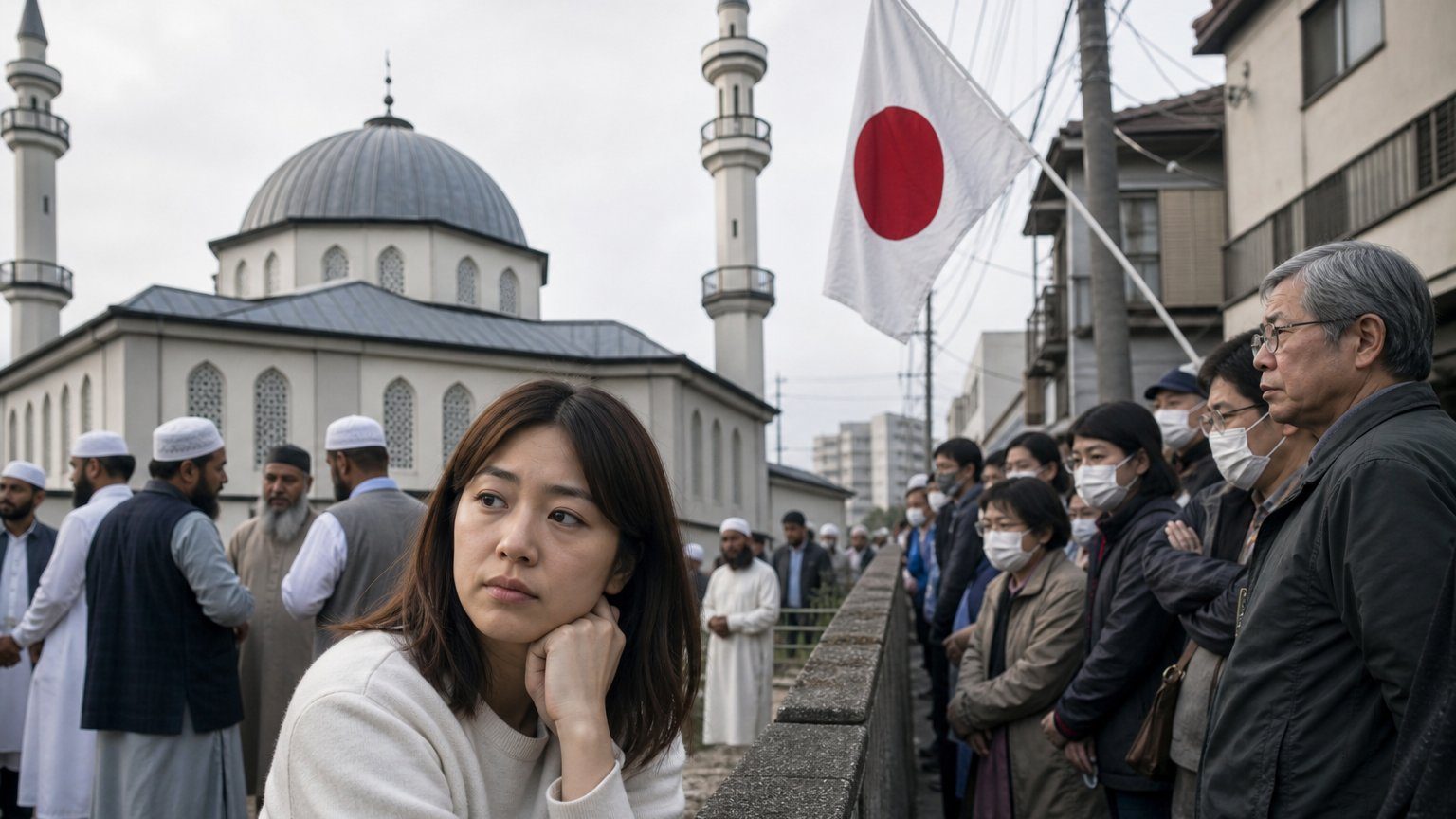
The planned Fujisawa mosque has become a flashpoint in a larger debate over Japan’s identity, with the first mosque in the seaside town drawing protests, concern, and calls for understanding. The site in Fujisawa, about an hour’s drive south of Tokyo, is still a grassy field, but it is set to become the town’s first Islamic religious building.
For some residents, the project has stirred unease about how the community may change. Long-time resident Noriko Izumizawa said she worries about what the mosque could mean for the town. Others have responded more calmly, saying the answer is not fear but better communication. Hiroki Suzuka, who runs a coffee shop across the road from the planned site, said the first step is learning more about Islam and the people who follow it.
The mosque dispute has also exposed wider tensions across Japan as the country turns more heavily to foreign workers to fill jobs left open by a shrinking and ageing population. Local protests against the mosque broke out earlier this year at the train station, where thousands gathered to object to the plan. Some opponents have argued that a mosque larger than a nearby Shinto shrine would be disrespectful. Local outlets have also reported hate speech and misinformation on social media, along with abusive calls and emails sent to mosques. Anti-hate groups have organized counter protests in response.
“The first mosque in Fujisawa has triggered protests and debate as Japan confronts immigration, Muslim growth, and the future of its identity.”
Muslim residents say the atmosphere has grown harsher in recent years. Mohamed Mohideen, a businessman who has lived in Osaka for 39 years, said he has seen more hostile comments toward Muslims online and in person, including demands that they leave Japan. He said members of the community have been insulted at mosques and accused of being terrorists or making bombs. Even so, he said he has never felt his life was in danger and believes patience and calm are the best response. He also said Muslims need to do more to help others understand who they are and how they live.
Another mosque representative, Shakeel Mohamed of the Yashio mosque in Saitama prefecture, said Muslims in Japan make a point of following local rules, from sorting trash properly to obeying parking laws and wearing helmets on bicycles. He said courtesy matters, too, and noted that some local Japanese refer to the Pakistani community there as “Yashio-stan.” He added that bad behavior exists on both sides, though only among small minorities.
The numbers show how fast the country is changing. Muslims in Japan, including foreign residents and Japanese believers, reached roughly 420,000 at the end of 2024, up from 230,000 in 2019, according to Hirofumi Tanada of Waseda University. Japan’s foreign resident population passed four million in 2025, with a record 2.57 million working in the country, while the overall population fell by nearly 1 million that same year. Officials have long resisted calling Japan an immigration country, but the pressure from labor needs is forcing a harder conversation. The Fujisawa mosque debate shows why this matters: Japan can no longer avoid deciding how much change it is willing to accept.
Frequently asked questions
Why has the planned Fujisawa mosque become controversial?
It is set to be the town’s first Islamic religious building, and some residents worry about how it may change the community. Opponents have also argued that a mosque larger than a nearby Shinto shrine would be disrespectful.
How have people in Fujisawa responded to the mosque plan?
Responses have ranged from protests at the train station to calls for understanding. One local coffee shop owner said the first step is learning more about Islam and its followers.
What wider issue does the mosque dispute reflect in Japan?
The article says it highlights tensions over Japan’s identity as the country depends more on foreign workers to replace jobs left open by a shrinking and ageing population.
How have Muslims in Japan described the current atmosphere?
Muslim residents said hostility has grown in recent years, including insults and accusations online and in person. Even so, they said patience, calm, courtesy, and helping others understand Islam are the best responses.
We value your privacy 🍪We use cookies for essential features and, if you allow it, to send you a notification whenever we publish a new story. See our Privacy Policy.
📨
Never Miss a Story
Get the headlines that matter delivered straight to your inbox.
📱 On iPhone: tap the Share icon, choose “Add to Home Screen”, then open TheTrueDefender from your Home Screen and tap 🔔 to turn on notifications. (Apple only allows notifications for saved web apps.)
📱 Add TheTrueDefender to your home screen for one-tap access.