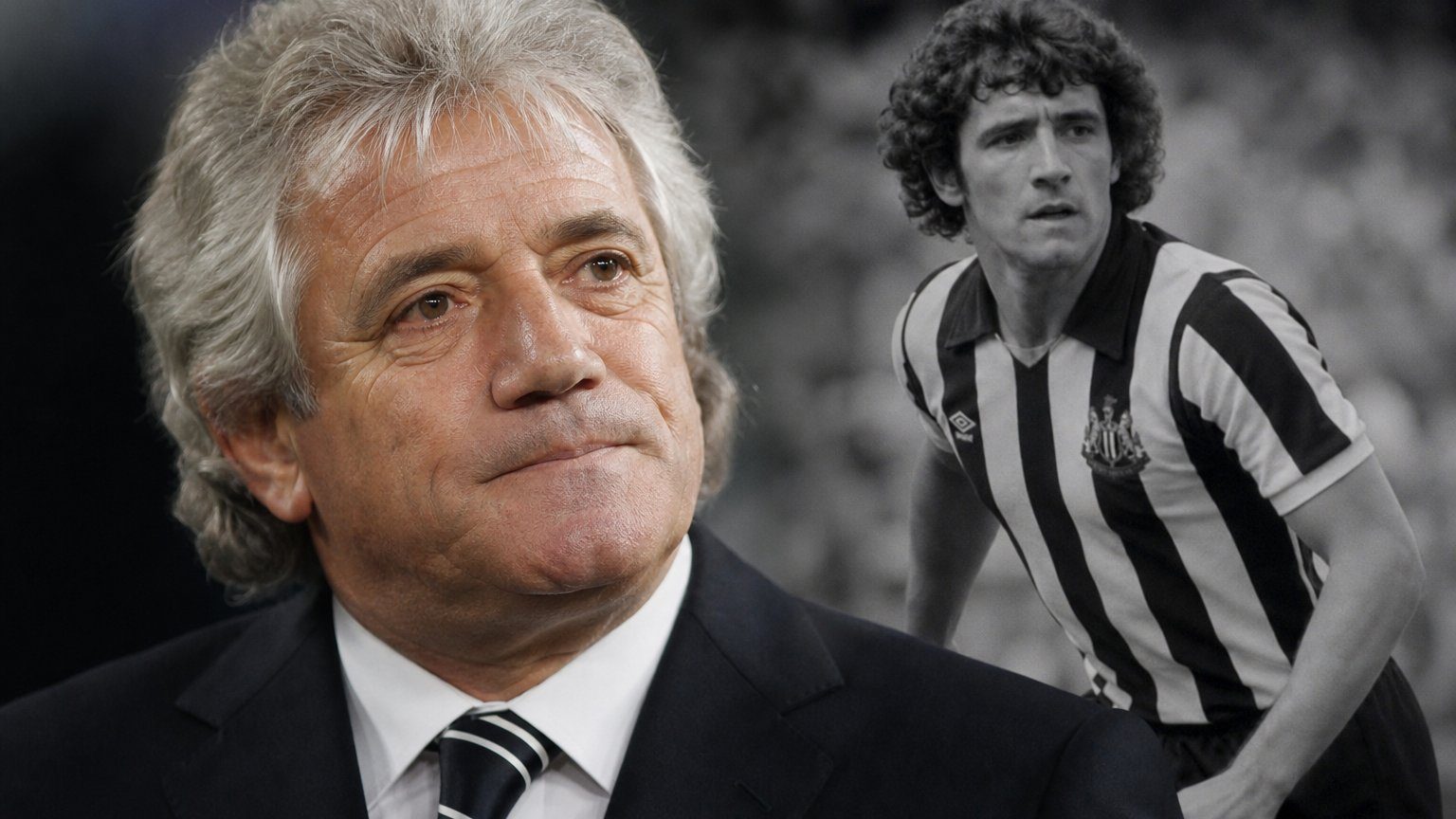
Kevin Keegan dies after cancer diagnosis at the age of 75, closing the final chapter on one of English football’s most admired and recognizable figures. His family confirmed that the former England captain and manager died seven weeks after telling the public he had stage four cancer.
Keegan’s football life stretched across generations. As a player, he wore the shirts of Scunthorpe United, Liverpool, Hamburg, Southampton and Newcastle. He later returned to the game as a manager, leading Newcastle, Fulham, England and Manchester City. His family said he was with his wife and daughters in his final moments, and described him as a husband, father and grandfather who was loved deeply by those closest to him.
Tributes from across the sport quickly framed his importance. Newcastle United called him one of the most iconic and deeply loved figures in the club’s history, saying he was far more than a celebrated player and manager. Liverpool said his spirit and contribution would remain part of the club’s story, while Hamburg said football had lost one of its defining figures. Fulham, Scunthorpe, England and Manchester City all offered condolences and praised the impact he made on their clubs and on supporters.
The reaction reflected just how widely Keegan was admired. Former players, managers and football figures described him as charismatic, generous and inspirational. Alan Shearer called him his hero, his manager and his friend. Prince William said Keegan inspired generations through his talent, passion and love of the game, while also remembering him as a kind and generous man. Others recalled his personality off the pitch as much as his success on it.
The story of Kevin Keegan dies after cancer diagnosis lands with particular force because his career ran through some of the most memorable eras in English football. He won major honors with Liverpool, including three league titles, the European Cup, two Uefa Cups and the FA Cup. He also helped Hamburg win the Bundesliga and became a double Ballon d’Or winner in 1978 and 1979, remaining one of only four English players ever to take the award. For England, he scored 21 goals in 63 appearances between 1972 and 1982, then later managed the national team from February 1999 until October 2000.