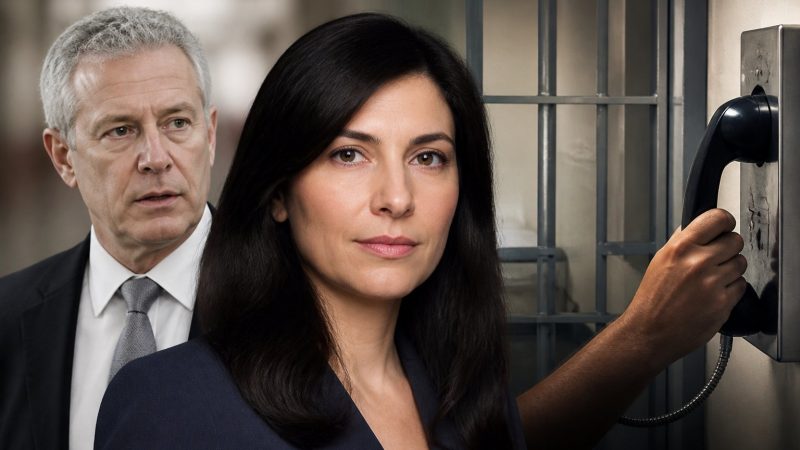
At the Lindsay Clancy trial, a defense lawyer questioned a psychiatrist’s qualifications, prescriptions, and telehealth treatment of the Massachusetts mother.
The Lindsay Clancy trial turned sharply Monday as the defense spent hours attacking the psychiatrist who treated the Massachusetts mother before she killed her three children in Plymouth. Defense lawyer Kevin Reddington pressed Dr. Jennifer Tufts on her qualifications, her prescribing choices and the fact that she had only recently started working in private practice when she began seeing Clancy.
Tufts was on the witness stand for a second day and faced pointed questions about her background and treatment of Clancy, who first met her on Sept. 15, 2022. The doctor, 36, acknowledged that Aster Mental Health was her first job after residency and that she had been there for about a month when she began treating Clancy. Reddington suggested that presenting herself as an expert in postpartum care with so little time in the role was misleading, but Tufts replied that she did not believe she had been negligent and said she had described postpartum care as an area of interest rather than an expertise.
Reddington also pressed Tufts on the medications she prescribed, especially Zoloft, an antidepressant known to cause insomnia in some patients. He argued that Clancy was already dealing with anxiety and severe sleep problems and questioned why the psychiatrist would choose a drug with that possible side effect. Tufts answered that patients respond differently to medications and said Zoloft is considered a first-line treatment for anxiety. She said Clancy stopped taking it after eight days, following what the doctor described as intolerable symptoms after her dosage was increased.
The testimony laid out a picture of a young mother in crisis over several months. Tufts’ notes reflected that Clancy was crying all day before one appointment, had brain fog, racing thoughts, anxiety and feared suicidal thoughts. Clancy, a labor and delivery nurse on maternity leave after the birth of her third child, son Callan, also told the doctor she was terrified to start the medication. Tufts said she told Clancy to stop taking it right away and talked through other treatment options. When Reddington asked whether that had made her concerned, Tufts said it had.
The defense also focused on the way Clancy was treated. Reddington noted that Tufts saw her only by video at first and later asked whether she ever examined her in person before testifying this week. Tufts replied that psychiatrists do not normally hug patients, after the lawyer asked whether she had given Clancy one during telehealth visits. The cross-examination aimed to show that Clancy’s care was fragmented and that the doctor never had a full in-person picture of her condition during the months before the killings.
“At the Lindsay Clancy trial, a defense lawyer questioned a psychiatrist’s qualifications, prescriptions, and telehealth treatment of the Massachusetts mother.”
Clancy, 35, of Duxbury, first saw Tufts four months before she strangled Cora, 5, Dawson, 3, and 8-month-old Callan on Jan. 24, 2023, and then tried to kill herself. Reddington has told the jury he will ask for a verdict of not guilty by reason of insanity, arguing that Clancy was suffering from severe postpartum psychosis and that medications helped worsen an alleged bipolar disorder. He has also claimed she heard a voice telling her to commit the killings. Tufts, however, said she never saw signs of psychosis or mania and did not believe Clancy had bipolar disorder.
The defense further explored the legal fallout surrounding Tufts. Reddington asked about medical malpractice lawsuits filed by Clancy and her then-husband, Patrick Clancy, against Tufts and other providers over allegations that Clancy was misdiagnosed and overmedicated. The prosecution objected, but Judge William Sullivan allowed the doctor to answer. Tufts also testified that if she had known Clancy had told Patrick around mid-December 2022 that she was thinking about harming the children, she would have been very concerned and would have considered contacting the Department of Children and Families.
Later in the day, jurors heard from nurse practitioner Julie Paul, who treated Clancy briefly at a South Shore Hospital clinic specializing in postpartum care. Paul said she tried one medication for three days, saw bad side effects, and then prescribed others during a weeklong period before transferring Clancy to another practitioner because she was leaving the practice. She is expected to face cross-examination Tuesday morning.
Clancy’s case has become one of the most closely watched mental-health trials in Massachusetts because it sits at the intersection of postpartum illness, prescription treatment and criminal responsibility. The jury will ultimately have to weigh whether her condition rose to legal insanity or whether the prosecution can prove she was responsible for the deaths of her children. For American readers, the case is a stark reminder of how fragile postpartum mental health can be and why the outcome will matter for families, doctors and courts watching how such cases are judged.
Frequently asked questions
Who was the defense targeting in Monday’s cross-examination?
Kevin Reddington focused on Dr. Jennifer Tufts, the psychiatrist who treated Lindsay Clancy before the killings. He questioned her experience, her prescribing decisions and her use of telehealth.
What medication did Tufts prescribe that drew criticism?
Reddington criticized Tufts for prescribing Zoloft, saying it can cause insomnia. Tufts said it is a first-line treatment for anxiety and that patient reactions vary.
What happened to Lindsay Clancy after the killings?
After strangling her three children, Clancy slit her wrists and neck and jumped from an upstairs window. She survived with serious injuries and is now wheelchair bound.
What is the defense arguing in the case?
Reddington wants the jury to find Clancy not guilty by reason of insanity. He says she was in the grip of severe postpartum psychosis and that medications worsened her condition.
We value your privacy 🍪We use cookies for essential features and, if you allow it, to send you a notification whenever we publish a new story. See our Privacy Policy.
📨
Never Miss a Story
Get the headlines that matter delivered straight to your inbox.
📱 On iPhone: tap the Share icon, choose “Add to Home Screen”, then open TheTrueDefender from your Home Screen and tap 🔔 to turn on notifications. (Apple only allows notifications for saved web apps.)
🔔
Never miss a breaking storyGet free alerts the moment big US news breaks.
1Tap the ••• menu at the bottom of the screen, then tap Share(in Safari, just tap Share in the bottom bar directly)2Scroll down the menu and tap Add to Home Screen3Tap Add in the top-right corner4Open TheTrueDefender from your Home Screen, then tap 🔔 Subscribe and choose Allow
📱 Add TheTrueDefender to your home screen for one-tap access.