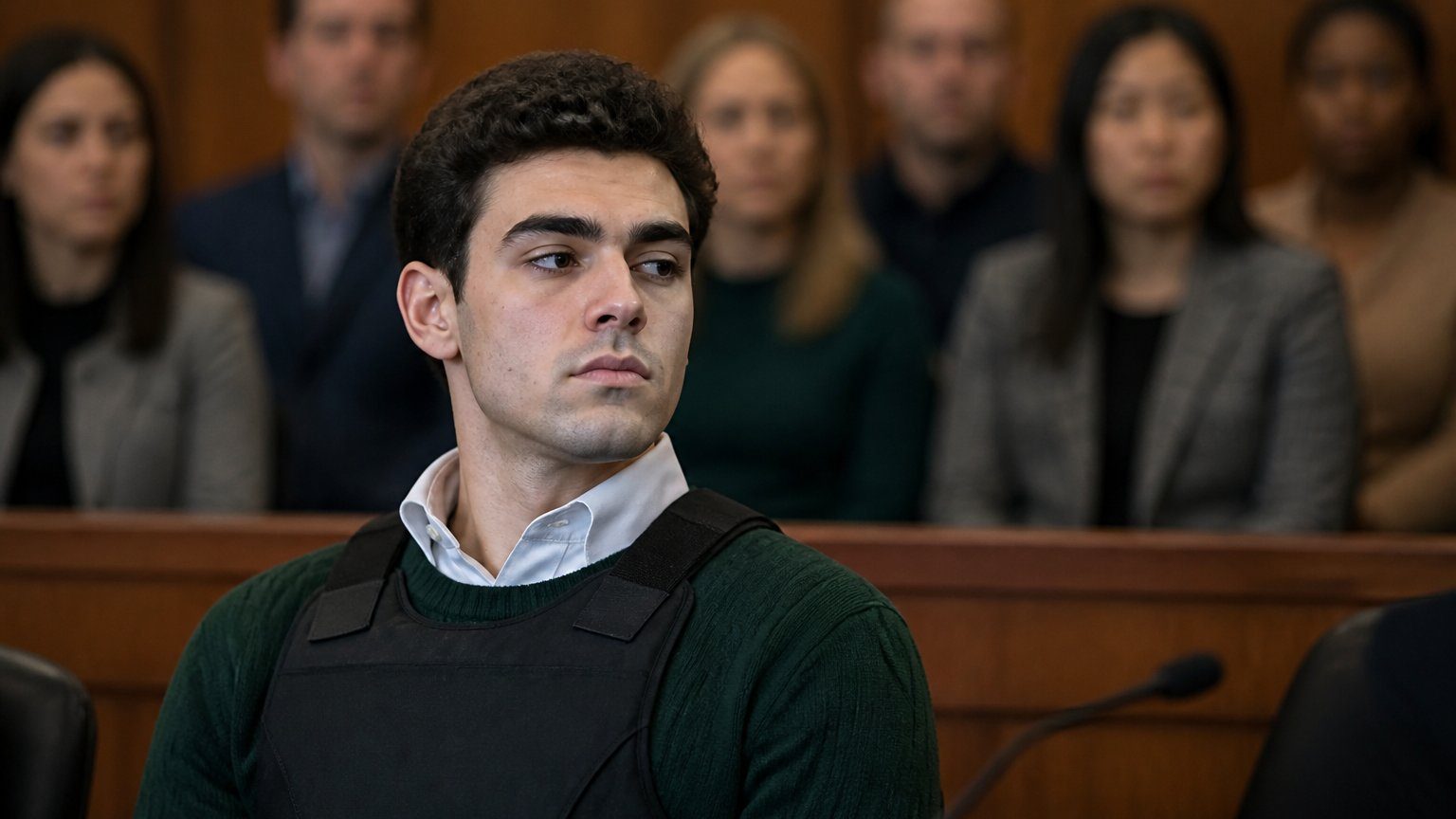
A Manhattan judge set Luigi Mangione’s September murder trial to use an anonymous jury after prosecutors raised intimidation concerns.
Luigi Mangione’s trial in New York City will move ahead in September with an anonymous jury, a Manhattan judge ruled Tuesday after prosecutors warned that some of his supporters could create pressure around the case. The decision sets the ground rules for one of the city’s most closely watched murder trials and reflects the court’s concern over security and witness protection.
Manhattan Supreme Court Justice Gregory Carro said the proceeding will also include an overflow room so more members of the media and the public can be accommodated. The hearing was brief, but it settled several of the courtroom logistics that had been in dispute in letters exchanged by the two sides. Prosecutors had pressed the court to take extra precautions, saying the attention around the case had become a problem in itself.
In a letter filed Monday, Manhattan Assistant District Attorney Joel Seidemann said the case’s visibility, combined with what he described as efforts by some of Mangione’s supporters to interfere with the jury and intimidate witnesses, would put heavy pressure on both groups. His filing argued that the atmosphere around the trial made anonymity for jurors necessary. The court agreed. The ruling means the people chosen to decide the case will not be publicly identified, a common step in high-profile proceedings when judges believe there is a risk of outside influence.
The decision also shows how far the court is willing to go to manage the trial before opening statements ever begin. High-profile homicide cases often draw intense public attention, but this one has already prompted unusual concern from prosecutors about the behavior of supporters outside the courtroom. By approving an overflow room, the judge acknowledged that demand for access will likely outstrip the courtroom’s normal capacity, while the anonymous jury order signals that the court is also trying to protect the integrity of the process.
“A Manhattan judge set Luigi Mangione’s September murder trial to use an anonymous jury after prosecutors raised intimidation concerns.”
Carro’s ruling came after both sides traded letters over the trial’s logistics. Those filings turned the buildup to the September trial into a fight not just over legal arguments, but over how the case should be staged and who should be shielded from public scrutiny. The prosecution’s focus on possible intimidation suggests that the court sees the defendant’s following as part of the challenge, not just the evidence that will be presented at trial.
Mangione has been described by prosecutors as an alleged CEO killer, and the case has drawn major media attention because of that charge and the reaction around it. The judge’s latest order does not address guilt or innocence, but it does set the terms for a trial that is already unfolding under a national spotlight. For Americans watching the case, the key issue now is whether the court can keep the process fair while handling the crowds, publicity, and security concerns that come with it.
The September trial will now proceed with those safeguards in place, and the next developments will likely center on courtroom access, jury selection, and how the court manages the heavy public interest surrounding the case. Why this matters to you: when a murder trial draws intense attention and claims of intimidation, the court’s rules become part of protecting the fairness of American justice.
Frequently asked questions
What did the judge decide about the jury in Luigi Mangione’s trial?
Manhattan Supreme Court Justice Gregory Carro ruled that the jury will remain anonymous during the September trial.
Why did prosecutors want extra protections?
The Manhattan District Attorney’s Office said the case’s publicity and some supporters’ actions could intimidate witnesses and affect jurors.
Will the public and media be able to attend the trial?
Yes. The judge said the court will include an overflow room for additional media and spectators.
We value your privacy 🍪We use cookies for essential features and, if you allow it, to send you a notification whenever we publish a new story. See our Privacy Policy.
🇺🇸
The Defender Morning Brief
5 stories Americans need to know. 3 minutes. Every morning. Free.
📱 On iPhone: tap the Share icon, choose “Add to Home Screen”, then open TheTrueDefender from your Home Screen and tap 🔔 to turn on notifications. (Apple only allows notifications for saved web apps.)
🔔
Stay Ahead of Breaking NewsGet alerts when major stories break — not every time we publish.Breaking news only. No spam. Turn off anytime.
1Tap the ••• menu at the bottom of the screen, then tap Share(in Safari, just tap Share in the bottom bar directly)2Scroll down the menu and tap Add to Home Screen3Tap Add in the top-right corner4Open TheTrueDefender from your Home Screen, then tap 🔔 Subscribe and choose Allow
📱 Add TheTrueDefender to your home screen for one-tap access.