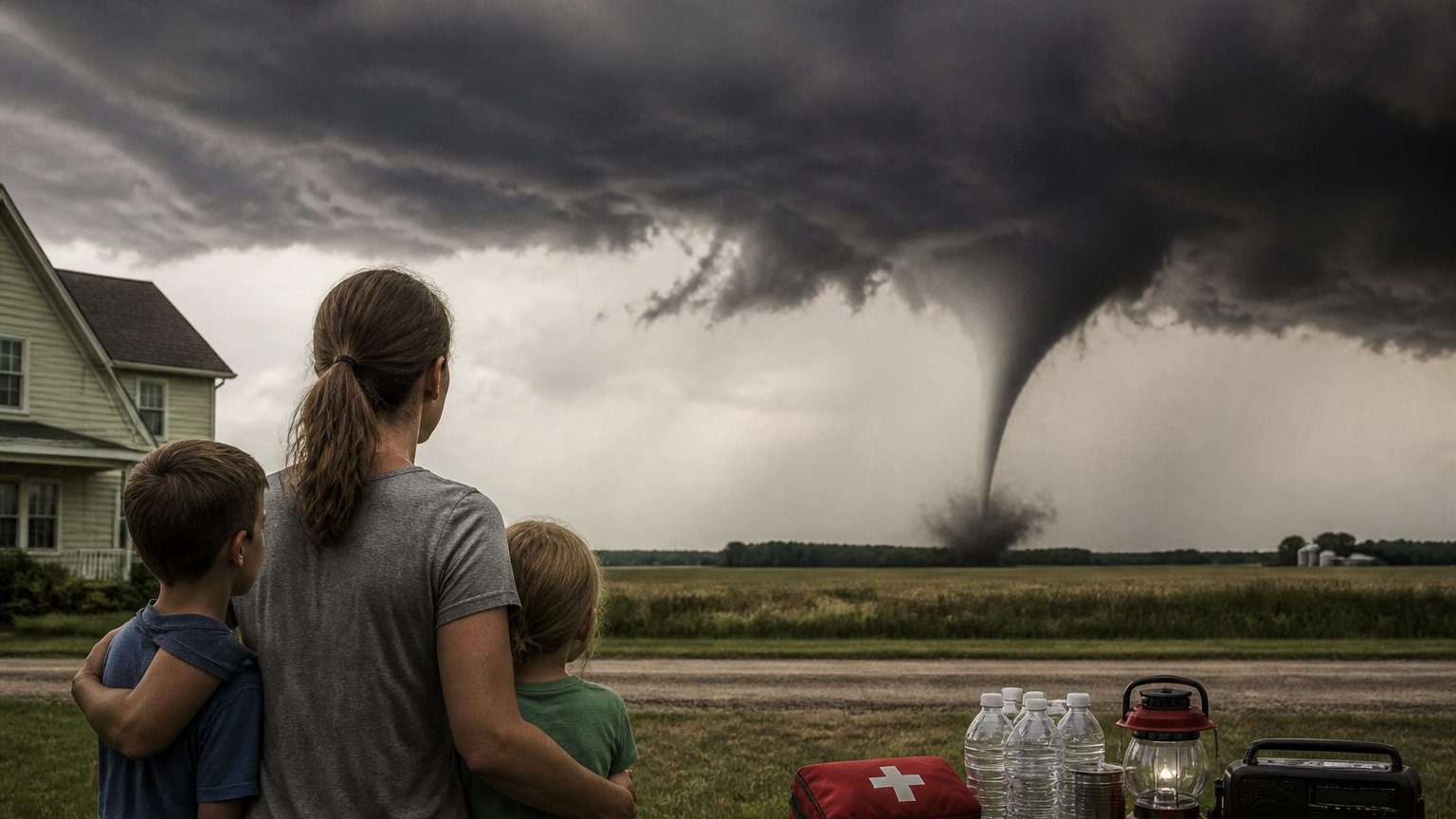
Opinion: Midwest tornadoes and flash floods are a hard reminder that nature does not wait for Washington, and communities pay the price when warnings, infrastructure, and response plans fall short. The storms that swept through the Midwest and Ohio Valley left at least four people dead, cut power to more than 800,000 customers, and set off fresh flood watches. That is not just a weather headline. It is a public-safety test.
When severe weather tears through a region, the first duty of government is plain: warn people early, keep the lights on if possible, and help communities recover fast when the storms pass. In this case, the scale of the outages alone tells you how quickly ordinary life can be upended. Families lose refrigerated food. Small businesses close. Roads become dangerous. Parents scramble to keep children safe and get to work. That is the real cost of these Midwest tornadoes, and it lands hardest on working Americans who can least afford the disruption.
There is also a broader lesson here about flood risk. Too often, Americans think of tornadoes and flooding as separate problems. In reality, they can arrive together, and one disaster can make the other worse. Heavy rain after destructive wind can turn already damaged neighborhoods into traps. That is why flood watches matter, even after the worst-looking part of the storm has moved on. People need clear alerts, not confusion; reliable forecasts, not bureaucratic delay.
Some will argue that storms like these are simply part of life in the Midwest and Ohio Valley, and that is true as far as it goes. Tornado country is tornado country. But accepting risk is not the same as accepting preventable failure. Communities can harden shelters, improve drainage, trim downed-tree hazards, and strengthen the power grid so outages do not drag on. Local leaders cannot stop the weather. They can decide whether their towns are better prepared when it hits.




Be the first to share your opinion on this story.