⚡ LATEST
Minnesota water cyberattack draws Trump, Walz clash

Minnesota water cyberattack draws Trump, Walz clash

Minnesota water cyberattack fears grew after Trump blamed the state, while investigators examined whether Iran could be involved.

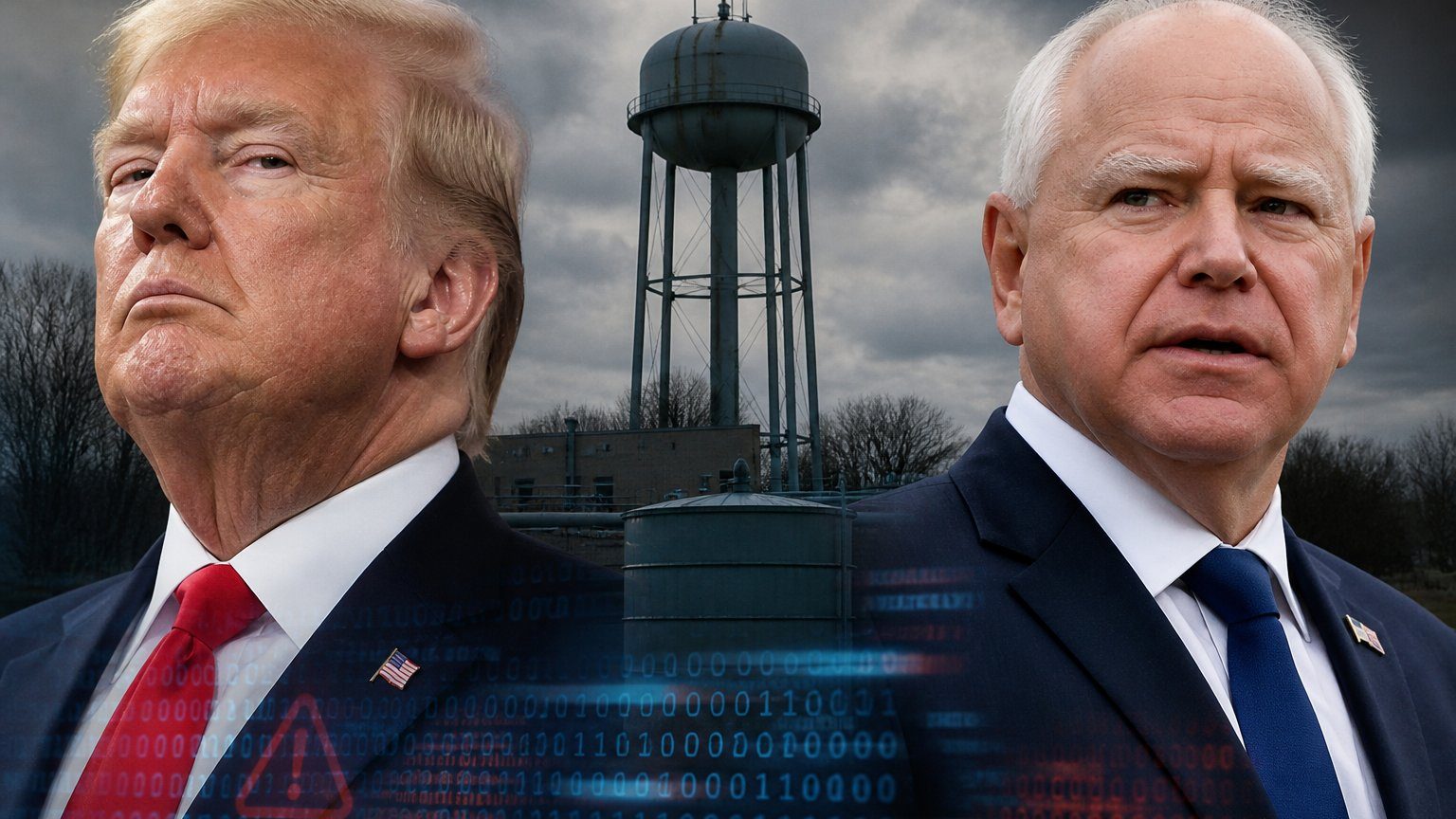
President Donald Trump has thrust the Minnesota water cyberattack into a political fight, blaming the state and its governor after investigators began examining whether Iran may have played a role. The dispute comes after Minnesota officials said dozens of community water systems were hit by a coordinated cyber-attack earlier this week.

Speaking at a cabinet meeting on Friday, Trump dismissed the Iran angle and instead blamed Minnesota, calling Governor Tim Walz corrupt and the state grossly incompetent. Walz fired back, saying Trump knows exactly who is responsible for this attack and knows that other states were hit too. The clash turned a technical security breach into a larger argument over responsibility, preparedness, and the federal response.

The Minnesota water cyberattack involved incidents on July 26 and 27, when equipment used for remote monitoring and control was affected, according to the state IT agency. The agency said investigators confirmed malicious activity involving a system’s technology, though not every community saw service disruptions. John Israel, Minnesota’s chief information security officer, said the state had shared relevant information with federal officials, who were reviewing the activity in a broader national context and working to determine whether a specific threat actor could be identified.

Media reports have said US investigators are looking into whether Iran was behind the incidents. Those investigators have described the assessment as preliminary and subject to change as more data comes in. The BBC contacted the Cybersecurity and Infrastructure Security Agency, which did not confirm the reports about a possible Iran link to the Minnesota attacks.

Federal agencies have been warning for months that water and wastewater systems remain exposed to cyber threats. CISA later said there has been a significant rise in hackers targeting water and wastewater systems, including attacks on automated computers known as PLCs and password changes designed to lock out operators. In some cases, those actions have led to boil water notices and forced systems to switch to manual operation.

The FBI and Environmental Protection Agency also issued a joint public service announcement saying water and wastewater companies in at least seven states had reported similar incidents, some of which led to degraded water options. Their notice said attackers remotely accessed internet-facing devices, then changed IP addresses and passwords, cutting off monitoring and control functions.

Officials have also tied the issue to a broader national security concern. CISA has previously warned about foreign cyber threats to water and wastewater systems, including groups linked to Iran. In April, the agency issued guidance about Iranian-affiliated hackers targeting internet-connected operational devices made by Rockwell Automation, and earlier this month it expanded that warning to include devices from other companies.

The episode matters because water systems are part of the country’s basic infrastructure, and there are 152,000 public drinking water systems and more than 16,000 wastewater treatment systems across the United States. The fight over the Minnesota water cyberattack underscores how quickly a local disruption can turn into a national security issue. For Americans, the takeaway is simple: the systems that keep water flowing are now a frontline target, and officials are warning that more attacks may follow.

Frequently asked questions

What happened in the Minnesota water cyberattack?
Minnesota officials said dozens of community water systems were hit in coordinated incidents on July 26 and 27. The state IT agency said equipment used for remote monitoring and control was affected, and investigators confirmed malicious activity involving a system’s technology.
Is Iran confirmed to be behind the attack?
No. Media reports said US investigators are looking into whether Iran was behind the incidents, but they described the assessment as preliminary and subject to change. CISA did not confirm the reports about a possible Iran link.
How did Trump and Walz respond?
Trump dismissed the Iran angle and blamed Minnesota, calling Governor Tim Walz corrupt and the state grossly incompetent. Walz said Trump knows exactly who is responsible and knows that other states were hit too.
Are other states seeing similar cyber incidents?
Yes. The FBI and EPA said water and wastewater companies in at least seven states had reported similar incidents, some of which led to degraded water options.

More from US News

View all →
📨

Never Miss a Story

Get the headlines that matter delivered straight to your inbox.