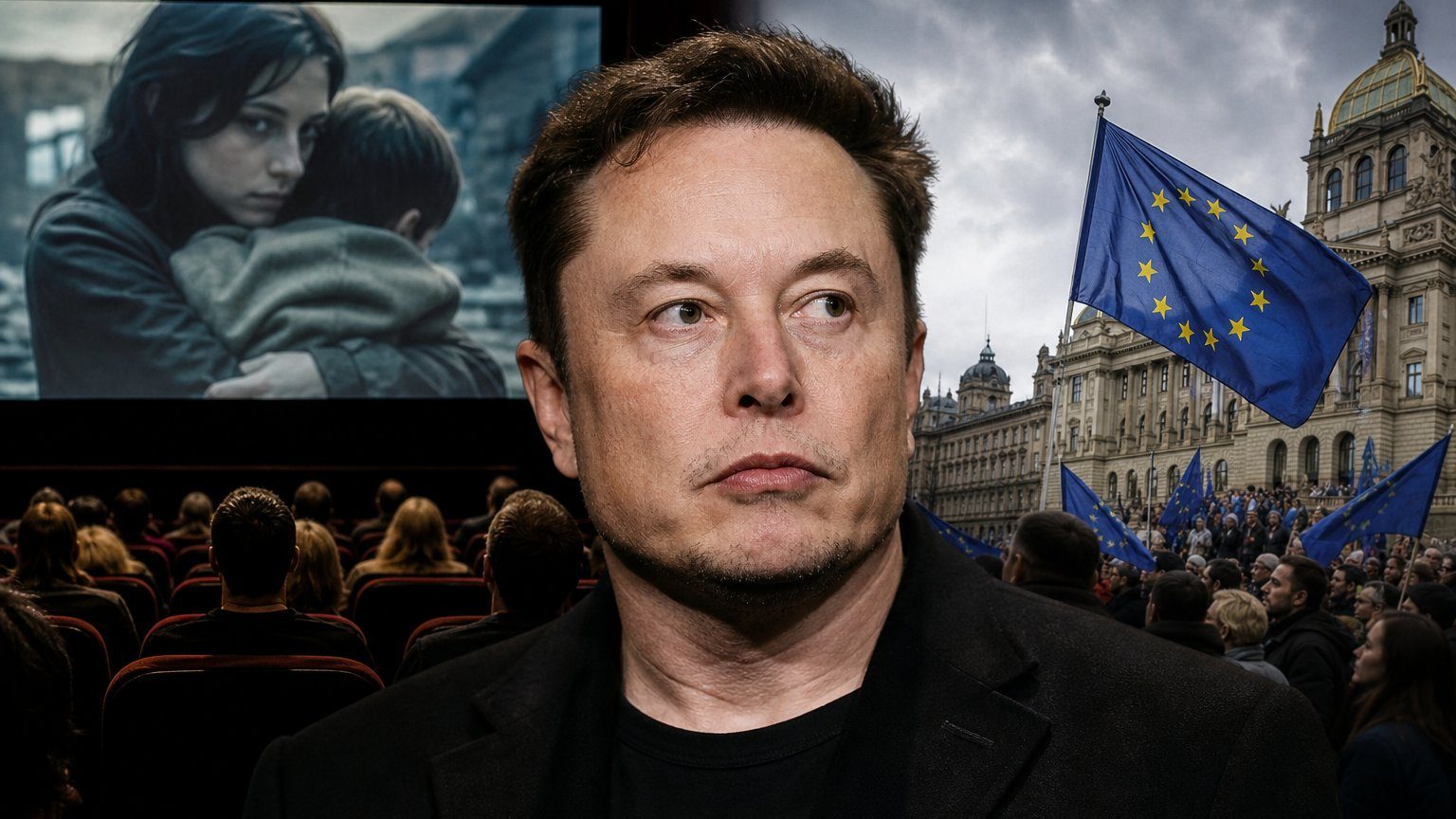
Elon Musk’s push for the anti-immigrant film Citizen Vigilante gave the project far more reach than it likely would have had on its own, turning the Musk-backed film into a fresh flashpoint in Europe’s argument over immigration, online speech and political extremism. The movie, which was initially denied a rating by Germany’s film regulator, had been expected to draw little notice before Musk amplified it on X.
Musk made the film available to watch free on his social platform for 48 hours in late June, a move that briefly drove it up the charts on several streaming services, including Apple and Amazon. He also reposted a message that described vigilante killing as the “moderate response” to violent crimes committed by immigrants. The film itself, directed by German filmmaker Uwe Boll and starring Armie Hammer, centers on an American vigilante who carries out a spree of killings in a fictional European country in the name of an anti-Muslim, anti-“woke” crusade.
The backlash has been sharp. Critics have attacked the film not only for its politics, but for its crude production values, weak plot and graphic violence. After the publicity burst from Musk’s promotion, Boll said the film brought in about $600,000 from streaming against a budget of $2 million. Variety called it “astonishingly bad,” while conservative commentator Rod Dreher described it as “fascist propaganda,” even as some on the right defended its grim portrait of a Europe in crisis.
Musk’s support for the film fits a broader pattern that has drawn closer scrutiny across Europe. Over recent months, he has repeatedly boosted right-wing politicians, activists and parties in countries including France, Germany, the Netherlands, Austria and the UK. He endorsed Marine Le Pen, the leader of France’s hard-right National Rally, and called her “France’s last hope.” He also reposted a video from far-right activist Tommy Robinson that suggested police treat criminals differently depending on skin color, adding that it was “literally true.”
His use of X is central to that influence. Musk bought the platform in 2022 and later stripped away many of its old moderation rules, which he and others had denounced as censorship. The result, critics say, is a network that has become more welcoming to far-right ideas and conspiracy theories. The story notes that Musk did not respond to requests for comment, but his posts and reposts have increasingly focused on race, white identity and claims that white people are under threat.