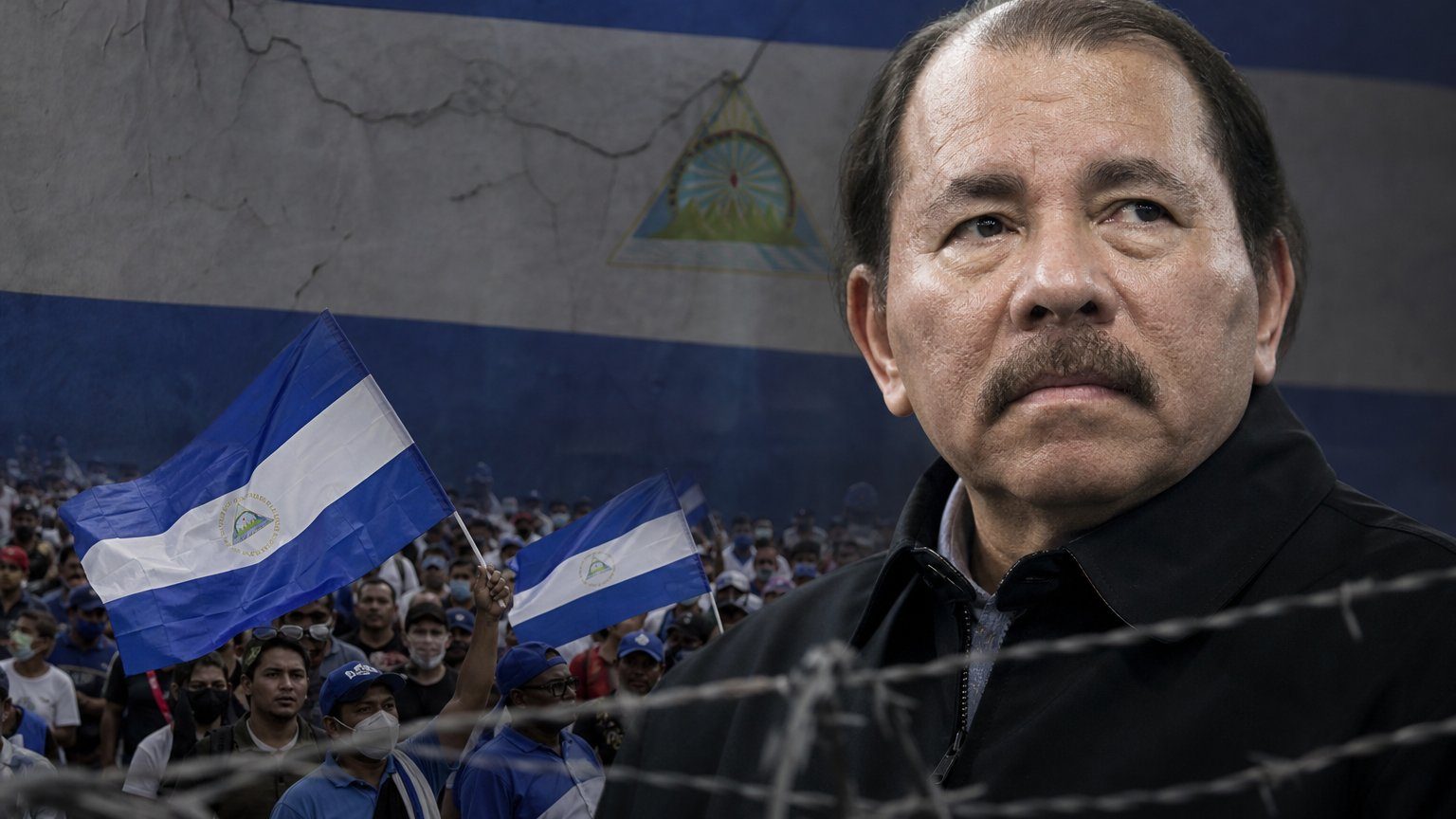
Nicaragua’s opposition ban is now under debate in the government-controlled National Assembly, with lawmakers set to vote in the first week of August. The move follows a new warning from President Daniel Ortega that there would be no more elections for his rivals to use in an attempt to take power, sharpening fears that the country is closing off political competition altogether.
Ortega, who is 80 and has ruled since 2007, made the remarks in a speech on Sunday tied to the anniversary of the 1979 Sandinista revolution. In that address, he accused the opposition of acting with US backing and said new laws would be used to build a barrier against what he called coup plotters. He also claimed those opponents would not be able to win, no matter how much money they received from the Americans.
The comments drew swift criticism from international and US officials. Volker Türk, the UN high commissioner for human rights, said people of every political view must be able to vote and run for office. US Secretary of State Marco Rubio said Ortega’s words exposed the regime’s true authoritarian character. Rubio also said Ortega and his wife, Rosario Murillo, whom he named his co-president, had given up even the appearance of popular consent.
Gustavo Porras, the head of Nicaragua’s National Assembly, brushed off the criticism in an interview with a government-aligned news site. He said lawmakers and the country’s top electoral authority were discussing how to leave no opening for the opposition to gain a foothold. That language suggests the debate is not about fair competition, but about how far the state is willing to go to lock out challengers.