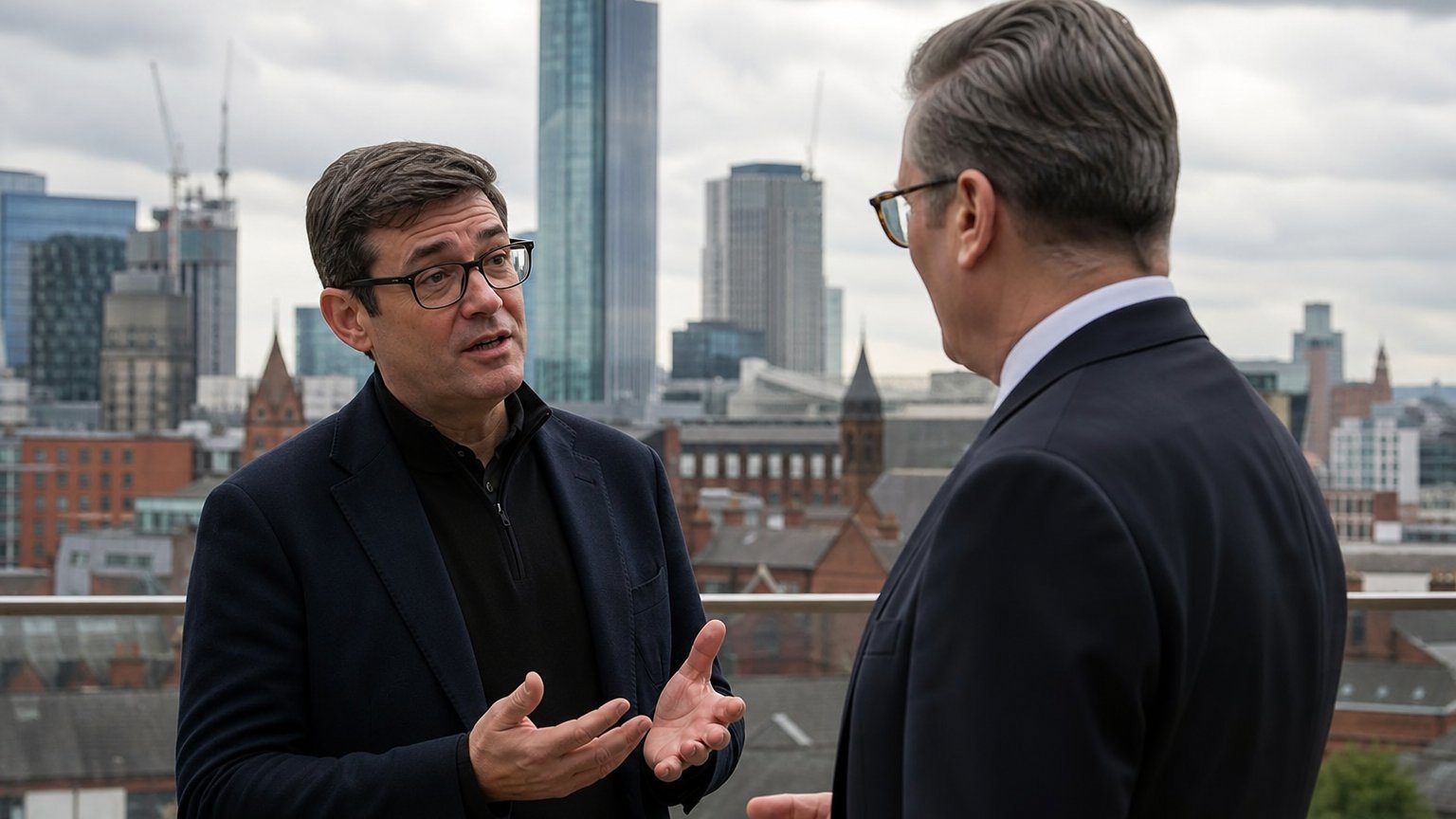
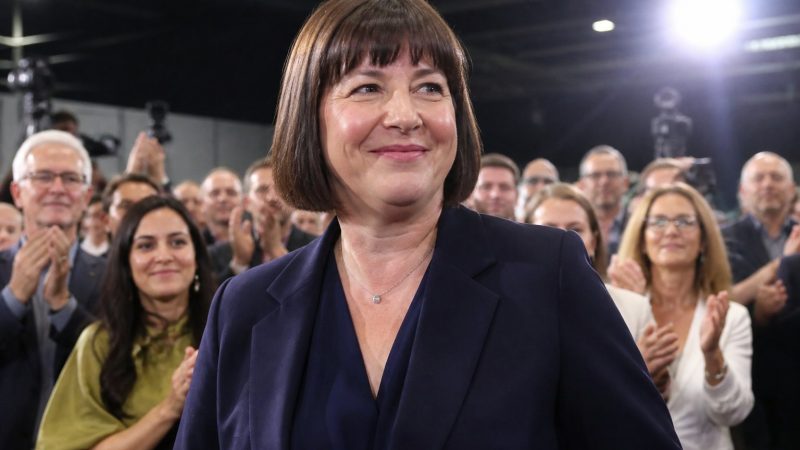
No 10 North in Manchester opened with Andy Burnham promising a wider power shift, while critics called it a gimmick and questioned the cost.
No 10 North in Manchester opened on Friday with Andy Burnham using the launch to argue for a major shift of power and decision-making away from London. The new branch of Downing Street in north-west England is part of the government’s effort to move influence, jobs and strategic authority closer to the regions, and Burnham said the office would help deliver growth across the country.
Standing alongside his new Chancellor John Healey, Burnham told staff that the move north showed he was rewiring the state. He said No 10 North would take that effort further, and told civil servants that the office was more than a new location. In his words, power, energy and new ideas would flow through it. He also stressed that the political backing for the project came from the top of government, saying the prime minister, chancellor and first secretary of state were all behind it.
The Manchester hub quickly drew sharp criticism from Conservative Party leader Kemi Badenoch, who dismissed it as a gimmick. She argued that it would not improve decision-making and would amount to another civil service branch in a different place. Badenoch also questioned the cost of the move and said Burnham should be focused on bigger economic questions, including how to create jobs and whether the government is doing enough on artificial intelligence. Liberal Democrat MP Calum Miller also pressed Burnham to show that No 10 North was more than a convenient Friday base for Manchester MPs and that it had a real role for rural and coastal communities.
Burnham, the former Mayor of Greater Manchester, said he understood why talks with London had often been difficult, describing the relationship as one where the balance of power had frequently felt tilted toward the centre. He said the new setup was meant to change that dynamic. He also argued that people should not fixate only on the cost of establishing the Manchester office, pointing instead to the cost of repeatedly sending people to London for meetings whenever arguments about policy need to be made.
“No 10 North in Manchester opened with Andy Burnham promising a wider power shift, while critics called it a gimmick and questioned the cost.”
The first week of Burnham’s leadership has already included moves aimed at easing pressure on living costs, including an announced 20% cut in business rates for pubs, social clubs and live music venues from April next year. At the Manchester launch, several cabinet ministers were also present, including Angela Rayner, Pat McFadden, Jonathan Reynolds, Yvette Cooper, Angela Eagle, Heidi Alexander and Miatta Fahnbulleh, underscoring that the site is being presented as a serious government operation rather than a symbolic outpost.
Burnham said No 10 North is intended to serve not only north-west England but every region and nation in the UK. He said he had agreed a version of the same idea for Scotland, Wales and Northern Ireland after meetings with first ministers and deputy first ministers this week. That broader design is central to the political argument behind the Manchester office: the government is trying to show that power can be spread beyond London without weakening the state’s reach.
There is also a practical backdrop. Strategic decisions on devolution and local economic growth are set to move to No 10 North from the Treasury and the Ministry of Housing, Communities and Local Government, although those departments will still have input. The office is currently based in Heron House in central Manchester, which it shares with intelligence agencies, while a new government site in Ancoats is under construction and is expected to be completed in 2032. Downing Street said the prime minister flew from London to Glasgow and then to Manchester for the meeting, and said ministers would use appropriate transport when needed for operational, security and scheduling reasons.
The wider pattern is clear: successive governments have tried to push more civil servants out of London, and a target set last year aimed to cut capital-based roles by 12,000. The most recent figures show only about one in five civil servants are now based in London, although senior posts outside the capital still lag behind. For Americans watching from afar, the story shows how governments try to spread power, reduce centralization and prove they can serve neglected regions more fairly. The real test for No 10 North will be whether it changes how decisions are made, or just where they are made.
Frequently asked questions
What is No 10 North meant to do?
It is intended to shift influence, jobs and strategic authority closer to the regions. Burnham said it should help deliver growth across the country and serve every region and nation in the UK.
Why is the Manchester office controversial?
Kemi Badenoch dismissed it as a gimmick and said it would not improve decision-making. She also questioned the cost and argued Burnham should focus on jobs and artificial intelligence.
Will No 10 North only serve north-west England?
No. Burnham said it is intended to serve not only north-west England but every region and nation in the UK. He also said similar versions were agreed for Scotland, Wales and Northern Ireland.
What work will be done from the new office?
Strategic decisions on devolution and local economic growth are set to move there from the Treasury and the Ministry of Housing, Communities and Local Government, though those departments will still have input.
We value your privacy 🍪We use cookies for essential features and, if you allow it, to send you a notification whenever we publish a new story. See our Privacy Policy.
📨
Never Miss a Story
Get the headlines that matter delivered straight to your inbox.
📱 On iPhone: tap the Share icon, choose “Add to Home Screen”, then open TheTrueDefender from your Home Screen and tap 🔔 to turn on notifications. (Apple only allows notifications for saved web apps.)
📱 Add TheTrueDefender to your home screen for one-tap access.