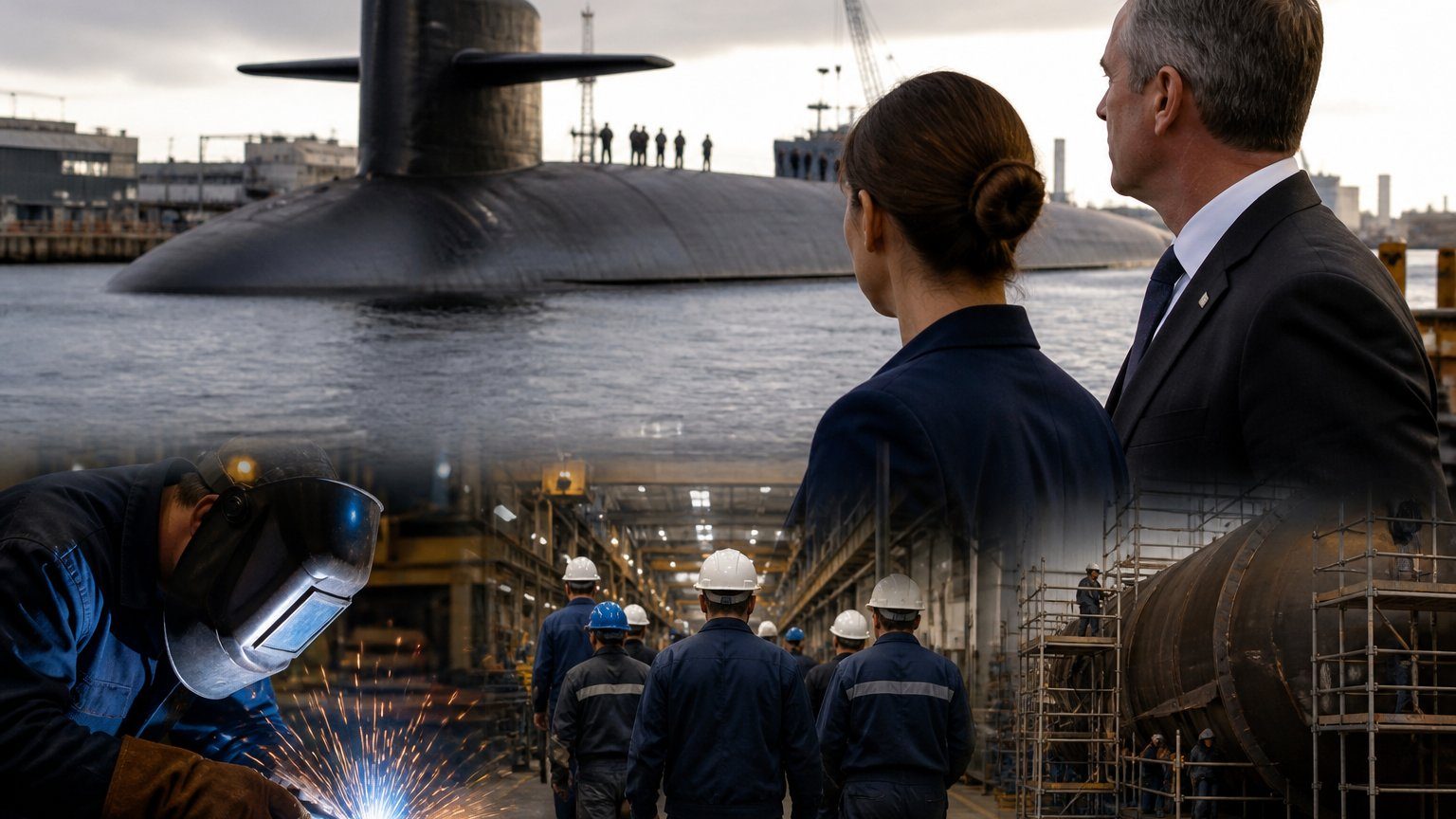
The nuclear submarine plan will get £8.4bn as Andy Burnham prepares to visit Barrow-in-Furness and highlight 47,000 jobs and apprenticeships.
The nuclear submarine plan is being sold as both a security measure and a jobs engine, with Andy Burnham saying the programme will help protect Britain for decades while supporting thousands of workers and apprentices. Ahead of a visit to Barrow-in-Furness, where four new Dreadnought-class submarines are under construction, Burnham set out the case for continued investment in the UK’s nuclear deterrent and linked it directly to economic gains in places built around defence work.
The project to replace Britain’s current nuclear submarines is set to receive £8.4bn to keep progress moving toward service readiness. Burnham said security is not just about weapons and platforms, but about who builds them and who benefits from the work. He added that the submarines produced in Barrow will support 47,000 jobs and apprenticeships and, in his words, will help change lives in the town and other communities like it. The government says the wider nuclear defence effort currently supports about 47,000 British jobs and is expected to rise to 65,000 by 2030, including 22,000 apprenticeships by 2035.
The announcement comes as pressure builds around how the government will pay for wider defence promises. Burnham has said he wants to honour the UK’s commitments on defence spending, including a Nato target of spending 3.5% of national income by 2035. There is also a separate pledge to lift defence spending to 3% of GDP, and that target is likely to draw scrutiny as ministers face the problem of finding the money. John Healey resigned as defence secretary under Sir Keir Starmer’s leadership over frustration that no clear timeline had been set for meeting that goal.
Wes Streeting, now serving as defence secretary, declined to confirm in an interview with BBC Breakfast whether the prime minister would commit to the 3% target. He said he was confident the prime minister and the chancellor would deliver what the armed forces need, but insisted that any new spending commitments would have to be matched with clear funding plans. He said ministers would not set out fresh spending before the Budget or the spending review if doing so meant promising money without explaining how it would be paid for.
“The nuclear submarine plan will get £8.4bn as Andy Burnham prepares to visit Barrow-in-Furness and highlight 47,000 jobs and apprenticeships.”
The Dreadnought-class submarines are meant to replace the four Vanguard-class vessels that have carried Trident missiles since 1992. Those older submarines are expected to leave service in the 2030s, around the same time the new fleet is due to come in. The programme has been more than two decades in the making. It was first announced in 2006 by then Labour prime minister Tony Blair, and MPs gave formal approval in 2016. Thursday’s funding marks the start of what has been described as the fourth phase of the project.
The money was already planned and was included in the Defence Investment Plan released in the final days of Sir Keir Starmer’s government. That plan set out £63.6bn over four years for the Defence Nuclear Enterprise. Of that, £47bn is set to go toward keeping the current submarine force running, advancing the Dreadnoughts, beginning work on a possible future replacement, and building additional submarines while also upgrading naval docks and manufacturing facilities.
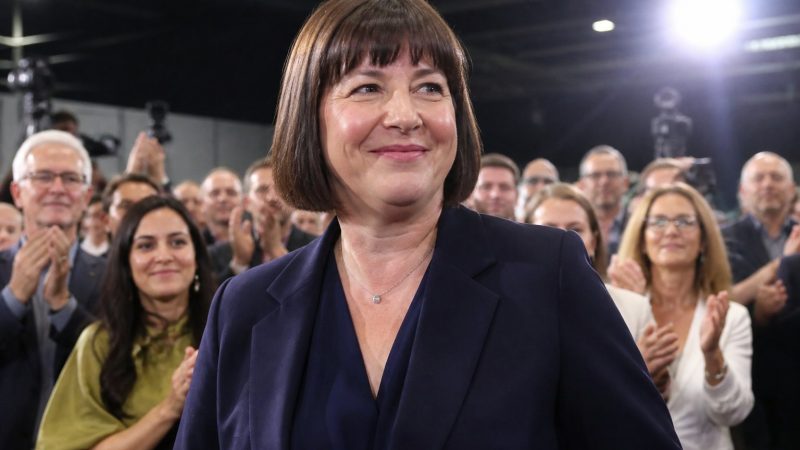
Burnham is expected to use his visit to Barrow-in-Furness to press a broader argument that defence spending can deliver economic benefits as well as military strength. He has also made reducing the number of young people not in employment, education or training part of his agenda, and has announced support for apprenticeships. In addition, he has said public procurement should favour companies that offer 45-day work placements, describing a greater emphasis on social value in public contracts. He said the idea was shaped by his time as Greater Manchester mayor, when he saw an increase in such placements from private firms.
Opposition figures were quick to respond. Conservative shadow defence secretary James Cartlidge welcomed progress on the submarine programme but accused Burnham of failing to fully commit to defence funding. Liberal Democrat defence spokesperson James MacCleary called for defence bonds to raise dedicated money for rebuilding armed forces capabilities. Reform UK’s Danny Kruger dismissed the plan as a recycled spending proposal that did not solve the crisis in the nuclear programme. Green Party Westminster leader Ellie Chowns questioned spending billions on weapons that she said should never be used. For Americans watching from afar, the fight shows how Britain is trying to balance deterrence, jobs and fiscal discipline — and the takeaway is simple: big defence promises only matter if leaders can explain how they will pay for them.
Frequently asked questions
What is the £8.4bn funding for?
It is meant to keep the programme replacing Britain’s current nuclear submarines moving toward service readiness. The Dreadnought-class boats will replace the Vanguard-class submarines.
How many jobs does the submarine programme support?
Burnham said the submarines produced in Barrow will support 47,000 jobs and apprenticeships. The government says the wider nuclear defence effort currently supports about 47,000 jobs and could rise to 65,000 by 2030.
What is the Dreadnought programme replacing?
It is replacing the four Vanguard-class submarines that have carried Trident missiles since 1992. Those older submarines are expected to leave service in the 2030s.
Why is the defence spending plan drawing scrutiny?
Because ministers face pressure to explain how they will pay for wider defence commitments, including a possible target of spending 3% of GDP on defence. Wes Streeting said new commitments must come with clear funding plans.
We value your privacy 🍪We use cookies for essential features and, if you allow it, to send you a notification whenever we publish a new story. See our Privacy Policy.
📨
Never Miss a Story
Get the headlines that matter delivered straight to your inbox.
📱 On iPhone: tap the Share icon, choose “Add to Home Screen”, then open TheTrueDefender from your Home Screen and tap 🔔 to turn on notifications. (Apple only allows notifications for saved web apps.)
📱 Add TheTrueDefender to your home screen for one-tap access.