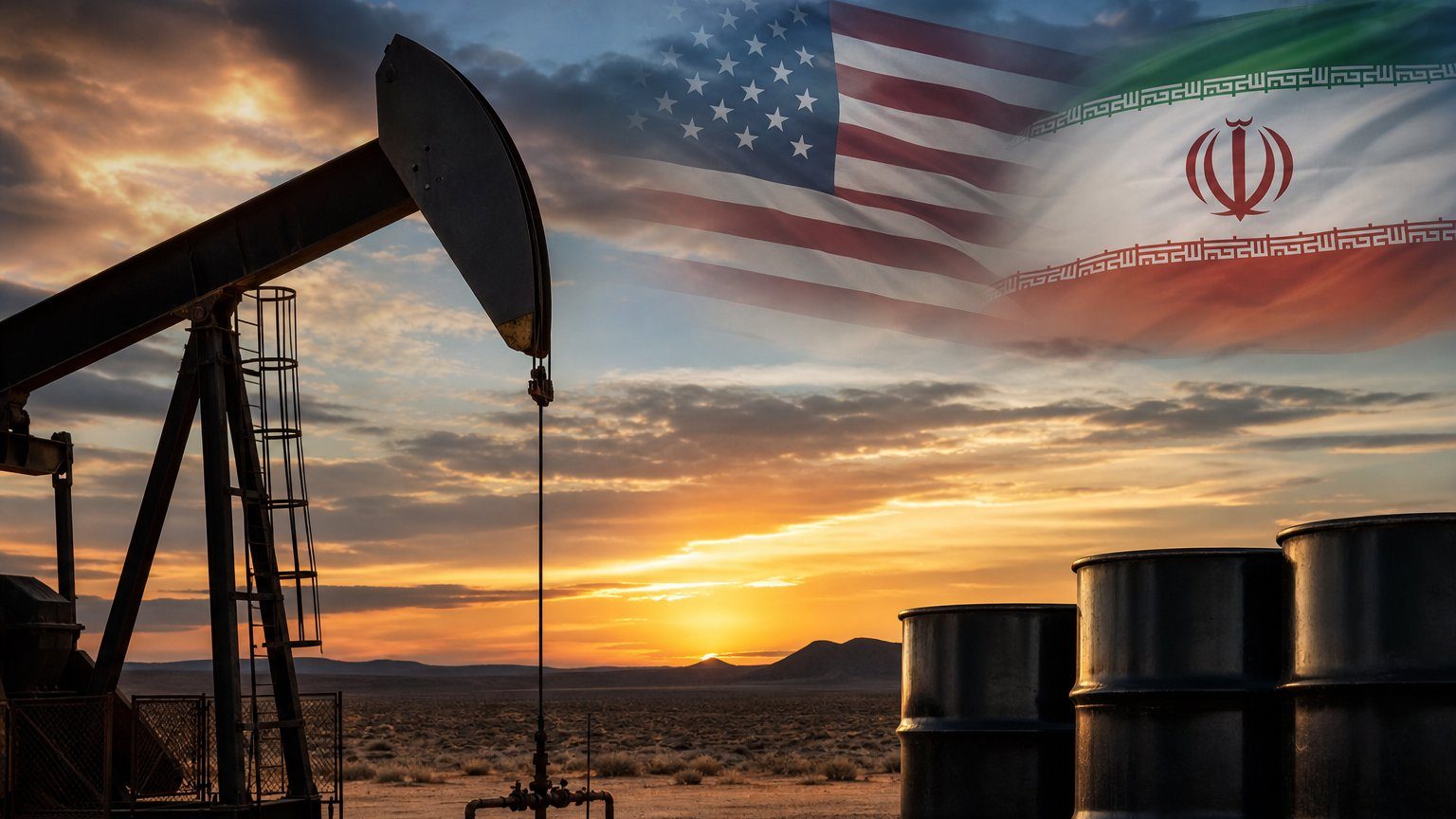
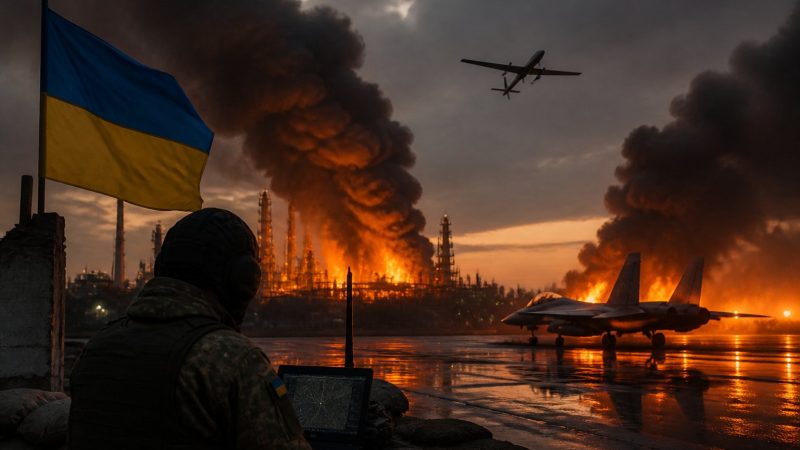
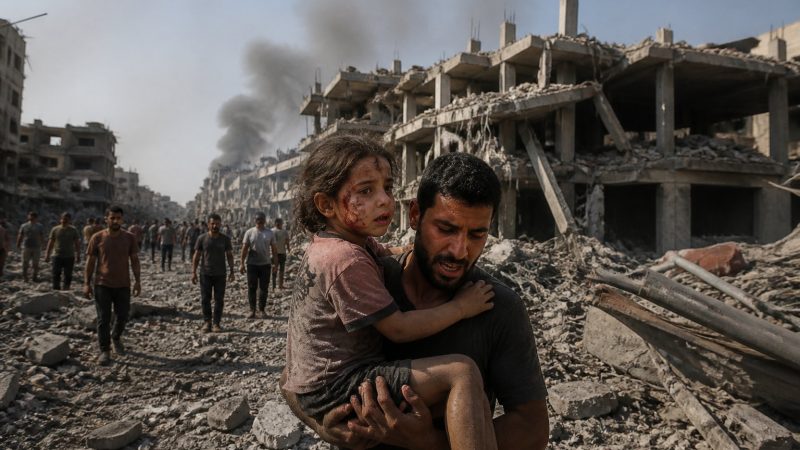
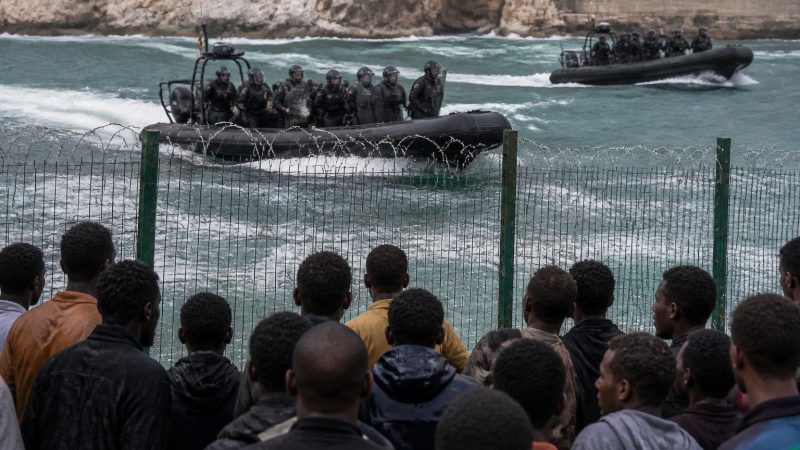
The oil price drops after the US said strikes on Iran were paused again, raising hopes talks could ease the conflict and steady supplies.
The oil price drops as the United States and Iran paused strikes again, with markets betting that a temporary break in the fighting could open the door to talks and ease pressure on global energy supplies. Brent crude, the main international benchmark, fell more than nine percent at one point to $87.59 a barrel, a sharp reversal after it had climbed above $100 only days earlier.
The move followed comments from the US ambassador to the United Nations, who said attacks on Iran had been halted for a second night in a row to give talks some space. An Iranian army spokesperson said on Sunday that Tehran had stopped retaliatory attacks in the region in response. Investors took those signals as a possible sign that the conflict might cool, even if only briefly.
That shift matters because the conflict has already shown how quickly military tensions can hit energy markets. The outbreak of the Iran war sent oil prices higher after the Strait of Hormuz, a crucial shipping route that normally carries about 20% of the world's oil and liquefied natural gas, was effectively closed. When Iran and the United States signed a memorandum of understanding in June to halt military operations and reopen the strait, prices eased back toward pre-war levels of around $70 a barrel.
But the ceasefire collapse earlier this month brought those fears back. Last week, oil touched $100 a barrel for the first time since May, and worries increased again after Houthi militia in Yemen attacked oil tankers in the Red Sea. That raised alarm over another vital export route that Saudi Arabia had used to bypass the Strait of Hormuz.
“The oil price drops after the US said strikes on Iran were paused again, raising hopes talks could ease the conflict and steady supplies.”
Analysts said the market was reacting to each new turn in the standoff. Susannah Streeter, chief investment strategist at Wealth Club, said markets were staying cautious because of the back-and-forth in the conflict. She added that there is still significant uncertainty in prices and hesitation over whether negotiations will lead to a lasting breakthrough.
The oil price drops came alongside broader stress in energy markets. Wholesale gas prices have also been moving higher, and a Wood Mackenzie analysis published last week said European gas storage was at a historic low. The firm warned that supply security for this winter was at risk. It said that if the Strait of Hormuz stays closed for another two months, storage would end up below 70% by November one, far under the five-year average of 90% for that date.
Massimo Di Odoardo, vice president of gas and LNG research at Wood Mackenzie, said low European inventories, strong Asian demand and limited new LNG supply growth almost guarantee elevated prices through this winter and into 2027. The conflict between the United States and Iran has also pushed up petrol and diesel costs in many countries, with higher transport bills often feeding into food prices and broader inflation.
That chain reaction has policy consequences beyond the Middle East. Rising inflation can push central banks to keep rates higher for longer, or raise them again, in an effort to restrain price growth. The European Central Bank already lifted its key rate in June for the first time in almost three years, saying the conflict was generating inflation pressures. In the United Kingdom, markets are no longer expecting the cuts that had once been anticipated, and the Bank of England is due to hold its latest rate-setting meeting this week, with no change expected to its key rate of 3.75%. For American readers, the takeaway is simple: when conflict moves through a chokepoint like Hormuz, the shock can spread from oil to gasoline, groceries and interest rates.
Frequently asked questions
Why did oil prices fall in this story?
Prices fell after the United States and Iran paused strikes again, and investors saw a possible opening for talks. Brent crude dropped more than nine percent at one point to $87.59 a barrel.
What role does the Strait of Hormuz play in the oil market?
The Strait of Hormuz is a crucial shipping route that normally carries about 20% of the world's oil and liquefied natural gas. When it was effectively closed, oil prices rose sharply.
What happened to oil prices earlier in the conflict?
After the June memorandum of understanding to halt military operations and reopen the strait, prices eased back toward around $70 a barrel. They later rose again when the ceasefire collapsed, with oil touching $100 last week.
How is this conflict affecting more than just oil prices?
The article says wholesale gas prices have also risen, European gas storage was at a historic low, and higher transport costs can feed into food prices and inflation. That can pressure central banks to keep interest rates higher for longer.
We value your privacy 🍪We use cookies for essential features and, if you allow it, to send you a notification whenever we publish a new story. See our Privacy Policy.
📨
Never Miss a Story
Get the headlines that matter delivered straight to your inbox.
📱 On iPhone: tap the Share icon, choose “Add to Home Screen”, then open TheTrueDefender from your Home Screen and tap 🔔 to turn on notifications. (Apple only allows notifications for saved web apps.)
📱 Add TheTrueDefender to your home screen for one-tap access.