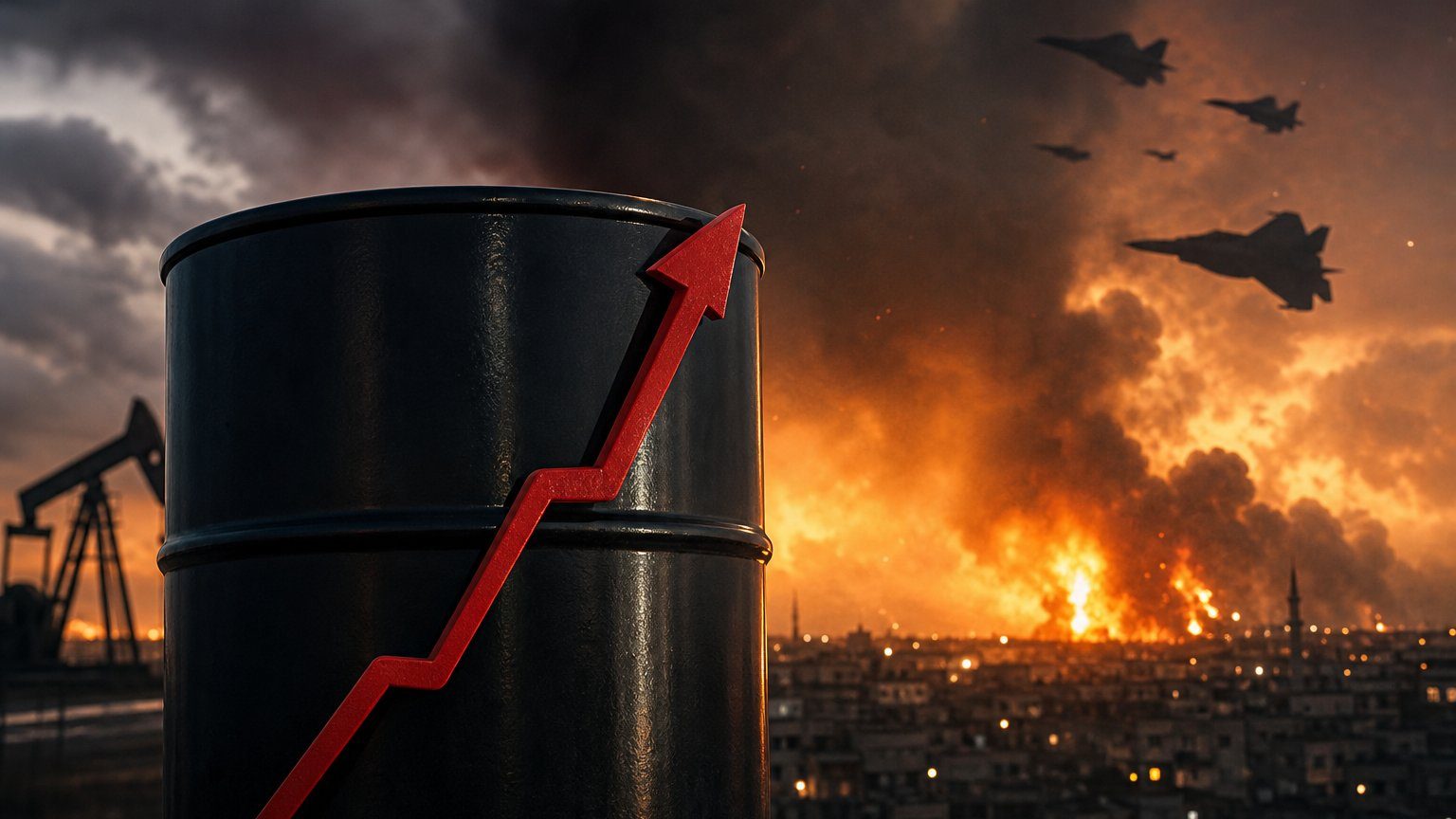
Oil prices hit $100 a barrel as the Middle East conflict worsened, raising fresh worries about fuel costs and inflation in the US and beyond.
Oil prices hit $100 a barrel for the first time since May as the Middle East conflict rattled energy markets and revived fears about supply. The move came after Brent crude, the global oil benchmark, climbed more than 6% on Thursday during a stretch of gains tied to the latest military escalation involving the United States and Iran.
The jump followed attacks on oil tankers in the Red Sea by Houthi militia in Yemen, a route that matters because it threatens shipping through a corridor Saudi Arabia has used to move oil while avoiding the Strait of Hormuz. That added another layer of risk to a market already on edge. The result has been a renewed surge in energy prices, with gasoline and other fuel costs rising alongside crude.
Oil had been drifting lower after what had looked like a temporary ceasefire between the US and Iran. Prices had fallen back to levels last seen before US and Israeli military action against Iran on 28 February. But that calm did not hold. This week, US Secretary of State Marco Rubio said the people in charge in Iran were not ready to make a deal, underscoring how fragile the diplomatic picture has become.
Consumers are already feeling some of the strain. Average gasoline prices in the US have moved back above $4 a gallon, up from $3.92 a month ago, according to AAA. In the UK, petrol prices have risen 5p a litre since the beginning of July, reaching almost £1.56, while diesel is averaging £1.72 a litre, according to the RAC. The benchmark UK gas price is also sitting around 150p per therm, up sharply from around 98p at the end of June.
“Oil prices hit $100 a barrel as the Middle East conflict worsened, raising fresh worries about fuel costs and inflation in the US and beyond.”
The broader concern is not just what drivers pay at the pump. Analysts say higher oil prices can work their way through the whole economy, lifting transportation costs for businesses and then showing up in the price of food and other goods. That is the kind of pressure that can complicate the fight against inflation on both sides of the Atlantic.
Inflation has eased in recent months, falling to 2.6% in the UK in the year to June and to 3.5% in the US. But the new spike in energy costs raises the question of whether that progress will last. If fuel stays expensive, households could face higher costs for everyday goods, and policymakers may have to decide whether borrowing costs need to stay elevated for longer.
Central banks are already watching the situation closely. The Bank of England has held rates at 3.75% in its last four meetings. Paul Dales of Capital Economics said he believes the bank will almost certainly hold again, though analysts still expect cuts next year if energy prices ease. In the US, newly appointed Federal Reserve chair Kevin Warsh told Congress that the central bank has no tolerance for persistently elevated inflation and said he is committed to restoring price stability as the Middle East conflict feeds into prices. For American families, the takeaway is simple: unrest overseas can still show up in the cost of gas, groceries, and borrowing at home.
Frequently asked questions
Why did oil prices jump to $100 a barrel?
Prices rose after the Middle East conflict intensified, including military escalation involving the United States and Iran. Houthi attacks on oil tankers in the Red Sea added more supply risk.
How are consumers already being affected?
US average gasoline prices moved back above $4 a gallon, while UK petrol and diesel prices have also risen. UK gas prices have climbed sharply as well.
Why does the Red Sea matter for oil markets?
The article says the Red Sea route matters because it threatens shipping through a corridor Saudi Arabia has used to move oil while avoiding the Strait of Hormuz.
What are central banks doing in response to the energy-price spike?
The Bank of England has held rates at 3.75% in its last four meetings and is expected to hold again. In the US, Kevin Warsh said the Federal Reserve will not tolerate persistently elevated inflation.
We value your privacy 🍪We use cookies for essential features and, if you allow it, to send you a notification whenever we publish a new story. See our Privacy Policy.
📨
Never Miss a Story
Get the headlines that matter delivered straight to your inbox.
📱 On iPhone: tap the Share icon, choose “Add to Home Screen”, then open TheTrueDefender from your Home Screen and tap 🔔 to turn on notifications. (Apple only allows notifications for saved web apps.)
📱 Add TheTrueDefender to your home screen for one-tap access.