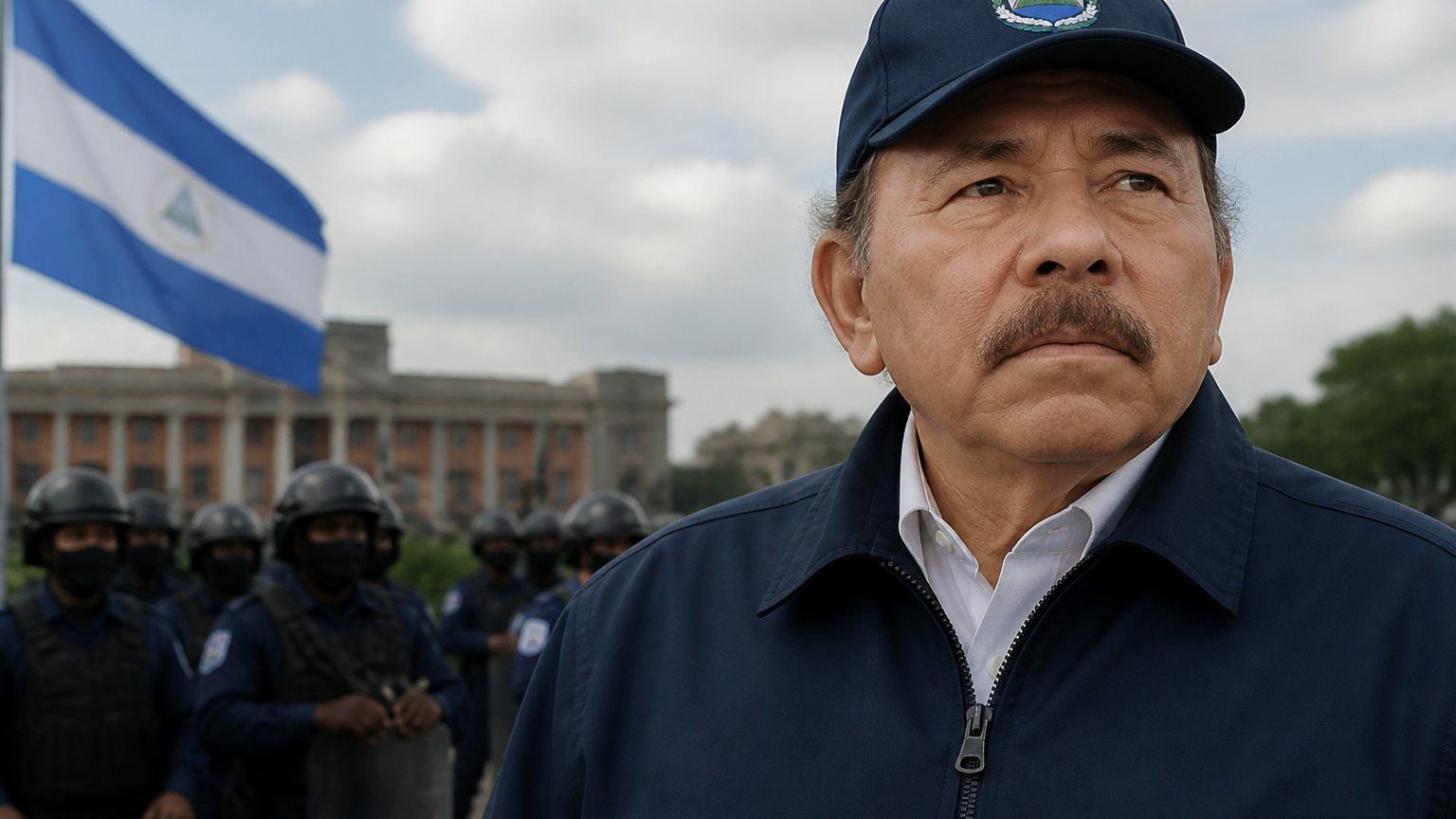
Daniel Ortega is moving to keep his grip on Nicaragua’s presidency a little longer. The Nicaragua term extension proposal would add another year to the presidential term, and the government-controlled National Assembly is expected to approve it in September.
The plan is part of a broader constitutional overhaul that would also block opposition figures the government labels as “traitors” or “coup plotters” from seeking office. That step would give Ortega’s allies another tool to shut out political challengers, even as his rule has already become more restrictive over time.
Ortega, now eighty, has led Nicaragua since 2007. During his years in power, the presidential term has been altered more than once. The National Assembly removed presidential term limits in 2014, then extended the term from five years to six in 2024. The same legislature also approved Ortega’s plan to name his wife, Rosario Murillo, as co-president.
That move created a path for Murillo to take over if Ortega is declared permanently absent. The source says Ortega is believed to be in frail health, though no further details are provided. Together, the term changes and the co-presidency arrangement show how Nicaragua’s political system has been reshaped around one ruling family and a loyal legislature.
The pressure on opponents has been building for years. Nicaragua’s last presidential election was held in November 2021, and Ortega won after a harsh crackdown that removed serious rivals from the ballot. Potential candidates with real support were detained, disqualified, or forced into exile, while dozens of other opposition members were also arrested. Only a few obscure candidates were left on the ballot, making the race a one-sided contest.