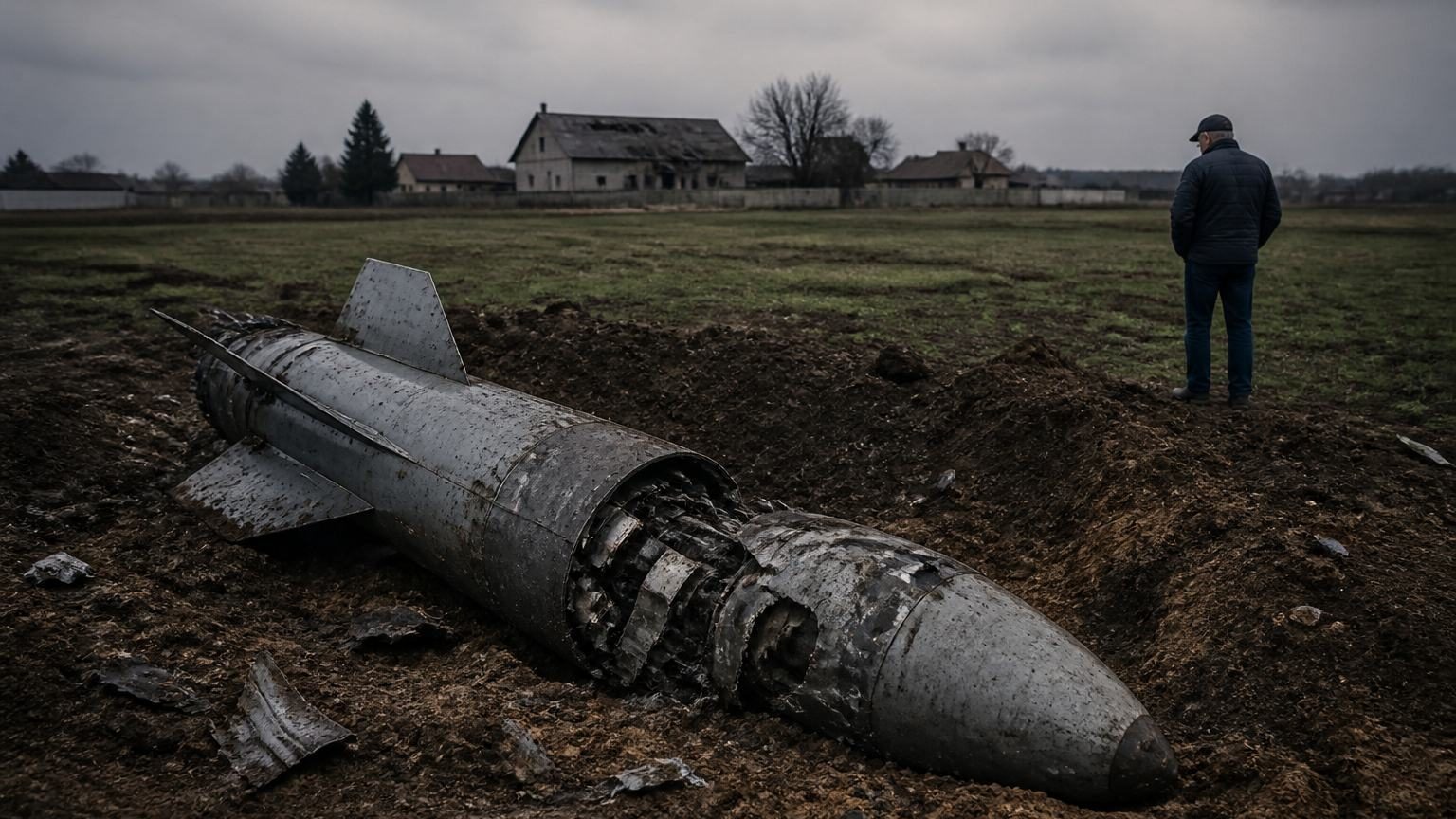
The Poland missile crash near Lublin has put Europe on edge after a crater appeared in eastern Poland and Donald Tusk said the object was probably Russian.
The Poland missile crash near Lublin is a reminder that the war in Ukraine does not stay neatly inside Ukraine’s borders. When an object falls in eastern Poland and leaves a crater, people across Europe have every right to pay attention. This is not a distant abstraction. It is a live test of how close this conflict can come to NATO territory.
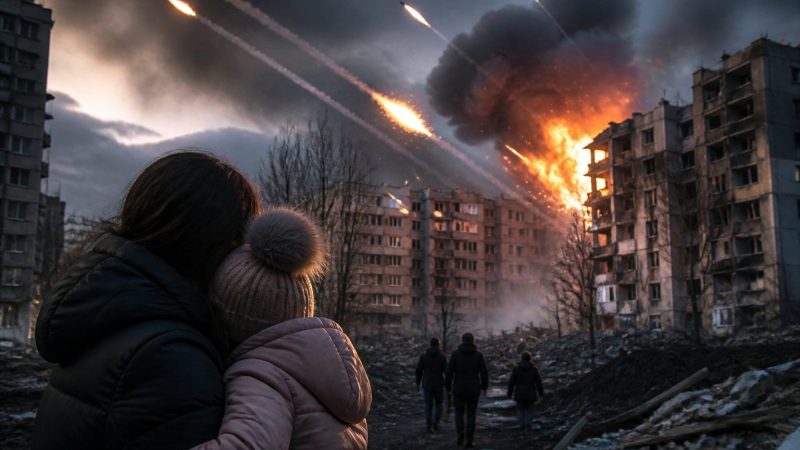
According to the context at hand, the object came down after a Russian strike on Ukraine, and Donald Tusk said it was probably Russian. That matters because the difference between a missile that lands by accident and a missile that crosses a border on purpose is huge. In a tense moment like this, the first duty of leaders is to speak carefully, confirm the facts, and avoid turning uncertainty into a new crisis.
There is a fair argument for restraint. A fast conclusion can make a bad situation worse. If officials rush to assign blame before the evidence is clear, they risk deepening the conflict and dragging allies into a response that may not fit the facts. Responsible government means collecting the pieces, checking the trajectory, and telling the public what is known and what is not.
But there is also a fair argument for urgency. A crater in Poland is not a minor incident. Poland is a frontline NATO country, and any missile crash near Lublin raises legitimate questions about air defenses, border security, and the risk to civilians. People want their governments to take that threat seriously, not wave it away with polished language and vague reassurances.
“The Poland missile crash near Lublin has put Europe on edge after a crater appeared in eastern Poland and Donald Tusk said the object was probably Russian.”
That is why the Poland missile crash deserves more than political theater. Leaders should focus on evidence, allied coordination, and clear communication. The public does not need panic. It needs honesty. If the object was Russian, that is a grave matter. If the facts end up being more complicated, the public should hear that too. Trust is built when officials resist the temptation to oversell certainty.
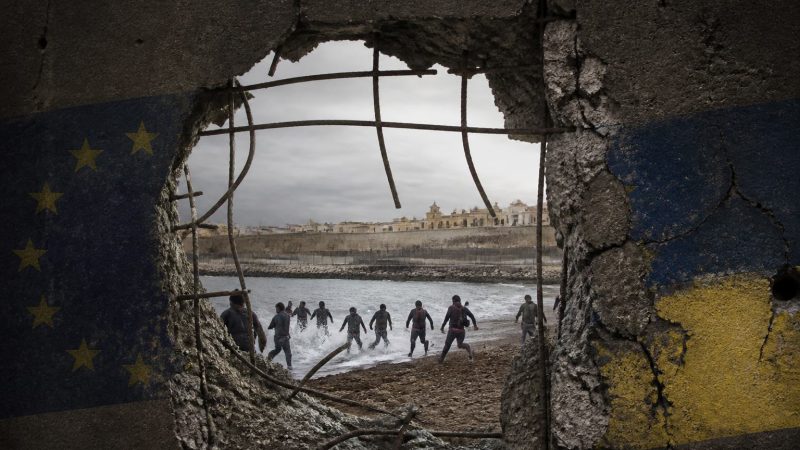
For Americans, this is not just a European story. The United States has a direct stake in NATO credibility, regional stability, and the broader message sent to Moscow. When a strike tied to the Ukraine war appears to spill over into Poland, it reminds us that peace in Europe still depends on strength, caution, and disciplined alliances. Weakness invites miscalculation. Clear-eyed resolve helps keep a dangerous situation from getting worse.
The right response is neither panic nor dismissal. It is steady pressure for facts, accountability, and calm leadership. That is how free nations protect themselves when a border incident like the Poland missile crash raises the temperature overnight — why this matters to you: what happens near Lublin can shape America’s security, its alliances, and the risk of a wider war.
Frequently asked questions
What happened near Lublin in Poland?
An object came down in eastern Poland near Lublin and left a crater. The article says it happened after a Russian strike on Ukraine.
Who did Donald Tusk say was probably responsible?
Donald Tusk said the object was probably Russian. The article says that conclusion should still be handled carefully until the facts are confirmed.
Why does the article say officials should be cautious about assigning blame?
It argues that rushing to blame before evidence is clear could worsen the conflict and pull allies into a response that does not fit the facts.
Why is this incident important beyond Poland?
The article says it matters for NATO credibility, regional stability, and the U.S. because it raises the risk of the Ukraine war spilling beyond Ukraine.
We value your privacy 🍪We use cookies for essential features and, if you allow it, to send you a notification whenever we publish a new story. See our Privacy Policy.
📨
Never Miss a Story
Get the headlines that matter delivered straight to your inbox.
📱 On iPhone: tap the Share icon, choose “Add to Home Screen”, then open TheTrueDefender from your Home Screen and tap 🔔 to turn on notifications. (Apple only allows notifications for saved web apps.)
📱 Add TheTrueDefender to your home screen for one-tap access.

Be the first to share your opinion on this story.