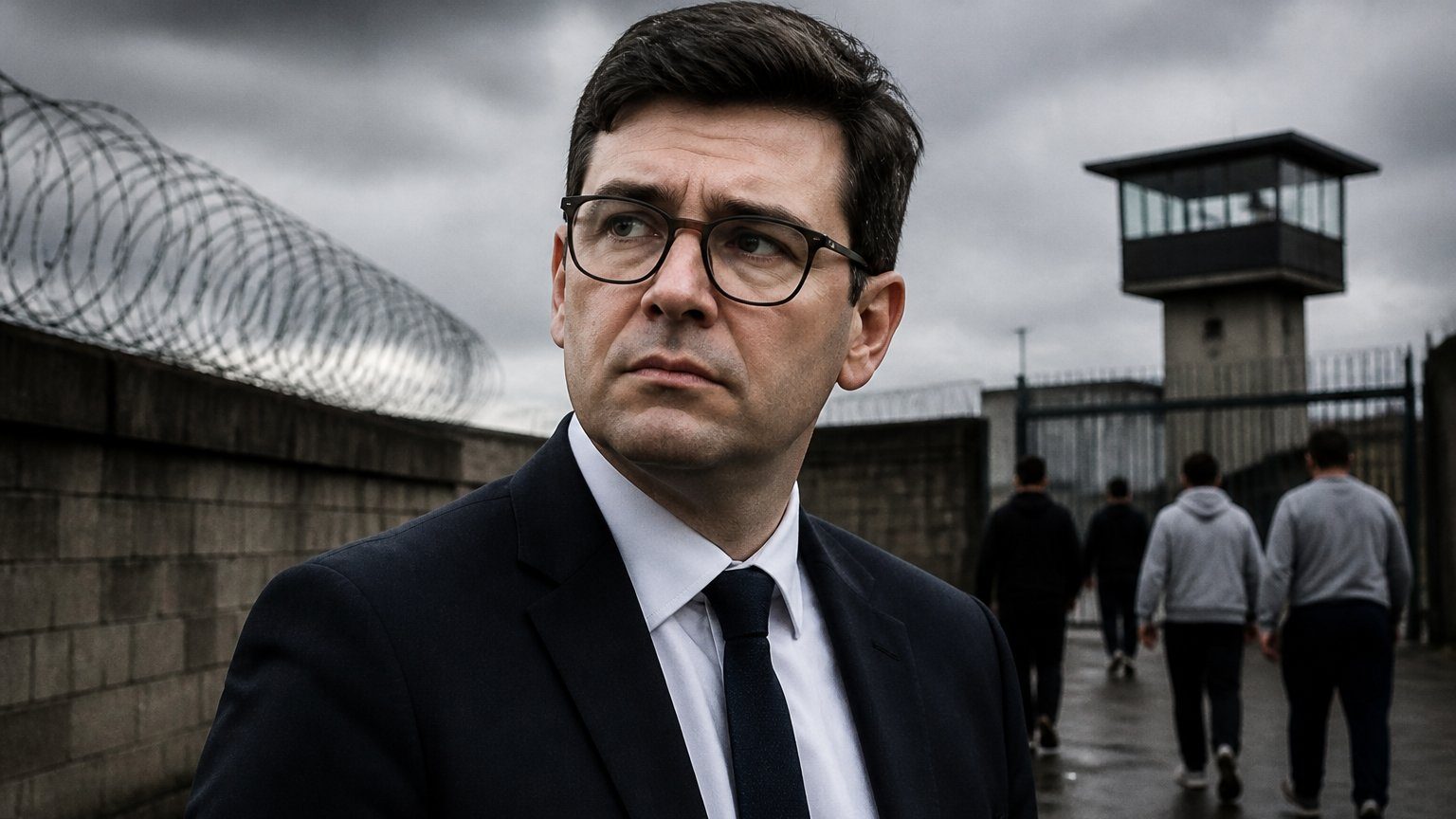
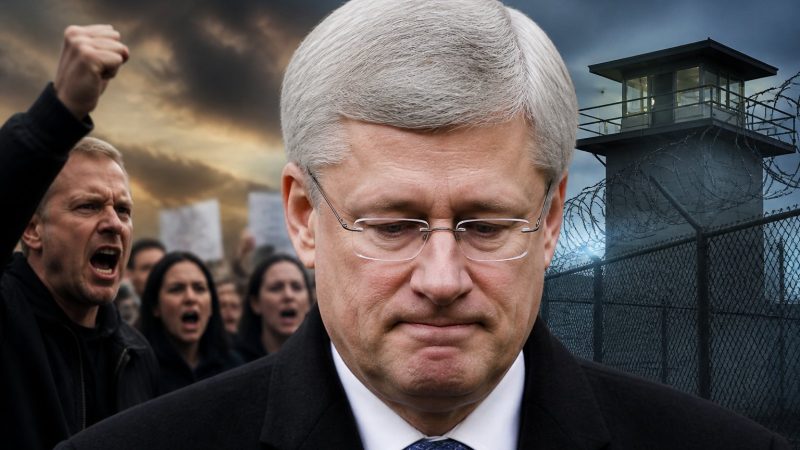
The prisoner release row is Andy Burnham’s first major test as prime minister, forcing him to choose between prison pressure and public backlash.
The prisoner release row is Andy Burnham’s first major test as prime minister, and it has exposed the hard choices now facing his government. Three weeks into his premiership, the dispute over early release for some prisoners has given his critics an opening while forcing Labour to defend a policy that many inside the party see as deeply uncomfortable.
Conservative Shadow Home Secretary Chris Philp said Burnham had made the most important decision of his time in office and got it wrong. Conservatives are arguing that the government has left dangerous offenders within the scope of early release, even after Burnham ordered a review of the plan. Labour, by contrast, is portraying the move as evidence that the new prime minister is willing to confront problems directly rather than avoid them.
Burnham’s first two weeks in Downing Street had been relatively smooth. His team rolled out measures including a cap on bus fares and plans to overhaul social care, while he used social media to present himself as a calmer leader focused on everyday concerns. The prisoner release row, by contrast, has put him on terrain where no choice is easy and every option carries political risk.
The crisis did not begin with Burnham. In 2023, when prison space was close to running out, the last Conservative government began releasing prisoners 18 days early as a temporary fix. That approach did not solve the wider overcrowding problem. After Sir Keir Starmer became prime minister in July 2024, his government went further, with Starmer saying it was shocking for the country to have too many prisoners and not enough prison places.
“The prisoner release row is Andy Burnham’s first major test as prime minister, forcing him to choose between prison pressure and public backlash.”
In January, Starmer’s government passed the Sentencing Act, which is set to allow several thousand prisoners to be released early starting this autumn, including some convicted of very serious crimes. Burnham responded with a review soon after taking office, and then narrowed the list of prisoners excluded from early release. Rapists and child sex offenders were taken out of the scheme, but other categories remained covered.
Burnham said he wanted to go further, but had pushed as far as possible. That admission did not satisfy his opponents. Philp said the Labour government had made mistake after mistake and claimed the revised plan still leaves open the early release of people convicted in grooming-related cases and some killers, including those connected to the death of PC Andrew Harper. The Conservatives have also pointed to the families affected, using the issue to frame Labour as soft on serious crime.
The pressure intensified when Burnham’s spokesperson said he had personally intervened this week to determine how many people convicted of grooming-related offences might still be due for early release. That followed an open letter from Conservative leader Kemi Badenoch, who has already shown she can force Labour leaders into awkward policy shifts. The Tories now appear ready to keep pressing when Parliament returns in September, with a particular focus on any Commons debate that could put Labour MPs in a difficult position.
Inside Labour, reaction has been more guarded but not openly hostile. One MP described Burnham as inheriting a full prisons system and said the issue is part of the job of being prime minister. Another said he has long shown a willingness to speak directly to victims, while a more left-leaning MP said the party still feels optimistic under his leadership despite the row. For Burnham, the prisoner release row matters because it shows how quickly a new leader can be tested on law, order and political judgment — and it will shape how Americans, too, think about the cost of prison overcrowding, public safety, and the choices governments make when they run out of room.
Frequently asked questions
Why is the prisoner release row so politically important for Burnham?
It is one of his first major decisions in office, and opponents are using it to question his judgment early in his premiership.
What changes did Burnham make to the early release plan?
He removed rapists and child sex offenders from the scheme after ordering a review, but other categories remained eligible.
How did the prison overcrowding problem start?
The issue predates Burnham. The last Conservative government began releasing prisoners 18 days early in 2023 as a temporary measure, and Starmer’s government later expanded the approach.
What are the Conservatives planning next?
They want to keep up the pressure when Parliament returns in September and may push for debate in the Commons.
We value your privacy 🍪We use cookies for essential features and, if you allow it, to send you a notification whenever we publish a new story. See our Privacy Policy.
📨
Never Miss a Story
Get the headlines that matter delivered straight to your inbox.
📱 On iPhone: tap the Share icon, choose “Add to Home Screen”, then open TheTrueDefender from your Home Screen and tap 🔔 to turn on notifications. (Apple only allows notifications for saved web apps.)
🔔
Never miss a breaking storyGet free alerts the moment big US news breaks.
1Tap the ••• menu at the bottom of the screen, then tap Share(in Safari, just tap Share in the bottom bar directly)2Scroll down the menu and tap Add to Home Screen3Tap Add in the top-right corner4Open TheTrueDefender from your Home Screen, then tap 🔔 Subscribe and choose Allow
📱 Add TheTrueDefender to your home screen for one-tap access.