Spanish police and Europol say 78 people were arrested in a major smuggling network that moved drugs, migrants and weapons across the western Mediterranean.
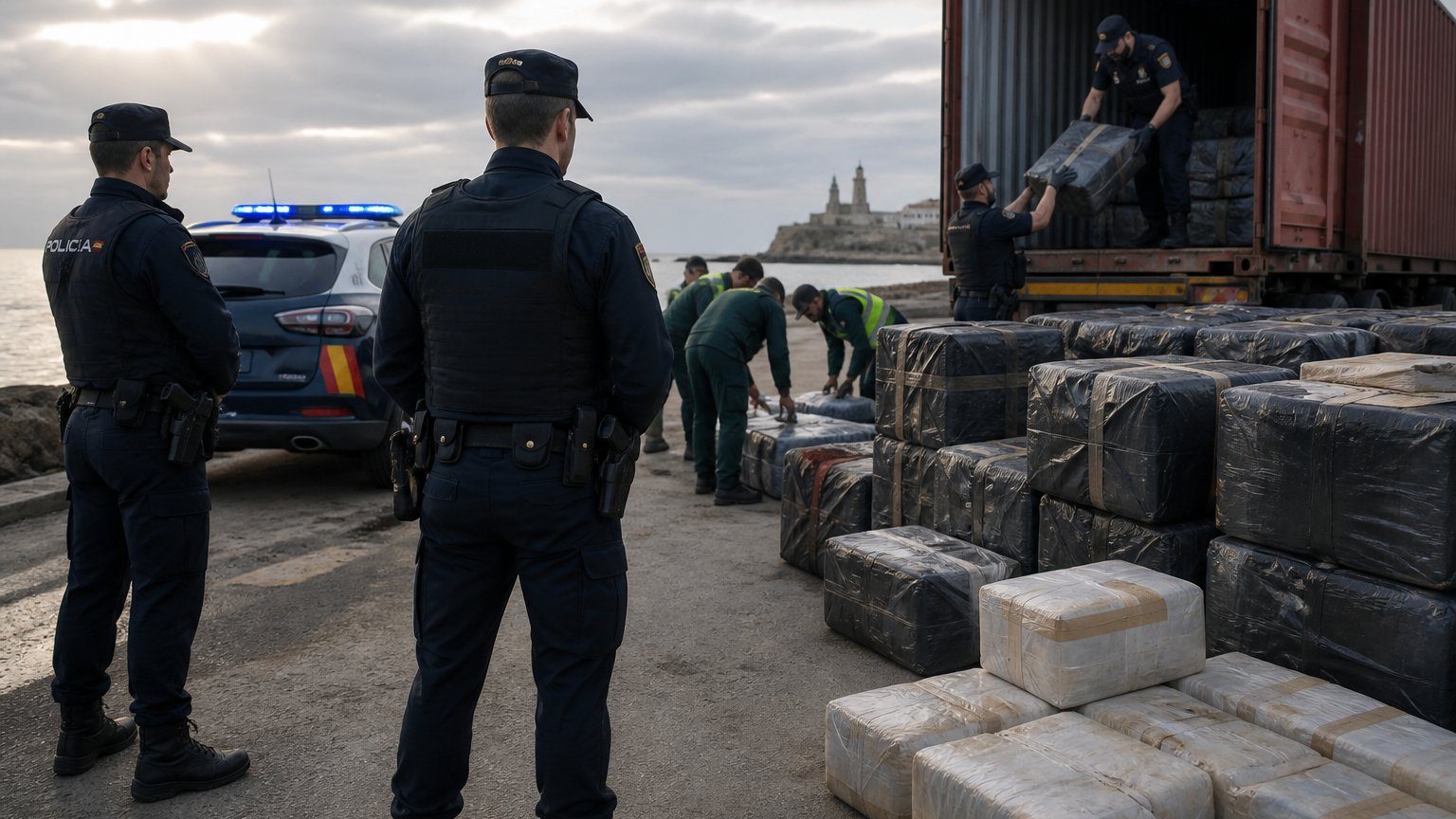
Spanish police have dismantled what Europol described as one of the largest smuggling networks operating across the western Mediterranean, arresting 78 people in Spain and Algeria in a major cross-border operation. The Spanish police bust targeted a group accused of moving synthetic drugs out of Spain and Portugal and then using the return route to smuggle migrants and weapons back toward Spain.
Authorities said the network ran a wide range of criminal activity beyond trafficking. Europol linked the group to violent robberies, extortion, illegal detentions and money laundering. Officers seized 18 high-speed vessels worth €5 million, along with guns, more than €25,000 in cash and 15,000 MDMA pills. Searches were carried out at 17 locations in Spain, including Alicante, Almería, Cartagena and Murcia.
Europol said the organization had grown from a drug-trafficking ring into what it called a dual-flow criminal enterprise built to squeeze profit from both directions of the route. The group allegedly moved synthetic drugs, including MDMA, as well as firearms and explosives from Spain and Portugal to Algeria. On the trip back, it reportedly smuggled migrants and weapons to the Spanish mainland and the island of Ibiza using so-called ghost speedboats.
Officials said the smugglers relied on fast boats and international waters near the Spanish coast to transfer cargo and people before arranging land transport. Europol said the migrants were often packed into overcrowded vessels without lights or life jackets and sometimes sent out in severe weather. Investigators also believe suspects carried out sexual assaults, physical abuse and held migrants in degrading conditions in makeshift housing.
“Spanish police and Europol say 78 people were arrested in a major smuggling network that moved drugs, migrants and weapons across the western Mediterranean.”
The police operation also uncovered satellite phones, GPS devices, encrypted communication tools and satellite dishes, underscoring how organized and mobile the network had become. Europol said the suspects were mostly of Algerian origin and had links to criminal groups in France, Belgium, Portugal, Italy and Poland, suggesting the case reached well beyond one country’s borders.
Europol said the group also served other organized crime outfits by helping move illicit goods and people across the western Mediterranean. Investigators said the network coordinated several trafficking streams at once, including synthetic drugs and sometimes people from France and Spain to Algeria, while cannabis resin, weapons and migrants moved from Algeria to Spain.
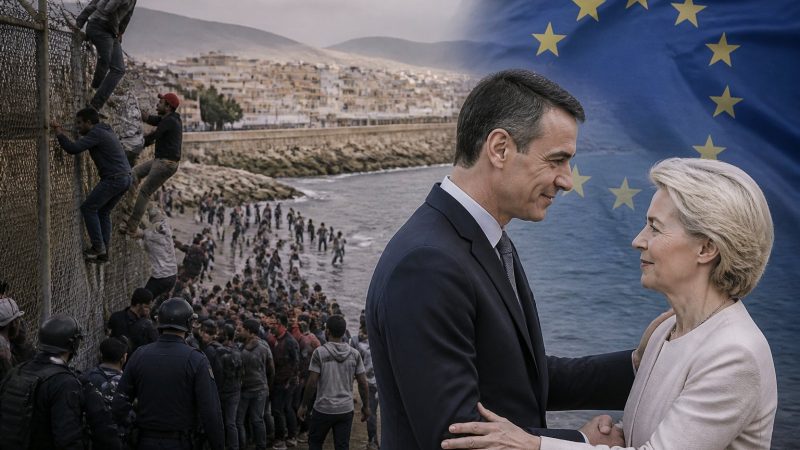
The case comes as Spain continues to grapple with pressure on its southern routes, especially in areas tied to North Africa. A week earlier, roughly 78,000 migrants fled into Spain’s North African territory of Ceuta after online rumors spread about an open border. Most later returned to Morocco, though between 3,000 and 5,000 remained in the territory. The Spanish police bust shows how fast-moving criminal networks can exploit vulnerable routes, and why cross-border enforcement remains a central issue for Spain and its European partners.
Frequently asked questions
What did Spanish police and Europol say they dismantled?
They said they broke up one of the largest smuggling networks in the western Mediterranean. The group allegedly moved drugs, migrants and weapons across routes linking Spain, Algeria and other countries.
How many people were arrested?
Authorities said 78 people were arrested in Spain and Algeria. The arrests came after searches at 17 locations in Spain.
What was seized in the operation?
Officials said they seized 18 high-speed vessels, guns, more than €25,000 in cash and 15,000 MDMA pills. They also recovered satellite phones, GPS devices and encrypted communication tools.
Why does this case matter beyond Spain?
Europol said the network had links to criminal groups in several European countries and helped move illicit goods across the western Mediterranean. That makes it a wider border-security issue, not just a local police case.
We value your privacy 🍪We use cookies for essential features and, if you allow it, to send you a notification whenever we publish a new story. See our Privacy Policy.
📨
Never Miss a Story
Get the headlines that matter delivered straight to your inbox.
📱 On iPhone: tap the Share icon, choose “Add to Home Screen”, then open TheTrueDefender from your Home Screen and tap 🔔 to turn on notifications. (Apple only allows notifications for saved web apps.)
🔔
Never miss a breaking storyGet free alerts the moment big US news breaks.
1Tap the ••• menu at the bottom of the screen, then tap Share(in Safari, just tap Share in the bottom bar directly)2Scroll down the menu and tap Add to Home Screen3Tap Add in the top-right corner4Open TheTrueDefender from your Home Screen, then tap 🔔 Subscribe and choose Allow
📱 Add TheTrueDefender to your home screen for one-tap access.